What distinctive architectural features set the Lluc monastery apart on the island?
- Lluc monastery
- Serra de tramuntana
- Gothic renaissance
- Baroque altar
- Mallorcan limestone
- Ma-10 road
- Pilgrimage site
- Mallorca architecture
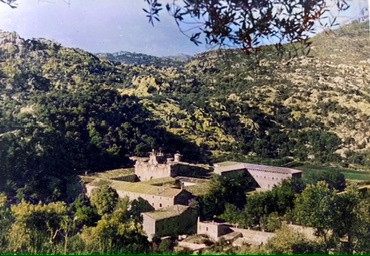
Visitors walking through the peaceful valley of the Serra de Tramuntana might first notice the monastery's rugged stone walls, built from local Mallorcan limestone, which blend seamlessly with the surrounding mountain landscape. The Monestir de Lluc is distinguished by its combination of Gothic and Renaissance elements, a design heritage reflecting centuries of enhancements since its foundation. The plain, fortress-like exterior contrasts with the richly decorated interior chapel, where you can find a prominent Baroque altar that draws the eye with its intricate woodwork and gilded details. This mixture of styles highlights the monastery’s evolution and the layered history embedded within its quiet walls.
The monastery’s cloister is a notable architectural feature in itself—serene and spacious, it features elegant arches framing central gardens where olive and fig trees grow, typical of the Balearic countryside. The symmetry and proportion here foster a contemplative atmosphere, echoing the monastic commitment to solitude and prayer. Throughout the monastery, traditional tiles and wrought iron details add a distinctly local touch, while the use of native materials like stone and ceramics ties the structure firmly to the island’s artisan traditions.
Not just an architectural treasure, Lluc’s history as a pilgrimage site enriches its character, with religious iconography and murals telling countless stories spanning centuries. The blend of fortification and sacred space echoes the island’s historical need for protection alongside devotion. For those journeying along the winding Ma-10 road or exploring the Tramuntana’s trails, the monastery offers a rare glimpse into Mallorca’s spiritual and cultural tapestry, where every arch and fresco invites reflection on island life, faith, and art.