What other historical sites in Palma are linked to the Arab Baths?
Similar Topics
Palma historical sites
Arab Baths Palma
Almudaina Palace
Moorish architecture
Basilica de Sant Francesc
Jewish Quarter Palma
La Calatrava
Palma old town
Gothic and Baroque styles
cultural heritage of Palma
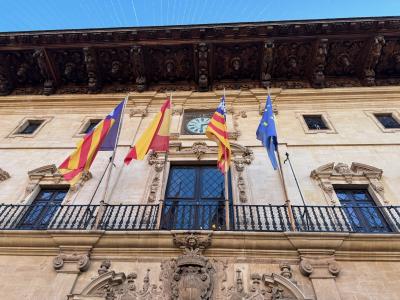
In Palma, the Arab Baths are a fascinating glimpse into the city's Moorish past, but there are several other historical sites nearby that also reflect this rich heritage. One notable location is the Almudaina Palace, a stunning example of Gothic architecture that was originally a Muslim fort. As you explore its grounds, you'll find remnants of its Islamic roots, as the palace was built on the site of a former Moorish castle. The blend of Moorish and Christian influences in the structure and its gardens provides a deeper understanding of Palma's layered history.
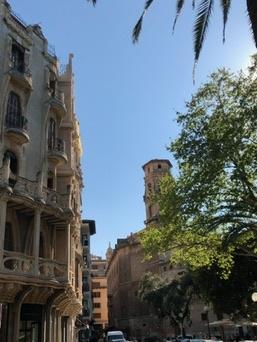
Another significant site is the nearby Basilica de Sant Francesc, which showcases a mix of Gothic and Baroque styles. While not directly Islamic in design, the church stands as a testament to the cultural shifts that occurred after the Reconquista. The nearby streets also echo the city's Moorish past, with winding alleys and architecture that reflects the influence of Arabic design. As you wander through the old town, take a moment to appreciate how these sites interconnect, telling the story of Palma's transformation over centuries.
Lastly, the historic Jewish Quarter, known as La Calatrava, is worth a visit. This area, with its narrow streets and charming architecture, was once home to a vibrant Jewish community that coexisted with the Moors. Exploring this quarter allows you to appreciate the diversity of Palma's historical tapestry, where the legacies of different cultures intermingle. Together, these sites create a rich narrative that enhances your visit to the Arab Baths, offering a more comprehensive view of Palma's historical landscape.
Another significant site is the nearby Basilica de Sant Francesc, which showcases a mix of Gothic and Baroque styles. While not directly Islamic in design, the church stands as a testament to the cultural shifts that occurred after the Reconquista. The nearby streets also echo the city's Moorish past, with winding alleys and architecture that reflects the influence of Arabic design. As you wander through the old town, take a moment to appreciate how these sites interconnect, telling the story of Palma's transformation over centuries.
Lastly, the historic Jewish Quarter, known as La Calatrava, is worth a visit. This area, with its narrow streets and charming architecture, was once home to a vibrant Jewish community that coexisted with the Moors. Exploring this quarter allows you to appreciate the diversity of Palma's historical tapestry, where the legacies of different cultures intermingle. Together, these sites create a rich narrative that enhances your visit to the Arab Baths, offering a more comprehensive view of Palma's historical landscape.
Palma
More Fotos