What distinctive architectural styles and landmarks should I look for in Mallorca's historic towns?
Similar Topics
mallorca architecture
palma la seu
tramuntana towns
alcudia old town
pollenca churches
valldemossa cottages
historic landmarks
mallorca stone houses
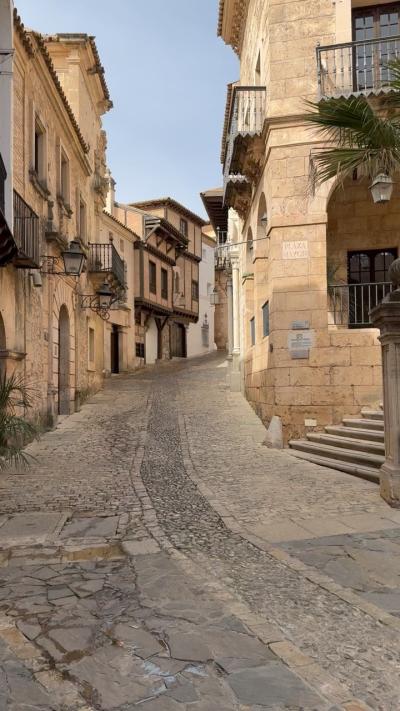
Exploring the historic towns scattered across the island reveals a captivating blend of architectural influences that mirror its complex past. In Palma, the Gothic splendor of La Seu cathedral dominates the skyline, its soaring arches and intricate stonework contrasting beautifully with modernist touches sprinkled throughout the old town. Moving outwards, towns like Valldemossa and Deià offer charming stone cottages with terracotta roofs nestled against the Tramuntana mountains, showcasing traditional Mallorcan craftsmanship and rustic simplicity.
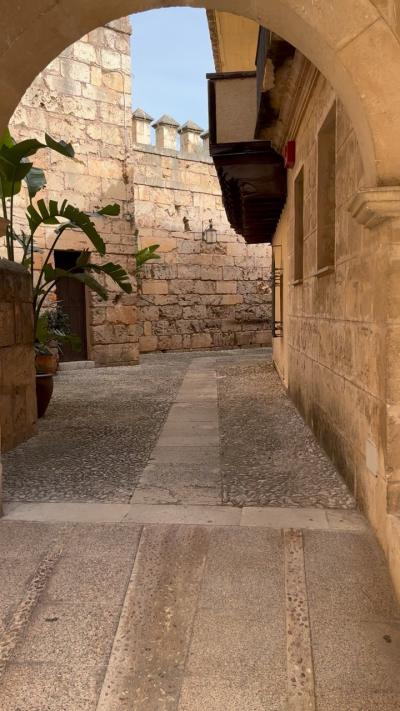
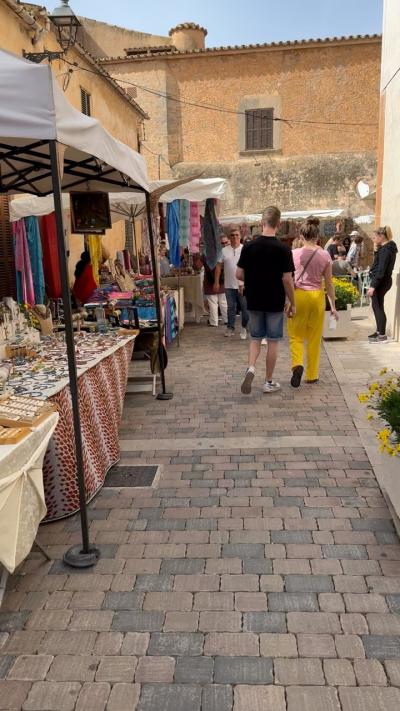
Further north, Alcúdia’s walled old town invites visitors to stroll along medieval streets lined with brightly painted shutters and ancient city gates, while Pollenca’s baroque-style churches hint at the town’s deep-rooted religious heritage. Architectural nuances such as forged iron balconies, colorful azulejo tiles, and wooden shutters are common throughout, often paired with the unmistakable warmth of local stone and lime plaster.
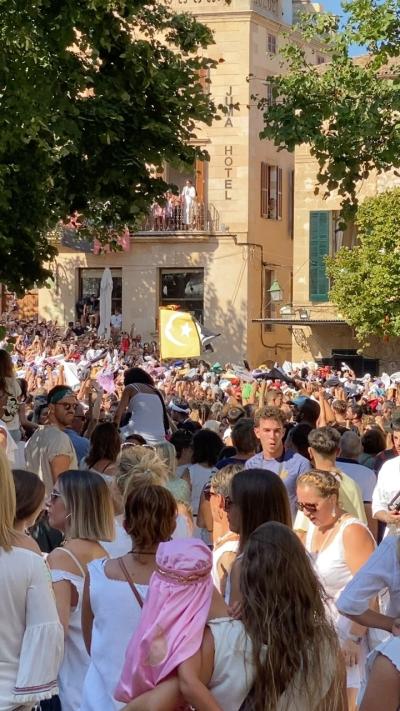
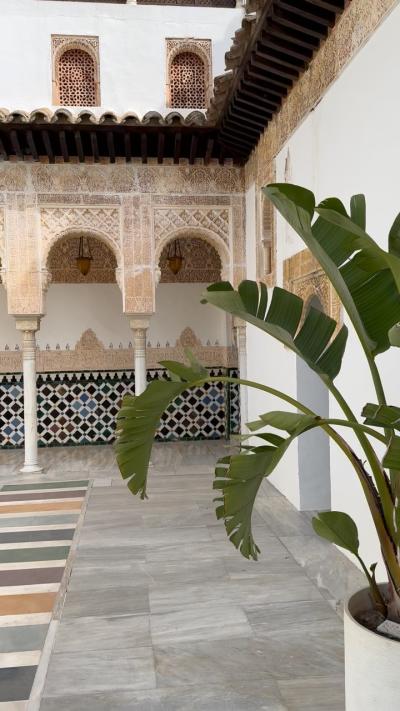
Beyond residential buildings, landmarks like the Sant Francesc monastery in Palma and the Arab baths in the city offer glimpses into the island’s diverse cultural layers, from Christian to Moorish influences. Public squares in towns like Sóller buzz with life, surrounded by historic façades that seamlessly incorporate outdoor cafés and markets. The balance of preservation and everyday use makes the architecture here not just a feast for the eyes but a living, breathing part of island life.
Further north, Alcúdia’s walled old town invites visitors to stroll along medieval streets lined with brightly painted shutters and ancient city gates, while Pollenca’s baroque-style churches hint at the town’s deep-rooted religious heritage. Architectural nuances such as forged iron balconies, colorful azulejo tiles, and wooden shutters are common throughout, often paired with the unmistakable warmth of local stone and lime plaster.
Beyond residential buildings, landmarks like the Sant Francesc monastery in Palma and the Arab baths in the city offer glimpses into the island’s diverse cultural layers, from Christian to Moorish influences. Public squares in towns like Sóller buzz with life, surrounded by historic façades that seamlessly incorporate outdoor cafés and markets. The balance of preservation and everyday use makes the architecture here not just a feast for the eyes but a living, breathing part of island life.
More Fotos