Where can I see native wildlife in natural settings around Mallorca?
Similar Topics
mallorca wildlife
serra de tramuntana
natural parks mallorca
mallorca birdwatching
cala mondrago
albufera natural park
wildlife trails mallorca
wildlife observation
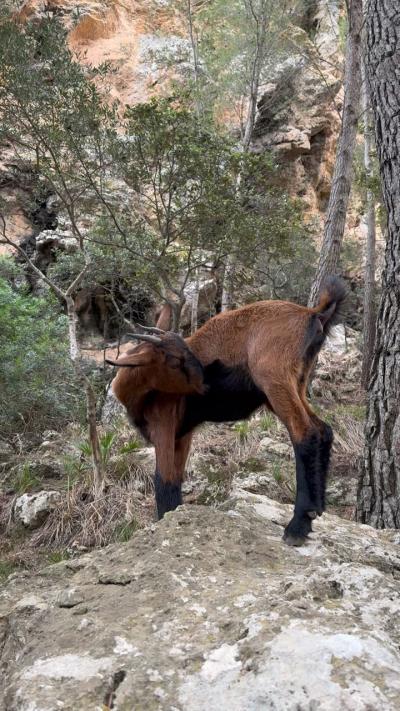
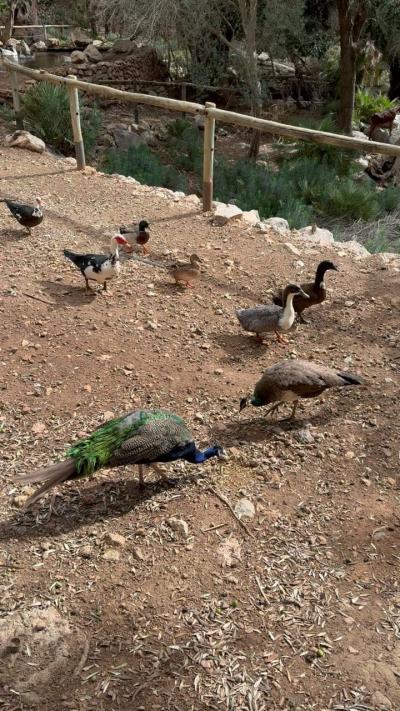
Exploring beyond the bustling towns and sun-drenched beaches of the island, you’ll find pockets of wild beauty that shelter Mallorca’s native creatures. The Serra de Tramuntana, with its rugged mountains and dense forests, offers some of the best chances to spot local wildlife. Keep an eye out for the endemic Balearic wall lizard sunning itself on warm rocks or listen for the calls of the black vulture soaring overhead. Dawn and dusk are the best times for wildlife watching, when animals like the elusive genets or wild goats become more active.
Areas such as the coastal nature reserves around Cala Mondrago and the salt flats near Ses Salines also provide critical habitats for bird species, including flamingos and migratory shorebirds. Inland, in spots like S’Albufera Natural Park near Alcudia, freshwater marshes host frogs, dragonflies, and a variety of waterfowl. Wander along the well-marked trails of these protected zones to enjoy these encounters quietly and respectfully.
If you want to delve deeper into local fauna, guided walks or educational programs often operate in these nature areas, particularly around the Tramuntana and the north coast. They help uncover the island’s ecological richness while promoting conservation. Remember to keep a respectful distance, avoid disturbing habitats, and stick to designated paths, ensuring that this delicate wildlife remains undisturbed for future visitors to enjoy.
Areas such as the coastal nature reserves around Cala Mondrago and the salt flats near Ses Salines also provide critical habitats for bird species, including flamingos and migratory shorebirds. Inland, in spots like S’Albufera Natural Park near Alcudia, freshwater marshes host frogs, dragonflies, and a variety of waterfowl. Wander along the well-marked trails of these protected zones to enjoy these encounters quietly and respectfully.
If you want to delve deeper into local fauna, guided walks or educational programs often operate in these nature areas, particularly around the Tramuntana and the north coast. They help uncover the island’s ecological richness while promoting conservation. Remember to keep a respectful distance, avoid disturbing habitats, and stick to designated paths, ensuring that this delicate wildlife remains undisturbed for future visitors to enjoy.

More Fotos