How do local farmers on Mallorca cultivate and care for their citrus groves?
Similar Topics
citrus groves mallorca
local farmers
citrus tree care
integrated pest management
organic farming mallorca
fruit harvesting
pruning citrus trees
mediterranean agriculture
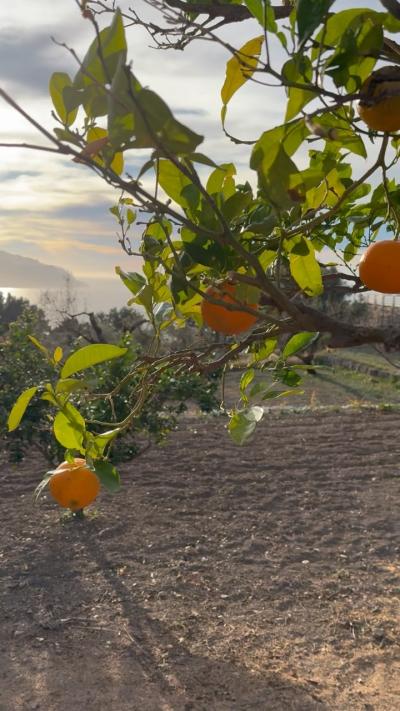
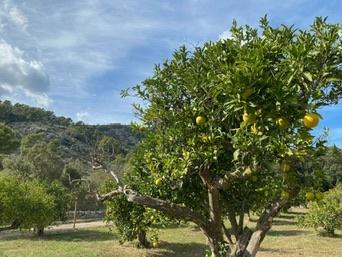
In the rural area around Manacor, citrus groves are tended with a mix of time-honored techniques and careful modern care. Typical varieties include oranges and lemons well suited to the island’s Mediterranean climate. Farmers usually graft sturdy seedlings to encourage strong, disease-resistant trees that thrive on Mallorca's calcareous soil. Young trees are carefully watered, particularly in the dry summer months, and mulched to preserve moisture and control weeds.
As they mature, the groves require close observation for pests such as aphids or mites. Many growers use integrated pest management, encouraging natural predators while minimizing chemical treatments. Nutrient-rich compost—often local olive or vineyard byproduct—is added along with balanced fertilizers timed to support flowering and fruit set. This attentive care ensures healthy, vibrant trees that produce abundant, flavorful citrus.
Pruning is another key practice, shaping branches to improve airflow and sunlight exposure, which helps reduce disease and boosts fruit quality. Harvest is a hands-on affair, with farmers selecting only the ripest fruit by hand—whether for local markets, the palma urban food scene, or artisanal preserves. This blend of tradition and precision is what keeps Mallorca’s citrus prized both on the island and beyond.
As they mature, the groves require close observation for pests such as aphids or mites. Many growers use integrated pest management, encouraging natural predators while minimizing chemical treatments. Nutrient-rich compost—often local olive or vineyard byproduct—is added along with balanced fertilizers timed to support flowering and fruit set. This attentive care ensures healthy, vibrant trees that produce abundant, flavorful citrus.
Pruning is another key practice, shaping branches to improve airflow and sunlight exposure, which helps reduce disease and boosts fruit quality. Harvest is a hands-on affair, with farmers selecting only the ripest fruit by hand—whether for local markets, the palma urban food scene, or artisanal preserves. This blend of tradition and precision is what keeps Mallorca’s citrus prized both on the island and beyond.
More Fotos

Related Questions
Related Question
What fun and educational outdoor activities can families with children enjoy beyond museums on Mallorca?
Related Question
Can I find different variations of Paella in different towns across the island?
Related Question
Are there any guided tours that focus specifically on the history of Palma's old town?