What makes sobrassada unique compared to other Mallorcan cured meats?
Similar Topics
sobrassada
mallorca cured meats
pa amb oli
binissalem wine
ensaimada
manacor food
mallorca tapas
tramuntana cuisine
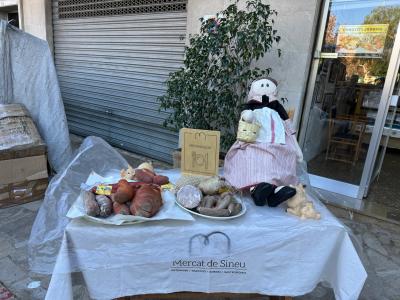
In towns like Manacor and the surrounding countryside, sobrassada is more than just a cured sausage—it's a taste of the island’s heritage. Unlike the firmer textures found in many sausages, sobrassada’s spreadable consistency and vivid red color come from its high paprika content, which gives it a distinctive smoky sweetness. Traditionally made from pork, paprika, salt, and black pepper, it carries a subtle heat and richness that sets it apart from other local charcuterie.
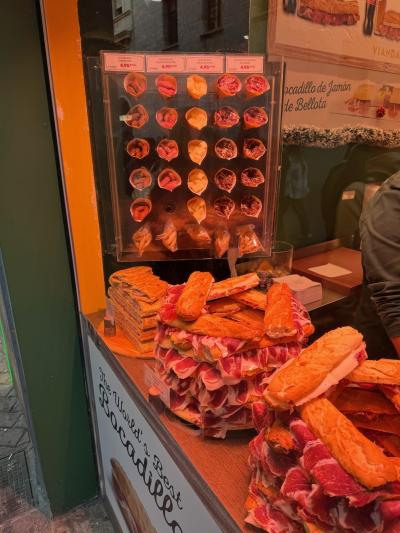
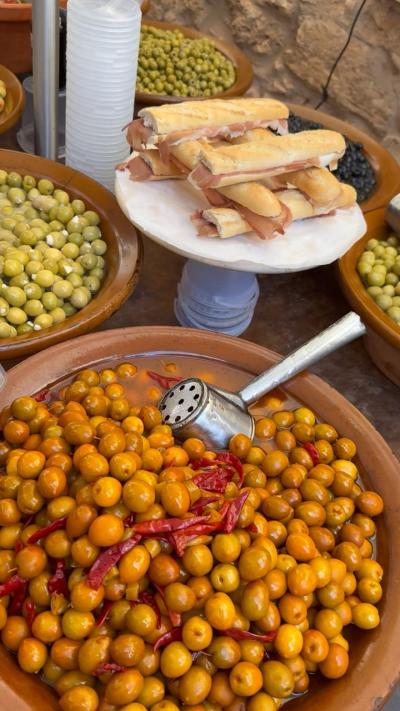
Sobrassada stands alongside other Mallorcan specialties such as camaiot and botifarró, but its forgiving, soft texture invites uses beyond slicing—spread on fresh bread with a drizzle of olive oil or combined with simple ingredients like local honey or figs it becomes a staple of tapas tables from Palma’s old town to rural villages. The curing process, often extending for weeks in natural cellars, deepens the flavor and preserves the sausage, connecting it to the island’s age-old farming traditions.
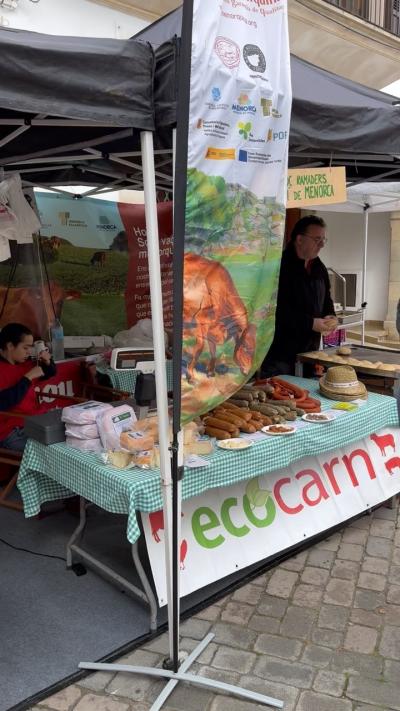
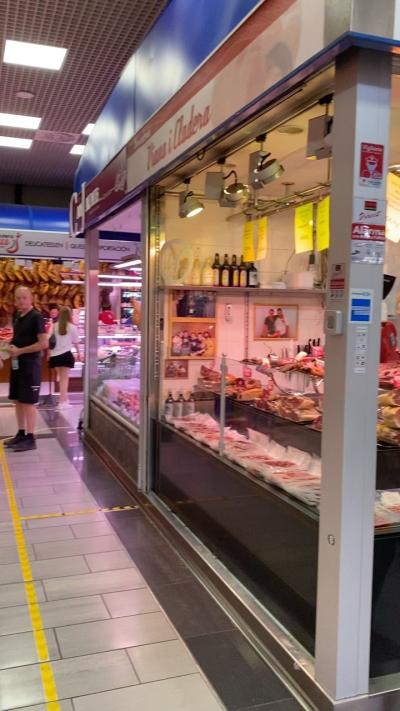
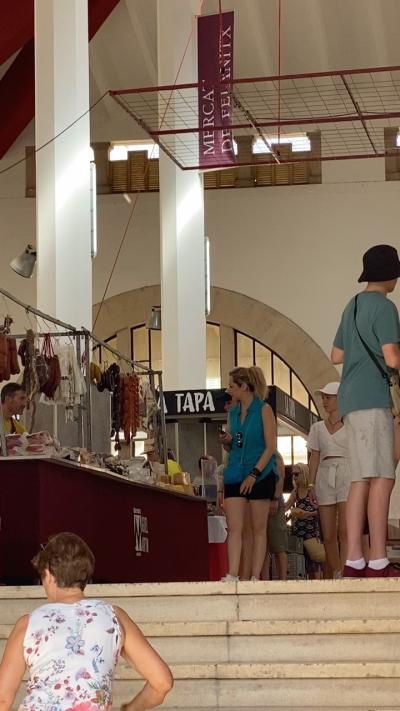
While exploring markets in places like Alcudia or Pollenca, you’ll often find artisanal sobrassada proudly displayed alongside ensaimadas and pa amb oli, each bite a demonstration of Mallorca’s rich culinary landscape. The sausage’s distinctive character, shaped by local spices and preservation methods, reveals why it remains a beloved ingredient in dishes such as tumbet or simply enjoyed with a glass of Binissalem wine or Hierbas after a day on the Ma-10 coast or hiking the Tramuntana.
Sampling sobrassada is not just a culinary experience; it’s a direct connection to Mallorca’s rural past and vibrant present, embodying the island’s tradition of resourceful, flavorful cooking that celebrates every ingredient.
More Fotos