How did the natural landscape of Mallorca shape the building techniques of the Talaiot culture?
Similar Topics
Mallorca landscape
Talaiot culture
building techniques
limestone cliffs
megalithic structures
dry-stone techniques
prehistoric architecture
ancient sites Mallorca
cultural sustainability
strategic settlements
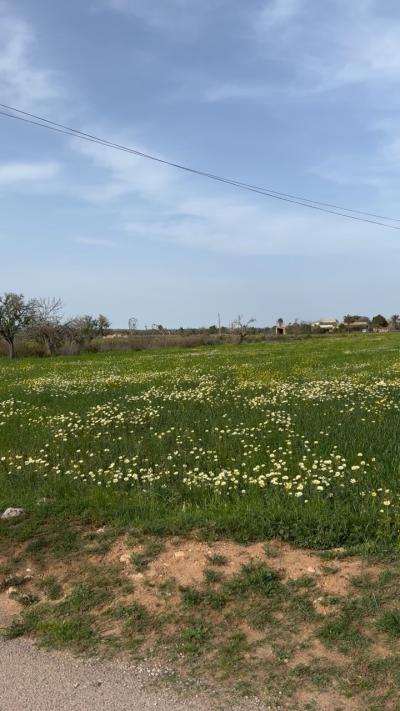
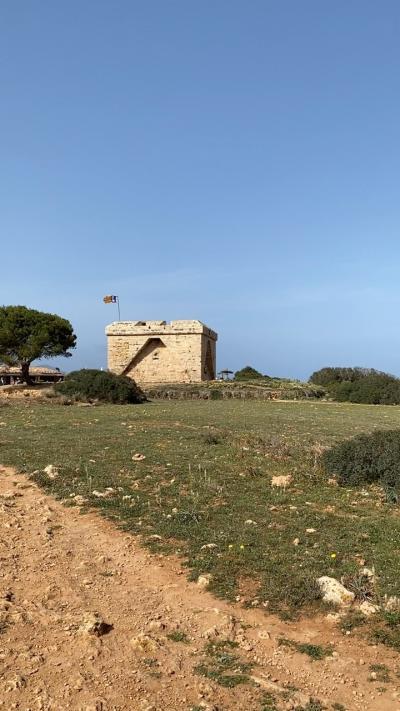
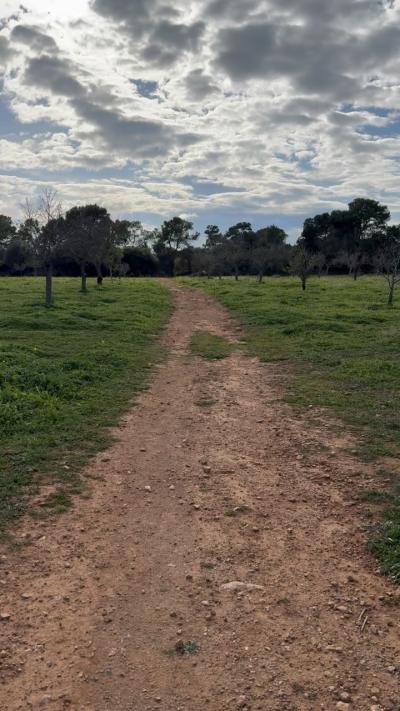
The natural landscape of Mallorca had a profound influence on the building techniques of the Talaiot culture, which thrived on the island during the prehistoric period. The rugged terrain, characterized by limestone cliffs, rolling hills, and abundant natural resources, provided both challenges and opportunities for the Talaiots. The availability of local stone made it an ideal material for construction, allowing the Talaiots to create sturdy structures that would withstand the test of time. They skillfully utilized the island's limestone, which was not only plentiful but also easy to shape, enabling them to build impressive megalithic structures known as talaiots—these were often used for both ceremonial and defensive purposes.
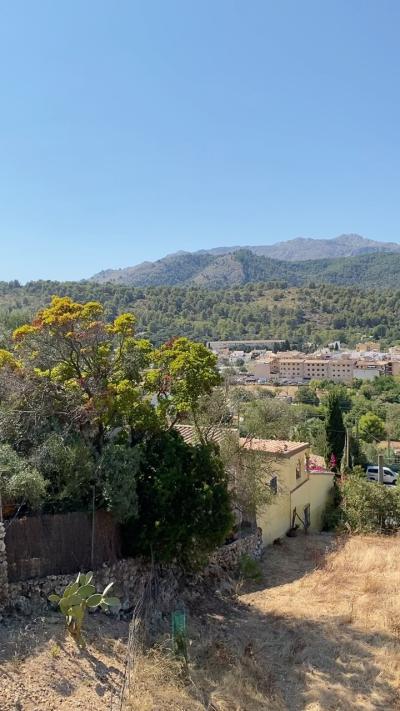
Additionally, the varied topography of Mallorca influenced the strategic placement of these structures. The Talaiots often built their settlements in elevated locations that offered panoramic views of the surrounding landscape, which helped them monitor their territory and protect against potential invaders. The proximity to fertile valleys and water sources further dictated their construction choices, as the Talaiots designed their settlements to benefit from the island's agricultural potential. This harmonious relationship with the environment not only shaped their architectural style but also reflected their understanding of the land's resources and the need for sustainability.
Moreover, the Talaiot culture's use of dry-stone techniques, where stones were meticulously stacked without the use of mortar, was a direct response to the island's seismic activity. This method allowed for flexibility and resilience in their structures, ensuring they could endure the tremors that occasionally rocked the region. As you explore the ancient sites scattered across Mallorca today, such as the impressive talaiots and the mysterious navetas, you can truly appreciate how the island's unique landscape not only shaped the Talaiots' architectural methods but also their way of life, deeply intertwining culture with nature.
Additionally, the varied topography of Mallorca influenced the strategic placement of these structures. The Talaiots often built their settlements in elevated locations that offered panoramic views of the surrounding landscape, which helped them monitor their territory and protect against potential invaders. The proximity to fertile valleys and water sources further dictated their construction choices, as the Talaiots designed their settlements to benefit from the island's agricultural potential. This harmonious relationship with the environment not only shaped their architectural style but also reflected their understanding of the land's resources and the need for sustainability.
Moreover, the Talaiot culture's use of dry-stone techniques, where stones were meticulously stacked without the use of mortar, was a direct response to the island's seismic activity. This method allowed for flexibility and resilience in their structures, ensuring they could endure the tremors that occasionally rocked the region. As you explore the ancient sites scattered across Mallorca today, such as the impressive talaiots and the mysterious navetas, you can truly appreciate how the island's unique landscape not only shaped the Talaiots' architectural methods but also their way of life, deeply intertwining culture with nature.
More Fotos