How do processionary caterpillars affect the pine forests in Mallorca's Serra de Tramuntana?
Similar Topics
pine processionary moth
serra de tramuntana
pine defoliation
mallorca forests
wildlife habitats
hiking risks
processionary caterpillars
ecosystem balance
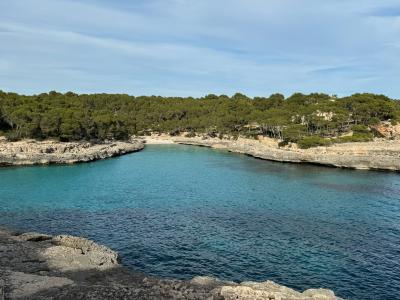
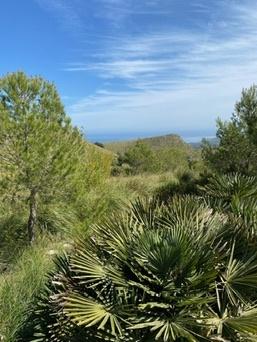
During late winter and early spring, the pine processionary moth caterpillars emerge in the pine forests of the Serra de Tramuntana, notably affecting the island's native Aleppo and black pines. Their distinctive processions, where dozens of caterpillars march in single file, are a curious sight but come at an ecological cost. These caterpillars feed voraciously on pine needles, often leading to significant defoliation. Over time, severe infestations can weaken trees, leaving them vulnerable to diseases and other pests, which challenges the overall health of these forested areas.
This defoliation also has ripple effects on local wildlife. Many birds and small mammals depend on healthy pines in areas around Sóller and Valldemossa for shelter and food, so their habitats may shrink as the trees deteriorate. Additionally, the irritating hairs of the caterpillars can trigger allergic reactions for hikers and pets exploring popular natural spots like the footpaths along the Ma-10 or routes near Formentor. Visitors should be cautious during peak season but don't need to avoid these areas altogether.
Despite these challenges, the processionary moths are part of the island's natural cycles. Once they pupate and emerge as moths, they provide food for insectivorous birds across the Tramuntana. When caterpillars die, their bodies enrich the soil, aiding new plant growth. Awareness and respect for these cycles help maintain the delicate balance within Mallorca's pine ecosystems.
This defoliation also has ripple effects on local wildlife. Many birds and small mammals depend on healthy pines in areas around Sóller and Valldemossa for shelter and food, so their habitats may shrink as the trees deteriorate. Additionally, the irritating hairs of the caterpillars can trigger allergic reactions for hikers and pets exploring popular natural spots like the footpaths along the Ma-10 or routes near Formentor. Visitors should be cautious during peak season but don't need to avoid these areas altogether.
Despite these challenges, the processionary moths are part of the island's natural cycles. Once they pupate and emerge as moths, they provide food for insectivorous birds across the Tramuntana. When caterpillars die, their bodies enrich the soil, aiding new plant growth. Awareness and respect for these cycles help maintain the delicate balance within Mallorca's pine ecosystems.
More Fotos