What traditional dishes should I try when eating out in Mallorca?
Similar Topics
pa amb oli
sobrassada
ensaimada
tumbet
binissalem wine
hierbas liqueur
mallorca seafood
serra de tramuntana
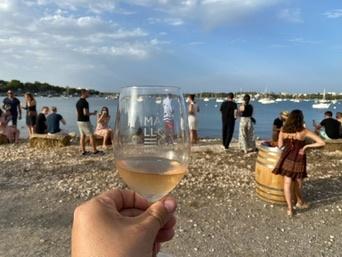
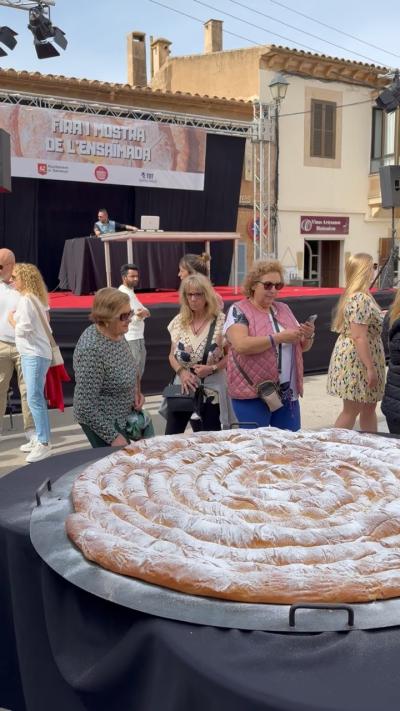
The aroma of freshly baked ensaimadas mingles with the scent of roasting sobrassada in many village kitchens, inviting you to experience Mallorca’s authentic flavors. Sampling pa amb oli—a simple yet satisfying dish of rustic bread rubbed with ripe tomatoes and drizzled with local olive oil—is essential, especially when paired with a glass of Binissalem wine or a shot of herbal Hierbas liqueur. Inland towns like Llucmajor and Manacor are known for hearty versions of tumbet, a vegetable casserole layered with aubergines, potatoes, and red peppers, reflecting the island’s Mediterranean roots.
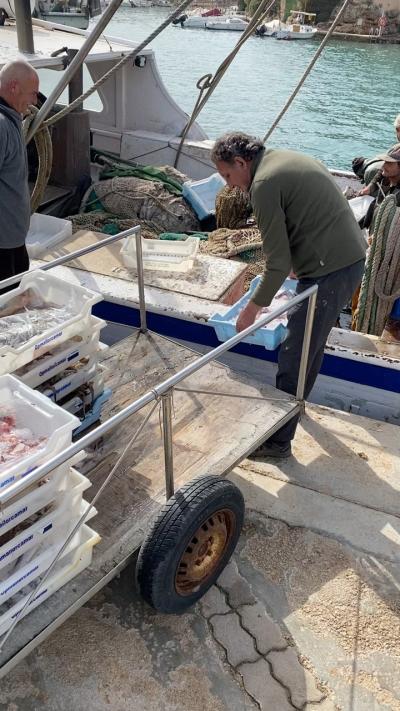
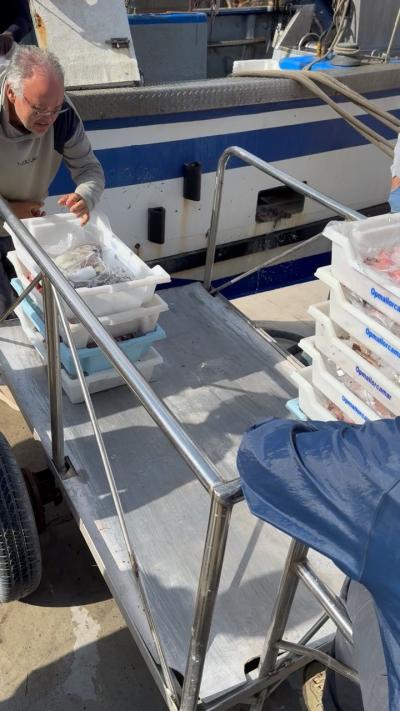
Seafood naturally features heavily along the coast, with freshly caught fish grilled over open flames in Port de Sóller or Calvià taverns. Pulled from the nearby Mediterranean, dishes often boast clean, delicate flavors enhanced by native herbs such as thyme and rosemary. Seasonal produce and locally cured meats also appear prominently; for instance, sobrassada—a soft, spicy pork sausage—adds depth to many dishes and is often enjoyed spread on warm bread.
Engaging with the local culinary tradition means not only tasting the food but also understanding how geography shapes the menu. The island’s diverse landscapes, from the Serra de Tramuntana mountains to the salt flats near Es Trenc beach, influence everything from ingredient availability to preparation methods. Whether sitting in a seaside bistro or a family-run fonda in Valldemossa, you’ll find that Mallorca’s gastronomy is a delicious gateway to its rich culture and history.
Seafood naturally features heavily along the coast, with freshly caught fish grilled over open flames in Port de Sóller or Calvià taverns. Pulled from the nearby Mediterranean, dishes often boast clean, delicate flavors enhanced by native herbs such as thyme and rosemary. Seasonal produce and locally cured meats also appear prominently; for instance, sobrassada—a soft, spicy pork sausage—adds depth to many dishes and is often enjoyed spread on warm bread.
Engaging with the local culinary tradition means not only tasting the food but also understanding how geography shapes the menu. The island’s diverse landscapes, from the Serra de Tramuntana mountains to the salt flats near Es Trenc beach, influence everything from ingredient availability to preparation methods. Whether sitting in a seaside bistro or a family-run fonda in Valldemossa, you’ll find that Mallorca’s gastronomy is a delicious gateway to its rich culture and history.
More Fotos