How has the architecture in Pollença evolved over the centuries?
Similar Topics
Pollença architecture
Mallorca history
baroque architecture
Gothic design
Neoclassical elements
historic preservation
modern architecture Mallorca
town layout
architectural evolution
cultural influences in architecture
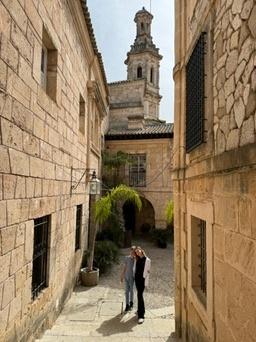
The architecture in Pollença, a charming town located in the northern part of Mallorca, reflects a rich tapestry of influences that have evolved over the centuries. Originally, the area was inhabited by the Romans, whose practical designs laid the groundwork for future structures. As you stroll through the narrow streets of Pollença, you can see remnants of these early influences, particularly in the layout of the town and the stonework that still characterizes many buildings today.
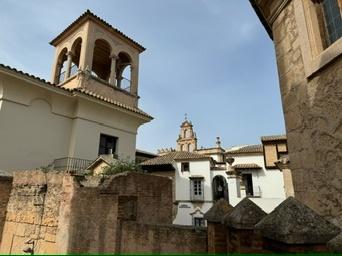
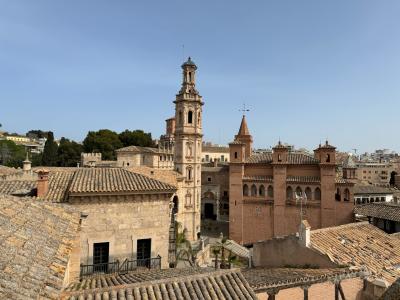
During the Middle Ages, Pollença experienced significant growth, leading to the construction of more elaborate structures. The iconic Church of Our Lady of the Angels, with its stunning baroque façade and impressive bell tower, is a testament to this period. The church, built in the 18th century, showcases an intricate blend of styles, including Gothic and Neoclassical elements, which were prevalent in the region at the time. The town’s architecture continued to evolve during the 19th century, when local merchants and landowners began to build grander homes and estates, reflecting the wealth generated from agriculture and trade.
In more recent times, Pollença has embraced modern architectural trends while preserving its historical character. Contemporary buildings often incorporate traditional Mallorcan materials, such as local stone and wood, seamlessly blending the old with the new. The town's commitment to maintaining its architectural heritage is evident in the careful restoration of historic sites and the thoughtful design of new constructions. As visitors wander through Pollença, they can appreciate how the town's architecture tells a story of resilience and adaptation, making it a captivating destination for those interested in history and design.
During the Middle Ages, Pollença experienced significant growth, leading to the construction of more elaborate structures. The iconic Church of Our Lady of the Angels, with its stunning baroque façade and impressive bell tower, is a testament to this period. The church, built in the 18th century, showcases an intricate blend of styles, including Gothic and Neoclassical elements, which were prevalent in the region at the time. The town’s architecture continued to evolve during the 19th century, when local merchants and landowners began to build grander homes and estates, reflecting the wealth generated from agriculture and trade.
In more recent times, Pollença has embraced modern architectural trends while preserving its historical character. Contemporary buildings often incorporate traditional Mallorcan materials, such as local stone and wood, seamlessly blending the old with the new. The town's commitment to maintaining its architectural heritage is evident in the careful restoration of historic sites and the thoughtful design of new constructions. As visitors wander through Pollença, they can appreciate how the town's architecture tells a story of resilience and adaptation, making it a captivating destination for those interested in history and design.
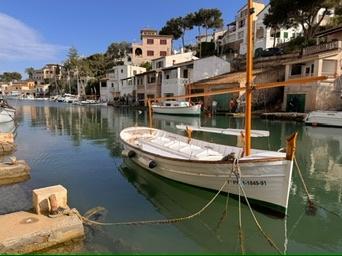
Cala Figuera
More Fotos