How do the different regions of Mallorca vary in terms of vegetation due to the climate?
Similar Topics
Mallorca vegetation
Mallorca climate
Tramuntana mountain range
Mediterranean scrubland
Mallorca hiking
Mallorca beaches
Mallorca natural beauty
Mallorca agriculture
Mediterranean flora
Mallorca tourism
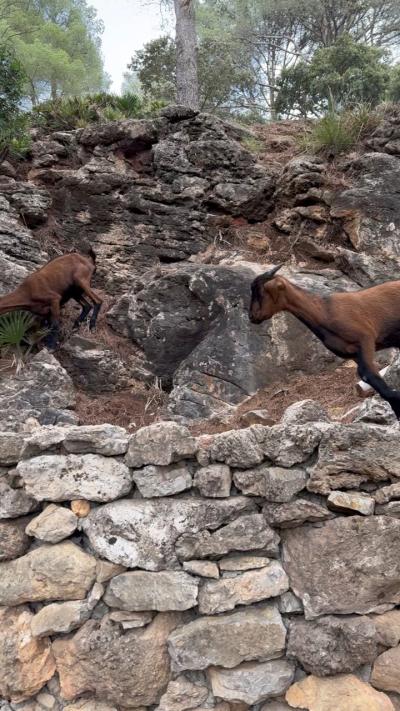
Mallorca is a stunning island in the Mediterranean, and its diverse climate significantly influences the variety of vegetation found across its different regions. In the northern part of the island, characterized by the rugged Tramuntana mountain range, you'll encounter lush, green landscapes filled with dense forests of holm oak and pine trees. The higher altitudes here create a cooler, wetter climate, allowing for a rich undergrowth of ferns and wildflowers that bloom vibrantly in spring. This region is a haven for hikers and nature lovers, offering breathtaking views and a chance to experience Mallorca's more untouched, natural beauty.
As you move southward towards the coast, the climate becomes warmer and drier, leading to a different type of vegetation. The central plains are dominated by Mediterranean scrubland, with hardy plants like rosemary, thyme, and lavender thriving in the sun-drenched landscape. This area is also known for its agricultural activities, with fields of almond trees and olive groves dotting the countryside, especially beautiful when in bloom. The gentle slopes and rolling hills here provide a picturesque backdrop for traditional farmhouses and charming villages, making it a delightful region to explore.
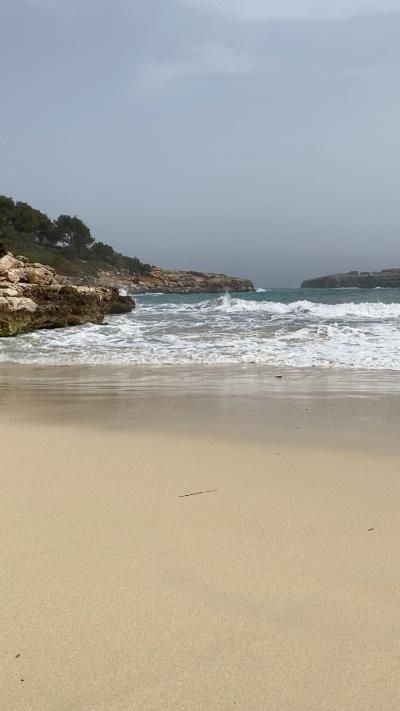
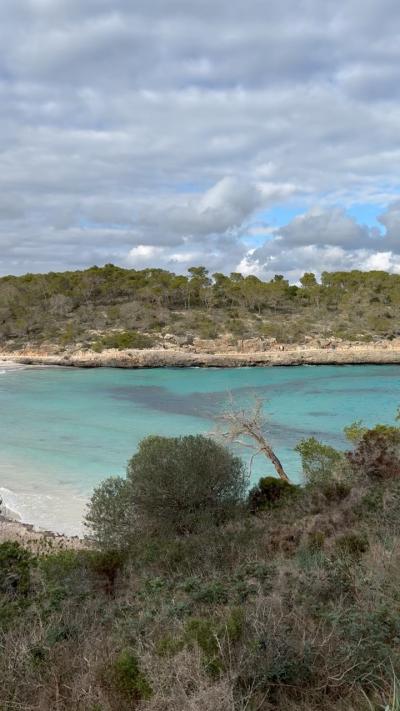
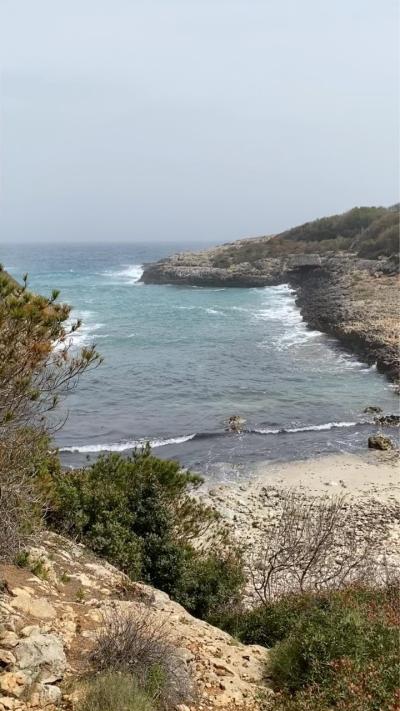
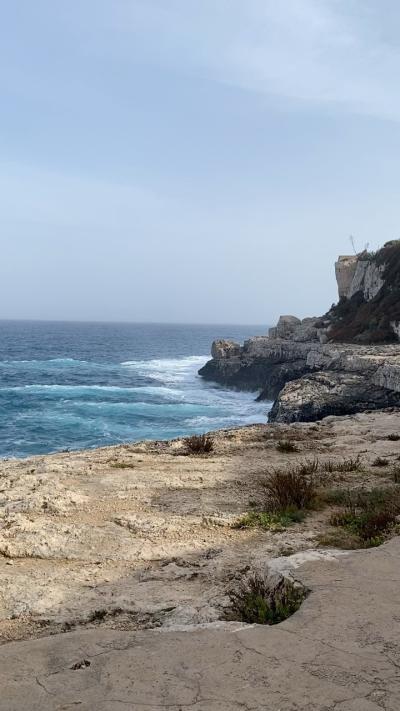
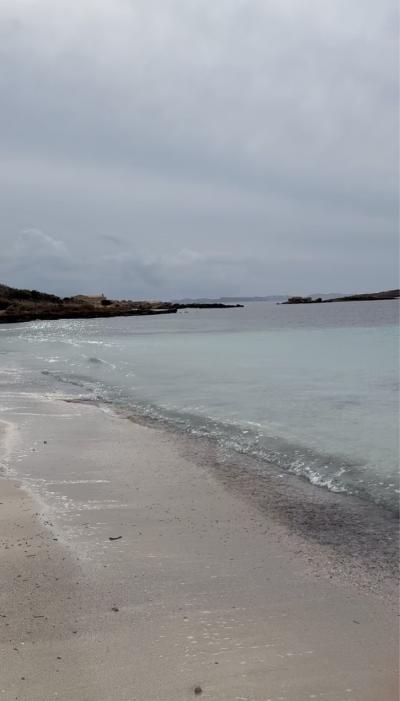
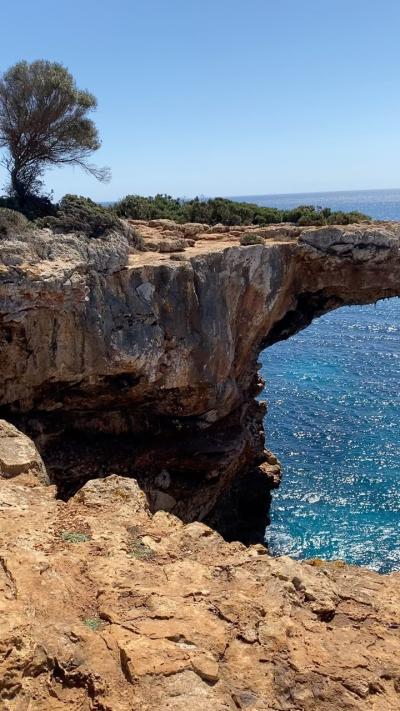
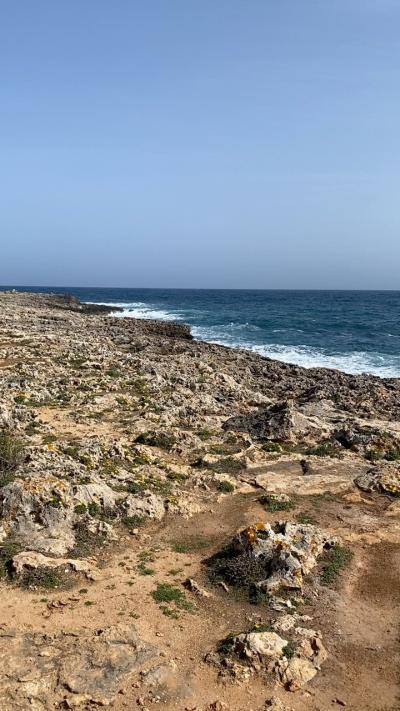
In contrast, the southeastern part of Mallorca enjoys a more arid climate, which supports a unique mix of vegetation adapted to withstand the heat. Here, you’ll find expanses of dry grassland interspersed with cacti and other drought-resistant plants. The coastline features stunning cliffs and sandy beaches, where you can spot vibrant coastal flora like tamarisk and sea daffodils. This region is perfect for those looking to relax by the beach while enjoying the natural beauty that thrives in a warmer climate. Each area of Mallorca offers a distinct experience, showcasing the island's incredible ecological diversity shaped by its varying climates.
As you move southward towards the coast, the climate becomes warmer and drier, leading to a different type of vegetation. The central plains are dominated by Mediterranean scrubland, with hardy plants like rosemary, thyme, and lavender thriving in the sun-drenched landscape. This area is also known for its agricultural activities, with fields of almond trees and olive groves dotting the countryside, especially beautiful when in bloom. The gentle slopes and rolling hills here provide a picturesque backdrop for traditional farmhouses and charming villages, making it a delightful region to explore.
In contrast, the southeastern part of Mallorca enjoys a more arid climate, which supports a unique mix of vegetation adapted to withstand the heat. Here, you’ll find expanses of dry grassland interspersed with cacti and other drought-resistant plants. The coastline features stunning cliffs and sandy beaches, where you can spot vibrant coastal flora like tamarisk and sea daffodils. This region is perfect for those looking to relax by the beach while enjoying the natural beauty that thrives in a warmer climate. Each area of Mallorca offers a distinct experience, showcasing the island's incredible ecological diversity shaped by its varying climates.
More Fotos