How does the sea temperature around Mallorca change throughout the year?
Similar Topics
sea temperature
mallorca beaches
summer swimming
autumn sea
winter surfing
spring swimming
cala mondrago
formentor
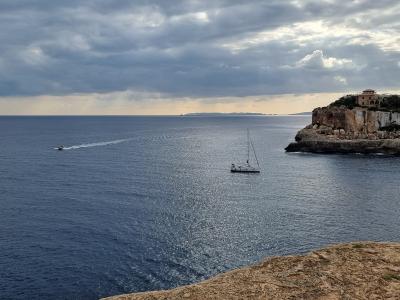
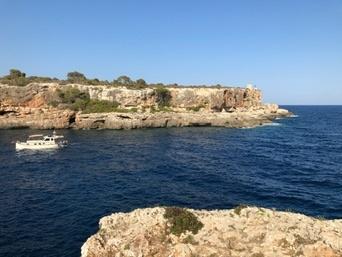
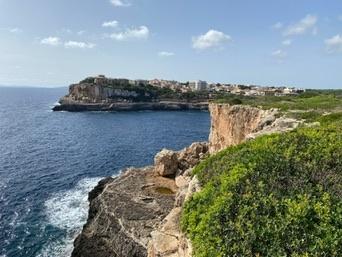
Sea temperatures around the island follow the rhythm of the Mediterranean seasons, shaping the best times to enjoy its many coves and beaches. During the height of summer, especially in July and August, the sea often reaches a pleasant warmth, inviting swimmers to dive into the clear waters off Cala Mondrago or Es Trenc. This warmth generally encourages lively days at the shore, with locals and visitors alike taking advantage of the calm seas to snorkel or paddle along the coastline.
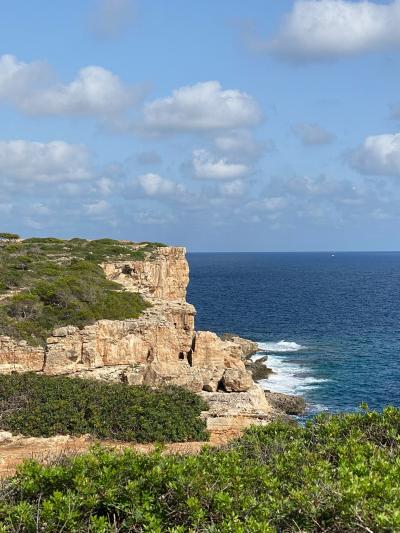
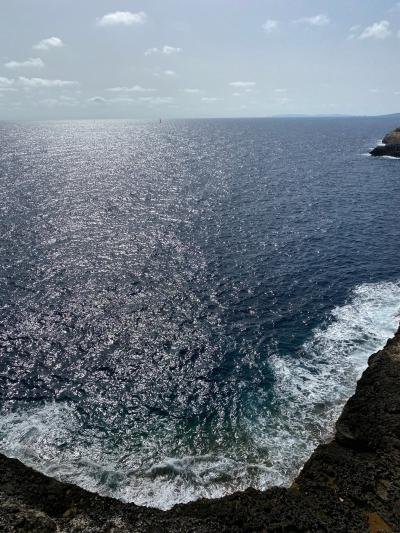
As autumn arrives, the water remains comfortable well into October, cooling gradually but still suitable for swimming, especially during sunny afternoons in spots like Formentor or Cala Llombards. The quieter beaches and softened light make this a favourite season for those looking to escape midsummer crowds while still enjoying the sea’s embrace. By late autumn and winter, the water temperature drops noticeably, sometimes feeling bracing compared to the warmer months; it’s less common to see swimmers, though surfers might venture out along exposed beaches or around the rocky coves near Port de Sóller, armed with wetsuits.
Spring is when the sea starts to regain its warmth, rising gradually from its winter lows. From April through May, water temperatures become inviting once more, especially on sunny days, supporting early-season swimmers and snorkelers along the Ma-19 road beaches near Palma or in the sheltered bays around Pollença. A dip in the sea at this time often feels refreshing and energising, signaling the arrival of warmer days and long evenings. Whether you’re arriving for a summer escape or early spring strolls, the changing sea temperatures here are part of the island’s natural charm.
As autumn arrives, the water remains comfortable well into October, cooling gradually but still suitable for swimming, especially during sunny afternoons in spots like Formentor or Cala Llombards. The quieter beaches and softened light make this a favourite season for those looking to escape midsummer crowds while still enjoying the sea’s embrace. By late autumn and winter, the water temperature drops noticeably, sometimes feeling bracing compared to the warmer months; it’s less common to see swimmers, though surfers might venture out along exposed beaches or around the rocky coves near Port de Sóller, armed with wetsuits.
Spring is when the sea starts to regain its warmth, rising gradually from its winter lows. From April through May, water temperatures become inviting once more, especially on sunny days, supporting early-season swimmers and snorkelers along the Ma-19 road beaches near Palma or in the sheltered bays around Pollença. A dip in the sea at this time often feels refreshing and energising, signaling the arrival of warmer days and long evenings. Whether you’re arriving for a summer escape or early spring strolls, the changing sea temperatures here are part of the island’s natural charm.

Portocristo
More Fotos