What distinctive architectural details should I notice when visiting towns in Mallorca?
Similar Topics
mallorca architecture
serra de tramuntana
la seu cathedral
valldemossa houses
azulejos tiles
pollença balconies
sustainable architecture
alcudia town
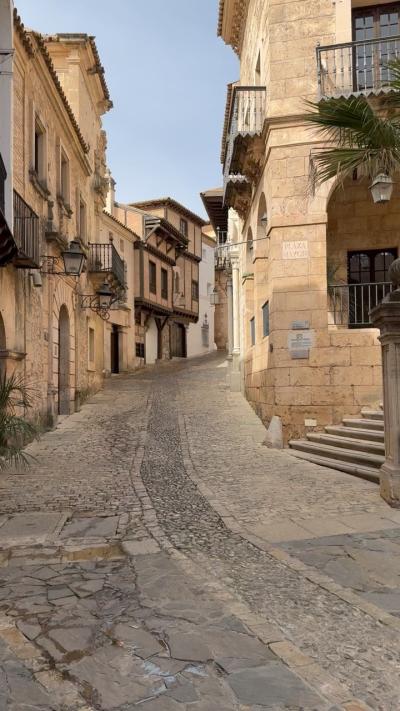
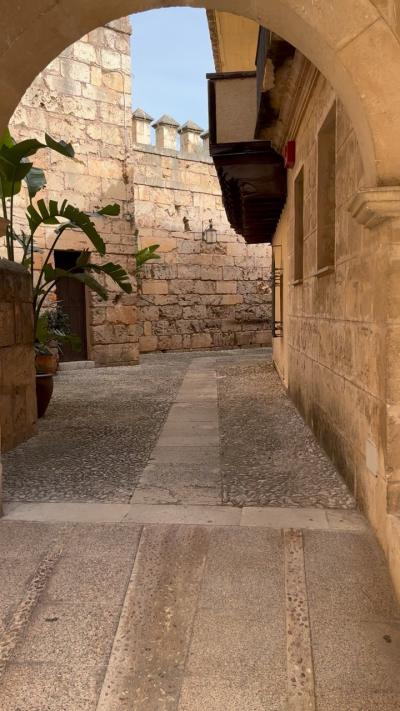
It’s easy to expect Mallorca’s architecture to be all sunshine and touristy facades, but the island has a much richer story told through its buildings. In towns like Valldemossa and Deià, look for the traditional stone houses with shuttered windows and terracotta roofs, nestled into the rugged Serra de Tramuntana landscape. These structures echo the old rural way of life and withstand the mountain climate with their thick walls. In Palma’s historic center, the contrasts are striking—gothic spires of La Seu Cathedral rise alongside Renaissance and Baroque palaces, their courtyards often shaded by orange trees. These layers reflect centuries of Mallorcan history, from medieval Catalan influences to more recent ornate civic architecture.
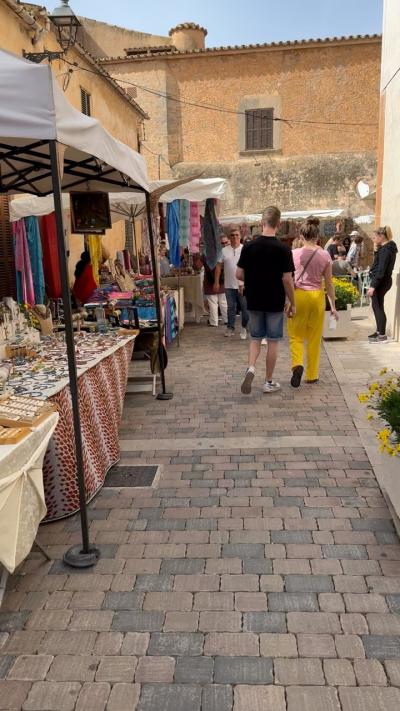
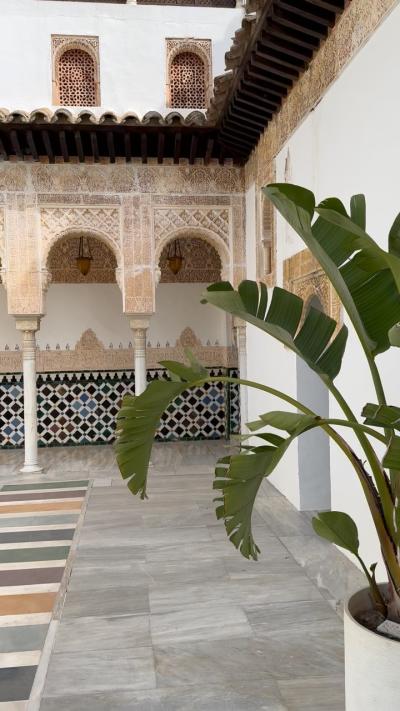
As you wander the narrow streets of Pollença or Alcudia, notice how wrought iron balconies and elaborately carved wooden doors add charm and character to modest townhouses. Classical decorative tiles, known here as azulejos, often embellish facades or interior floors; their colorful geometric patterns bear witness to Moorish design heritage that still thrives in the island’s aesthetic. Don’t miss the rustic elements like granaries called 'safres' and traditional farmhouses spread throughout the island’s countryside, blending stone and wood with the environment. Even in newer neighborhoods along the Ma-13 or near Palma’s outskirts, sustainable architecture using natural materials nods to Mallorca’s commitment to respecting its landscape.
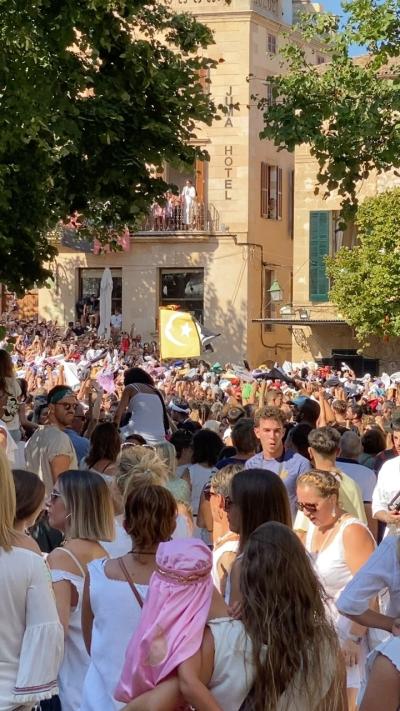
Keep an eye out for small details too, such as wooden shutters painted in shades of blue or green and elaborately framed street signs. These delicate touches weave together a narrative of local craftsmanship and pride that have survived waves of modern development. Whether in the lively town squares during festivals like Sant Sebastià or along the quiet coves of Cala Llombards, the island’s built environment invites you to explore a history that’s lived and evolving, one stone and tile at a time.
As you wander the narrow streets of Pollença or Alcudia, notice how wrought iron balconies and elaborately carved wooden doors add charm and character to modest townhouses. Classical decorative tiles, known here as azulejos, often embellish facades or interior floors; their colorful geometric patterns bear witness to Moorish design heritage that still thrives in the island’s aesthetic. Don’t miss the rustic elements like granaries called 'safres' and traditional farmhouses spread throughout the island’s countryside, blending stone and wood with the environment. Even in newer neighborhoods along the Ma-13 or near Palma’s outskirts, sustainable architecture using natural materials nods to Mallorca’s commitment to respecting its landscape.
Keep an eye out for small details too, such as wooden shutters painted in shades of blue or green and elaborately framed street signs. These delicate touches weave together a narrative of local craftsmanship and pride that have survived waves of modern development. Whether in the lively town squares during festivals like Sant Sebastià or along the quiet coves of Cala Llombards, the island’s built environment invites you to explore a history that’s lived and evolving, one stone and tile at a time.
More Fotos