What is the history behind the architecture in Estellencs?
Similar Topics
Estellencs architecture
Mallorca history
Moorish influence
traditional stone houses
Tramuntana mountains
18th century buildings
cultural heritage
local materials
neoclassical elements
Mallorca travel
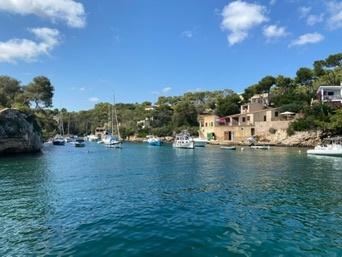
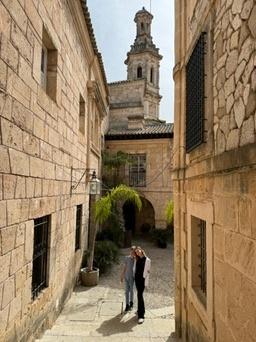
Estellencs, a charming village nestled in the Tramuntana mountains of Mallorca, boasts a rich architectural heritage that reflects its historical significance and cultural evolution. The village's architecture is characterized by traditional stone houses, often adorned with wooden shutters and terracotta roofs, which blend seamlessly into the stunning natural landscape. These structures date back to the 18th and 19th centuries, showcasing the rustic charm that defines the region. The use of local materials, such as limestone and sandstone, not only emphasizes the connection to the surrounding environment but also reveals the practical considerations of building in a mountainous area.
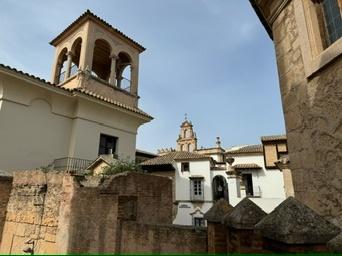
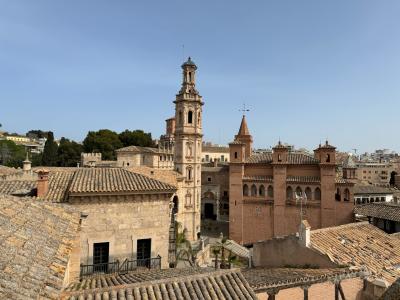
The influence of Moorish architecture is evident in the intricate details found in some of the older homes and public buildings, a remnant of the Islamic rule that shaped much of Mallorca’s history. This blend of styles reflects the island’s complex past, where various cultures, including the Catalans and later the Spanish, have left their mark. The narrow, winding streets of Estellencs invite exploration, revealing small plazas and quaint corners that encapsulate the village's tranquil atmosphere. Additionally, religious structures like the local church, which features a blend of baroque and neoclassical elements, serve as focal points in the community, illustrating the historical significance of faith in the village’s development.
As you wander through Estellencs, it becomes evident that the architecture is not merely a backdrop but an integral part of the village's identity. Each building tells a story of resilience, adaptation, and the harmonious coexistence of nature and human creativity. The preservation of these architectural gems is a testament to the community's commitment to maintaining its heritage while welcoming visitors who come to appreciate its unique charm. The picturesque setting and historical depth of Estellencs make it a captivating destination for anyone interested in exploring Mallorca's architectural legacy.
The influence of Moorish architecture is evident in the intricate details found in some of the older homes and public buildings, a remnant of the Islamic rule that shaped much of Mallorca’s history. This blend of styles reflects the island’s complex past, where various cultures, including the Catalans and later the Spanish, have left their mark. The narrow, winding streets of Estellencs invite exploration, revealing small plazas and quaint corners that encapsulate the village's tranquil atmosphere. Additionally, religious structures like the local church, which features a blend of baroque and neoclassical elements, serve as focal points in the community, illustrating the historical significance of faith in the village’s development.
As you wander through Estellencs, it becomes evident that the architecture is not merely a backdrop but an integral part of the village's identity. Each building tells a story of resilience, adaptation, and the harmonious coexistence of nature and human creativity. The preservation of these architectural gems is a testament to the community's commitment to maintaining its heritage while welcoming visitors who come to appreciate its unique charm. The picturesque setting and historical depth of Estellencs make it a captivating destination for anyone interested in exploring Mallorca's architectural legacy.
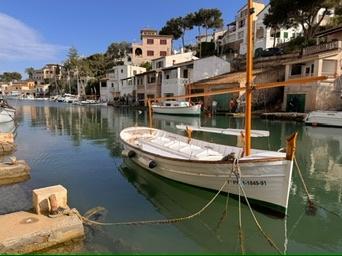
Cala Figuera
More Fotos