What seasonal dishes are unique to Mallorca and how do they reflect the island’s ingredients throughout the year?
Similar Topics
seasonal dishes
tumbet
sobrassada
pa amb oli
binissalem wine
ensaimada
hierbas
nit de foc
On the north coast, dishes often shift with the landscape and local harvests, while in towns like Manacor and Alcudia, traditional recipes highlight seasonal bounty in a different light. Come autumn, the markets brim with almonds and newly harvested olives, inspiring specialties such as tumbet—a vegetable medley layered with fried eggplant, peppers, and potatoes—served alongside sausage and local sobrassada. This time of year also brings hearty pa amb oli with freshly pressed olive oil and robust Binissalem wines.
Winter menus tend toward rich, warming fare, especially in mountain villages like Valldemossa and Deia, where slow-cooked stews featuring local meats and root vegetables offer comfort against the cooler Tramuntana breeze. Seafood lovers will find the catch near Port de Pollenca particularly fresh, delivered from daily hauls and incorporated into brothy fish soups or arroz brut. Spirits such as Hierbas and Palo—a herbal and sweet liquor—provide a warming touch after meals during the island’s quieter months.
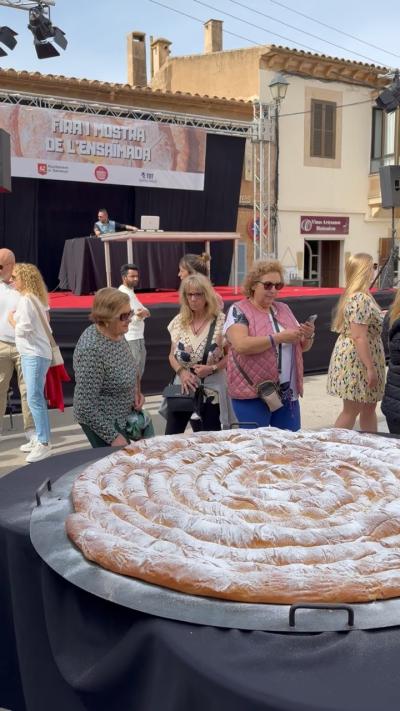
Spring celebrates a return of vibrant greens: asparagus, fava beans, and early strawberries find their way into lighter dishes and pastries such as ensaimadas filled with seasonal fruit jams. Farm stalls along the Ma-13 showcase fresh vegetables that inspire generous summer renditions of the island’s cuisine.
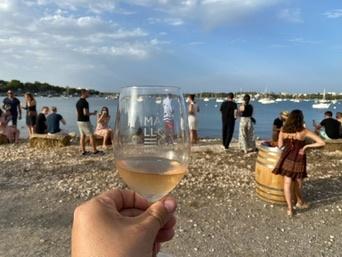
The balmy summers bring crowds to Es Trenc and Cala Mondrago, where chefs highlight ripe tomatoes and sweet corn alongside grilled fresh fish, served with crisp white wine from local vineyards. Seasonal festivals like Nit de Foc in Palma and Sant Sebastia spotlight these ingredients with open-air feasts, tying the flavors of the island to its vibrant culture and landscape.
Winter menus tend toward rich, warming fare, especially in mountain villages like Valldemossa and Deia, where slow-cooked stews featuring local meats and root vegetables offer comfort against the cooler Tramuntana breeze. Seafood lovers will find the catch near Port de Pollenca particularly fresh, delivered from daily hauls and incorporated into brothy fish soups or arroz brut. Spirits such as Hierbas and Palo—a herbal and sweet liquor—provide a warming touch after meals during the island’s quieter months.
Spring celebrates a return of vibrant greens: asparagus, fava beans, and early strawberries find their way into lighter dishes and pastries such as ensaimadas filled with seasonal fruit jams. Farm stalls along the Ma-13 showcase fresh vegetables that inspire generous summer renditions of the island’s cuisine.
The balmy summers bring crowds to Es Trenc and Cala Mondrago, where chefs highlight ripe tomatoes and sweet corn alongside grilled fresh fish, served with crisp white wine from local vineyards. Seasonal festivals like Nit de Foc in Palma and Sant Sebastia spotlight these ingredients with open-air feasts, tying the flavors of the island to its vibrant culture and landscape.

Deià
More Fotos