What are the main characteristics of Talaiot architecture?
Similar Topics
Talaiot architecture
Balearic Islands
Mallorca
Menorca
prehistoric structures
stone construction
burial structures
navetas
cultural heritage
ancient ruins
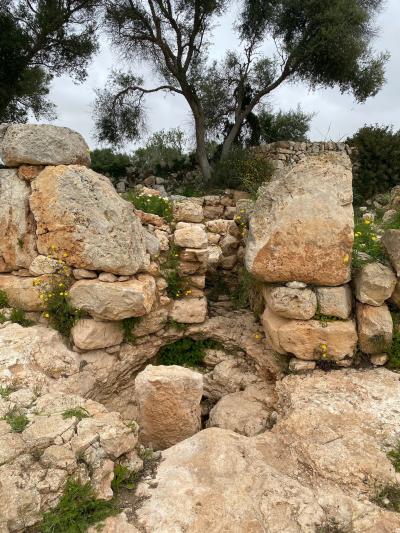
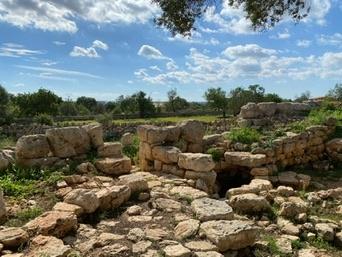
Talaiot architecture is a fascinating aspect of the prehistoric structures found primarily on the Balearic Islands, particularly Mallorca and Menorca. These structures, which date back to around 1000 BC, are characterized by their distinctive stone construction and unique forms. The most notable feature is the talaiot itself, a large, often circular or square tower-like structure that served various purposes, possibly including lookout points, storage, or ceremonial functions. These towers can reach impressive heights and were constructed using massive limestone blocks, skillfully fitted together without the use of mortar, showcasing the architectural ingenuity of the time.
Another significant element of Talaiot architecture is the presence of navetas, which are burial structures resembling inverted boats. These buildings are typically made of large stones and are often found in clusters near talaiots. Their design reflects a deep connection to the funerary practices of the Talaiotic people, with many navetas containing multiple burial chambers. Additionally, the layout of Talaiot sites often includes surrounding enclaves, which may have served as living quarters or communal spaces, indicating a well-organized society with distinct social structures.
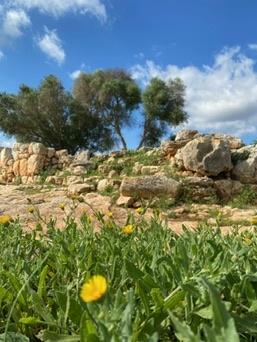
Visitors to these sites will notice the stark beauty of the landscape, as many talaiots are situated on elevated ground, offering breathtaking views of the surrounding countryside. Exploring these ancient ruins provides a unique glimpse into the lives of the Talaiotic people and their architectural prowess. The combination of historical significance and stunning natural settings makes Talaiot architecture not just an archaeological wonder but also an essential part of the cultural heritage of the Balearic Islands, inviting travelers to delve deeper into the region's rich history.
Another significant element of Talaiot architecture is the presence of navetas, which are burial structures resembling inverted boats. These buildings are typically made of large stones and are often found in clusters near talaiots. Their design reflects a deep connection to the funerary practices of the Talaiotic people, with many navetas containing multiple burial chambers. Additionally, the layout of Talaiot sites often includes surrounding enclaves, which may have served as living quarters or communal spaces, indicating a well-organized society with distinct social structures.
Visitors to these sites will notice the stark beauty of the landscape, as many talaiots are situated on elevated ground, offering breathtaking views of the surrounding countryside. Exploring these ancient ruins provides a unique glimpse into the lives of the Talaiotic people and their architectural prowess. The combination of historical significance and stunning natural settings makes Talaiot architecture not just an archaeological wonder but also an essential part of the cultural heritage of the Balearic Islands, inviting travelers to delve deeper into the region's rich history.
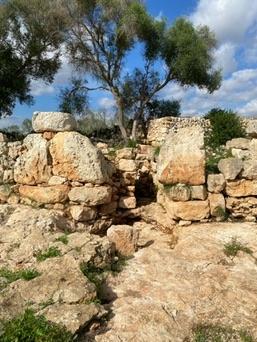
Santanyí
More Fotos


Related Questions
Related Question
What local festivals or events in Mallorca are popular with younger visitors?
Related Question
What local foods and artisanal products can I find at markets or specialty stores around Palma and the Tramuntana?
Related Question
Can I buy freshly pressed olive oil directly from a Mallorcan olive oil mill?