What do residents think about tourists visiting traditional markets in Palma and other Mallorcan towns?
Similar Topics
palma markets
local artisans
binissalem wine
pa amb oli
tramuntana mountains
sobrassada
tumbet dish
tourism impact
The scent of freshly baked ensaimadas mingling with the earthy aroma of sobrassada sets the scene as locals open their market stalls in towns like Palma, Soller, and Alcudia. These markets have long been more than just places to buy produce; they are vibrant social hubs where community ties flourish. Many islanders welcome visitors who come with curiosity and respect, appreciating how their presence breathes life into the vendors’ trade and supports small-scale artisans selling handmade ceramics or local wines from Binissalem.
Yet, this warm reception comes with a cautious edge. Some residents worry that an influx of tourists, especially during peak events like Sant Sebastià in Palma or the Festa de l’Ametler in the Tramuntana, can transform the atmosphere into something overly commercial. When stalls shift their focus to souvenir trinkets or generic gifts, the authentic character—rooted in local craftsmanship and traditional foods like tumbet or freshly pressed olive oil on pa amb oli—risks being diluted. Crowded markets along the Ma-13 to Pollensa or the bustling TIB bus stops at Cala Mondragó sometimes hinder locals from shopping as they traditionally would.
Still, those who tend the stalls often find that tourists’ genuine interest—asking about the herbs used in Hierbas or the story behind a handwoven product from Valldemossa—helps keep traditions alive. The quiet joy of sharing a glass of Palo or a story about the Serra de Tramuntana’s olive groves creates a meaningful exchange. It is this blend of welcoming spirit and protective pride that shapes the local view: markets are vibrant places of connection, but one hopes that visitors tread lightly and honor their deep cultural roots.
Yet, this warm reception comes with a cautious edge. Some residents worry that an influx of tourists, especially during peak events like Sant Sebastià in Palma or the Festa de l’Ametler in the Tramuntana, can transform the atmosphere into something overly commercial. When stalls shift their focus to souvenir trinkets or generic gifts, the authentic character—rooted in local craftsmanship and traditional foods like tumbet or freshly pressed olive oil on pa amb oli—risks being diluted. Crowded markets along the Ma-13 to Pollensa or the bustling TIB bus stops at Cala Mondragó sometimes hinder locals from shopping as they traditionally would.
Still, those who tend the stalls often find that tourists’ genuine interest—asking about the herbs used in Hierbas or the story behind a handwoven product from Valldemossa—helps keep traditions alive. The quiet joy of sharing a glass of Palo or a story about the Serra de Tramuntana’s olive groves creates a meaningful exchange. It is this blend of welcoming spirit and protective pride that shapes the local view: markets are vibrant places of connection, but one hopes that visitors tread lightly and honor their deep cultural roots.

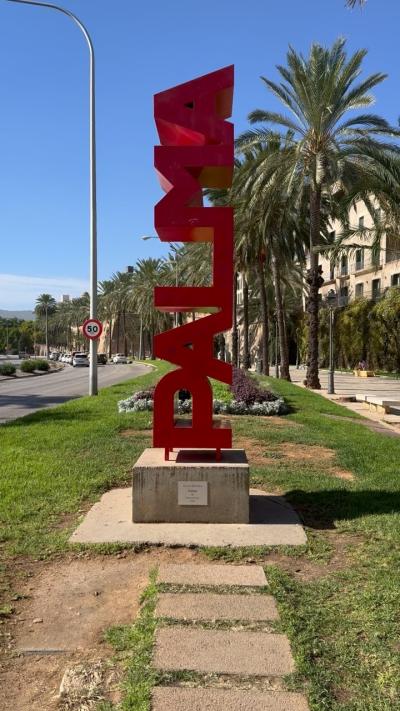
Palma
More Fotos


Related Questions
Related Question
Are there any beachfront adults-only hotels in Cala Mesquida?
Related Question
What are some scenic viewpoints on Mallorca that can be reached by both bike and car?
Related Question
Do hotels and other accommodations in Mallorca vary much in star ratings depending on what they offer?