What seasonal ingredients are typical in Mallorcan cuisine throughout the year?
Similar Topics
seasonal ingredients
mallorcan cuisine
spring produce
summer fruits
autumn dishes
winter food
local markets
traditional recipes
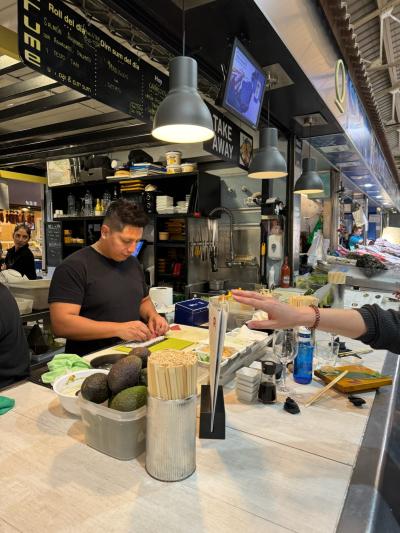
In villages like Sineu and markets in Palma, seasonal ingredients play a starring role in the island’s cuisine, shaping dishes that feel tied closely to the land and sea. Spring brings fresh artichokes, tender peas, and wild herbs such as fennel and rosemary, which often appear in lighter dishes like tumbet—a local vegetable stew—or soups. The markets buzz with new arrivals, inspiring chefs to highlight Palma’s fresh bounty with simple preparations that celebrate the season’s gentle flavors.
Come summer, tomatoes from the plains around Palma and sweet figs from the Tramuntana saturate menus. Es Trenc’s salt flats and nearby produce add a briny note to dishes alongside fresh seafood caught from the bay. Sorbets made from locally grown fruits like apricots or blackberries offer a refreshing finish on warm days. The gentle heat draws out traditional cold salads dressed with olive oil from Binissalem and garlic-laden pa amb oli, underscoring the island’s sun-kissed character.
Autumn signals richer fare, as wild mushrooms harvested near Valldemossa or pumkins find their way into comforting stews or roast dishes. It’s also when the almond harvest culminates during the Festa de l’Ametler, inspiring sweets often paired with a glass of Palo or Hierbas. Root vegetables and hearty greens from the island’s fertile patches appear in warming plates designed to stave off the cooler air.
Winter cuisine leans into preserved flavors—sobrassada cured in cold cellars, olives, and pickled vegetables—offering depth and warmth. Chefs in towns like Pollenca focus on slow-cooked lamb or pork dishes, making the most of the heartier produce available and the island’s traditional preservation techniques. Through these culinary cycles, eating here becomes a vivid connection to Mallorca’s lands and seasons.
Come summer, tomatoes from the plains around Palma and sweet figs from the Tramuntana saturate menus. Es Trenc’s salt flats and nearby produce add a briny note to dishes alongside fresh seafood caught from the bay. Sorbets made from locally grown fruits like apricots or blackberries offer a refreshing finish on warm days. The gentle heat draws out traditional cold salads dressed with olive oil from Binissalem and garlic-laden pa amb oli, underscoring the island’s sun-kissed character.
Autumn signals richer fare, as wild mushrooms harvested near Valldemossa or pumkins find their way into comforting stews or roast dishes. It’s also when the almond harvest culminates during the Festa de l’Ametler, inspiring sweets often paired with a glass of Palo or Hierbas. Root vegetables and hearty greens from the island’s fertile patches appear in warming plates designed to stave off the cooler air.
Winter cuisine leans into preserved flavors—sobrassada cured in cold cellars, olives, and pickled vegetables—offering depth and warmth. Chefs in towns like Pollenca focus on slow-cooked lamb or pork dishes, making the most of the heartier produce available and the island’s traditional preservation techniques. Through these culinary cycles, eating here becomes a vivid connection to Mallorca’s lands and seasons.

Deià
More Fotos