How have architectural changes influenced local culture and daily life in towns like Palma and Sóller?
Similar Topics
palma architecture
sóller lifestyle
tramuntana culture
tib bus network
pa amb oli
sustainable design mallorca
local festivals
urban development
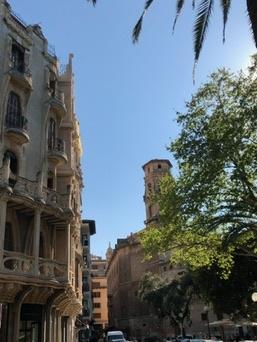
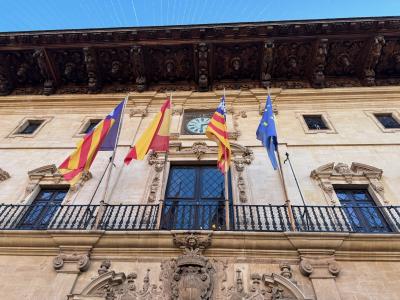
The architectural landscape around Palma and Sóller has long mirrored broader shifts in the island’s cultural rhythms and daily life. Traditional stone houses with wooden shutters and inner courtyards reflect centuries of Mediterranean living, centered on social connection and the rhythms of agriculture. As newer developments emerged, particularly around Palma’s expanding suburbs and vibrant port area, the contrast between old and new shaped residents’ lifestyles and social habits.
Modern apartment blocks and renovated industrial spaces have allowed for a diverse urban mix, where community cafés and artisan shops thrive alongside historic churches and plazas. This blend encourages local interaction and cultural exchange, with markets and evening passejades enlivening daily life. Around Sóller, the integration of contemporary elements alongside the tram and the historic railway has preserved a slower pace, where people still gather in town squares and local eateries serving pa amb oli and tumbet.
Sustainability in newer designs has also gained ground, reflecting a collective awareness of preserving the island’s natural beauty. This is evident not only in green building materials but also in a growing reliance on public transport networks like the TIB buses and the Palma metro, which influence daily routines and reduce car traffic. As newer residents bring international influences to the coastal resorts and mountain villages, festivals such as Nit de Foc and Sant Sebastià adapt to celebrate this evolving community fabric. Architectural transformations, therefore, do not merely alter skylines; they continuously shape the cultural heartbeat and everyday experience across the island’s neighborhoods and towns.
Modern apartment blocks and renovated industrial spaces have allowed for a diverse urban mix, where community cafés and artisan shops thrive alongside historic churches and plazas. This blend encourages local interaction and cultural exchange, with markets and evening passejades enlivening daily life. Around Sóller, the integration of contemporary elements alongside the tram and the historic railway has preserved a slower pace, where people still gather in town squares and local eateries serving pa amb oli and tumbet.
Sustainability in newer designs has also gained ground, reflecting a collective awareness of preserving the island’s natural beauty. This is evident not only in green building materials but also in a growing reliance on public transport networks like the TIB buses and the Palma metro, which influence daily routines and reduce car traffic. As newer residents bring international influences to the coastal resorts and mountain villages, festivals such as Nit de Foc and Sant Sebastià adapt to celebrate this evolving community fabric. Architectural transformations, therefore, do not merely alter skylines; they continuously shape the cultural heartbeat and everyday experience across the island’s neighborhoods and towns.
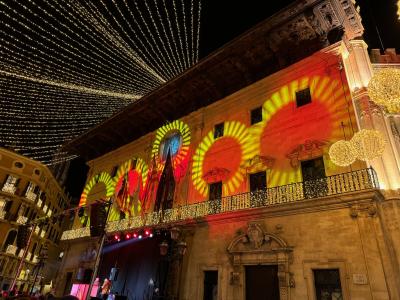
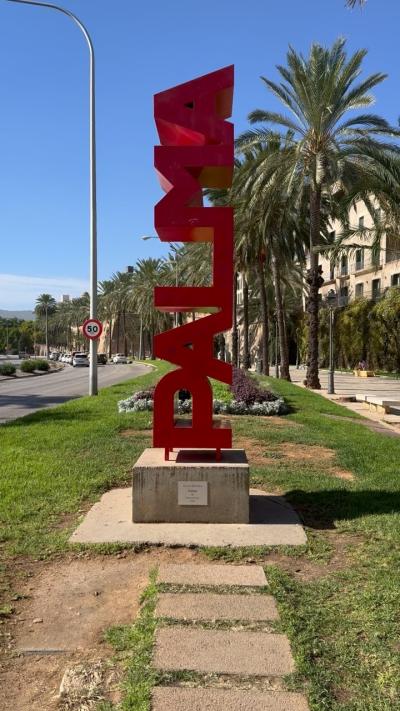
Palma
More Fotos