How do Mallorca's protected natural parks support its unique wildlife and environment?
- Mallorca nature parks
- Serra de tramuntana
- Balearic shearwater
- Es trenc dunes
- Native flora
- Habitat preservation
- Ecological balance
- Wildlife corridors
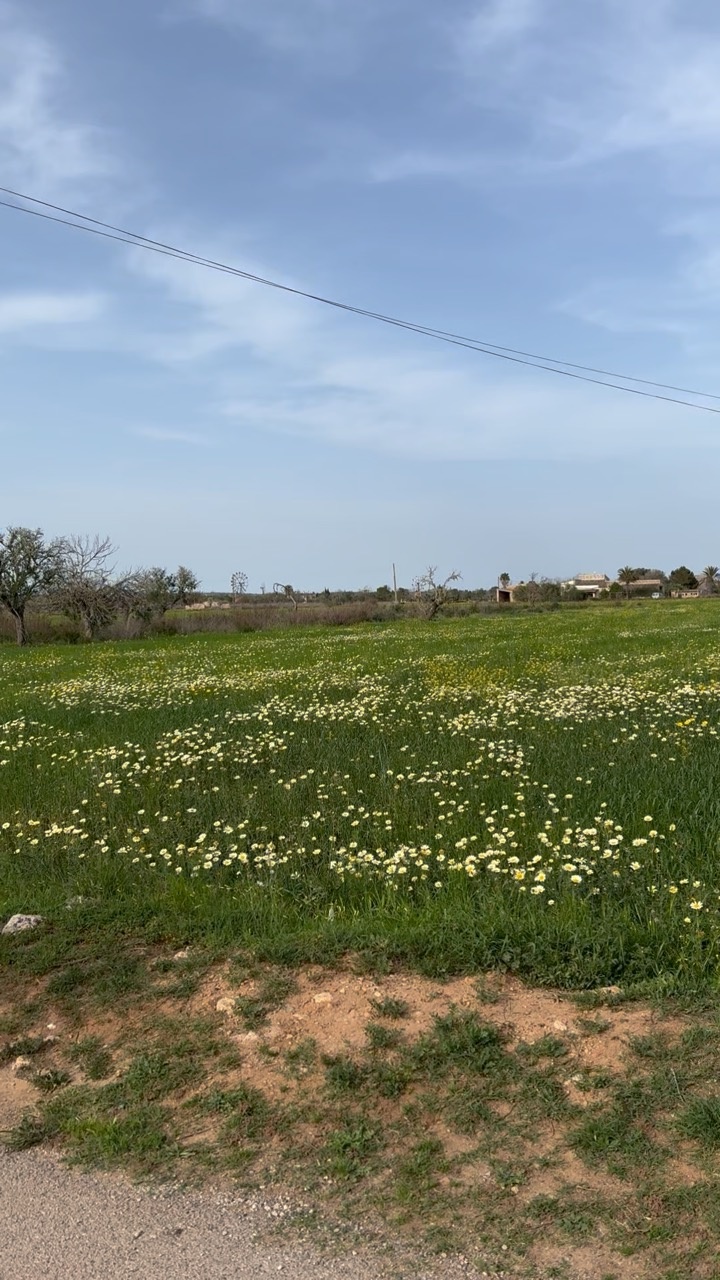
Many of the island’s protected areas trace their origins back to traditional farming and forestry practices that shaped the landscape over centuries, preserving habitats that have become vital refuges for native species. The Serra de Tramuntana Natural Park, for example, safeguards rugged mountain habitats where endangered birds like the Balearic shearwater and native plants flourish. Elsewhere, coastal reserves protect fragile dune systems and wetlands, such as those near Es Trenc beach, which serve as breeding grounds for migratory birds. These areas form interconnected refuges, allowing wildlife to move freely across the island and maintain genetic diversity in varying environments.
Beyond wildlife, these parks help sustain essential ecological functions. They contribute to soil retention on steep slopes, reducing erosion risks that could impact agricultural terraces around Valldemossa and Deia. The conservation of native pine forests and maquis scrublands also supports water cycle regulation, improving the quality of aquifers that supply towns such as Alcudia and Pollenca. Visitors benefit from these natural spaces, which offer opportunities to explore well-marked hiking trails, spot rare plants and birds, and learn about the island’s natural heritage through local guides. In preserving Mallorca’s natural parks, the balance between human activity and the environment is protected, maintaining the character and biodiversity that make the island unique.