How does the food culture in Palma compare to other parts of Mallorca?
Similar Topics
Palma food culture
Mallorca cuisine
tapas bars Palma
seafood restaurants Mallorca
traditional Mallorcan dishes
Mercat de l'Olivar
farm-to-table Mallorca
Mallorca culinary traditions
Palma dining experiences
rural Mallorca food
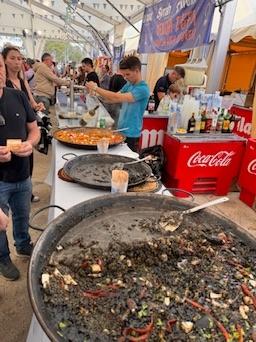
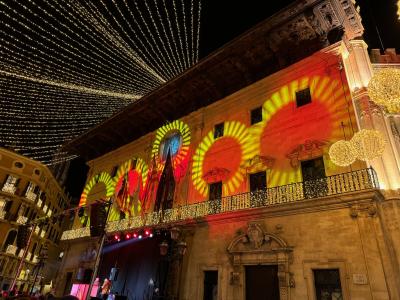
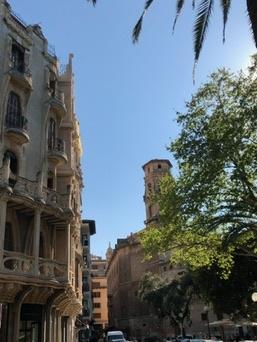
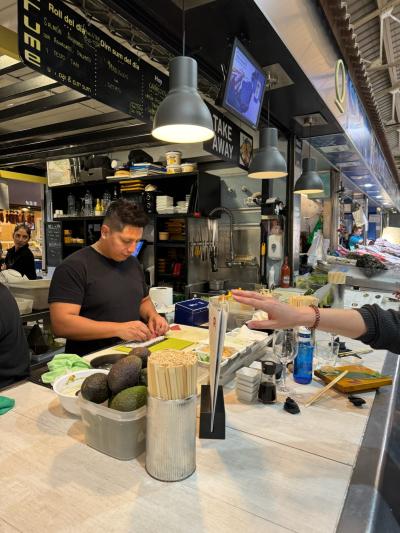
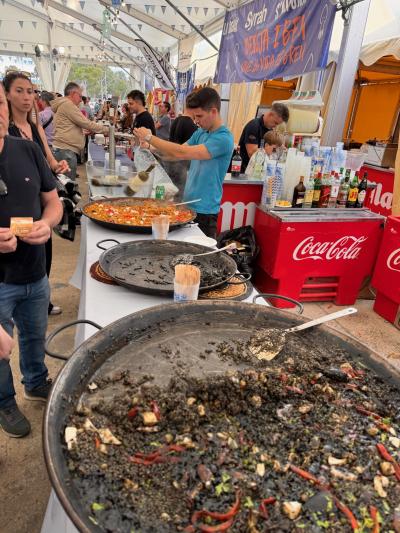
Palma, the capital of Mallorca, boasts a vibrant food culture that reflects both its urban sophistication and its Balearic roots. The city is a melting pot of culinary influences, blending traditional Mallorcan flavors with modern gastronomy. You’ll find an abundance of tapas bars, seafood restaurants, and trendy eateries that showcase local ingredients like fresh fish, seasonal vegetables, and the famous sobrassada, a cured sausage that is a staple in Mallorcan cuisine. The bustling markets, such as Mercat de l'Olivar, offer a fantastic glimpse into the local food scene, where you can sample everything from artisanal cheeses to homemade pastries.
In contrast, other parts of Mallorca, particularly the countryside and smaller towns, tend to have a more traditional and rustic approach to food. Here, the focus is often on hearty, home-cooked meals that highlight the island's agricultural heritage. You may encounter dishes like tumbet, a vegetable ratatouille, or the rich, slow-cooked lamb stew known as “arros brut.” These areas often emphasize farm-to-table dining, with many restaurants sourcing ingredients from local farms. The pace is slower, and the dining experiences are often more intimate, reflecting the island's communal values.
While Palma offers a diverse and dynamic food scene that caters to both locals and tourists, the surrounding regions provide a deeper connection to Mallorca’s culinary traditions. Visitors can enjoy the best of both worlds by exploring Palma's bustling restaurants and markets before venturing into the quieter towns to savor authentic, traditional dishes. Together, these experiences create a rich tapestry of flavors that truly capture the essence of Mallorcan cuisine.
In contrast, other parts of Mallorca, particularly the countryside and smaller towns, tend to have a more traditional and rustic approach to food. Here, the focus is often on hearty, home-cooked meals that highlight the island's agricultural heritage. You may encounter dishes like tumbet, a vegetable ratatouille, or the rich, slow-cooked lamb stew known as “arros brut.” These areas often emphasize farm-to-table dining, with many restaurants sourcing ingredients from local farms. The pace is slower, and the dining experiences are often more intimate, reflecting the island's communal values.
While Palma offers a diverse and dynamic food scene that caters to both locals and tourists, the surrounding regions provide a deeper connection to Mallorca’s culinary traditions. Visitors can enjoy the best of both worlds by exploring Palma's bustling restaurants and markets before venturing into the quieter towns to savor authentic, traditional dishes. Together, these experiences create a rich tapestry of flavors that truly capture the essence of Mallorcan cuisine.
Alcanada
More Fotos