How can I recognize Roman influence in the design of traditional rural buildings on Mallorca?
Similar Topics
roman architecture
mallorca rural buildings
vaulted ceilings
traditional fincas
roman villas
stone construction
agricultural buildings
water management
The legacy of Roman engineering quietly persists in many of the island’s rural structures, especially those linked to farming and estate life in regions like Pla de Mallorca and near Manacor. It’s common to find arched doorways and vaulted ceilings in traditional granaries and wine cellars, design features inherited from Roman techniques that provided both strength and efficient use of space. These vaults, often barrel-shaped, can be spotted when exploring old fincas or agricultural outbuildings dotted throughout the countryside.
Many farmhouses follow a courtyard-centered layout that echoes the Roman villa style, with functional spaces arrayed symmetrically around a central open area. This arrangement not only optimizes work flow but also reflects a classical approach to proportion and harmony. Local builders traditionally employed stone and clay bricks, materials favored by the Romans, lending these buildings a robust, enduring quality suited to the island’s climate.
Occasionally, small decorative touches like pilasters or remnants of column bases hint at embellishments inspired by Roman aesthetics, even in utilitarian farm buildings. Water management systems near these estates sometimes mirror ancient concepts, as irrigation channels and cisterns maintain the practical spirit of Roman rural infrastructure. Taking a leisurely drive along rural lanes off the Ma-13 or Ma-19 roads, or a stroll through the farmland around Alcudia and Pollenca, reveals these subtle but telling traces of a distant architectural heritage.
Many farmhouses follow a courtyard-centered layout that echoes the Roman villa style, with functional spaces arrayed symmetrically around a central open area. This arrangement not only optimizes work flow but also reflects a classical approach to proportion and harmony. Local builders traditionally employed stone and clay bricks, materials favored by the Romans, lending these buildings a robust, enduring quality suited to the island’s climate.
Occasionally, small decorative touches like pilasters or remnants of column bases hint at embellishments inspired by Roman aesthetics, even in utilitarian farm buildings. Water management systems near these estates sometimes mirror ancient concepts, as irrigation channels and cisterns maintain the practical spirit of Roman rural infrastructure. Taking a leisurely drive along rural lanes off the Ma-13 or Ma-19 roads, or a stroll through the farmland around Alcudia and Pollenca, reveals these subtle but telling traces of a distant architectural heritage.
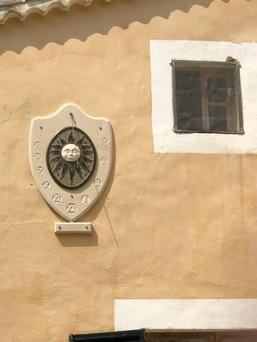
Esporles
More Fotos



Related Questions
Related Question
What are the advantages of using a rental agency for holiday homes in Mallorca?
Related Question
Are there any historical sites or monuments in Mallorca that commemorate the battle of Llucmajor?
Related Question
Are there guided cultural or nature tours around the Serra de Tramuntana worth taking?