What kinds of plants and flowers are typical in gardens around Palma and the Tramuntana?
Similar Topics
palma gardens
tramuntana plants
mediterranean flora
bougainvillea
olive trees
lavender
almond blossoms
native plants
In gardens around Palma and the Serra de Tramuntana, you’ll find a mix of Mediterranean flora that thrives in the island’s warm, dry climate. Olive and fig trees often stand alongside vibrant bougainvillea that bursts with magenta flowers, while fragrant rosemary and thyme provide aromatic greenery. In spring, blooming almond and orange blossoms perfume the air, their delicate petals a welcome splash of color.
Public and private gardens alike frequently showcase hibiscus, oleander, and lavender, each adapted to the local terrain with their drought-resistant qualities. In more sheltered spots like Valldemossa and Deià, you’ll discover colorful geraniums and cyclamen adding charm beneath pines and cypresses. Seasonal bursts of nasturtiums and petunias enliven patios and terraces, while wildflowers such as poppies can be spotted along rural paths and the Ma-10 highway that winds through the Tramuntana.
Many gardens incorporate native carob trees and agave plants, blending ornamental beauty with the island’s traditional landscape. The interplay of silvery leaves and bright blooms creates spaces that feel both timeless and inviting. Whether exploring Palma’s historic gardens or the countryside’s cultivated plots, the flora reflects Mallorca’s blend of rugged nature and cultivated elegance, perfect for those who appreciate subtropical Mediterranean charm.
Public and private gardens alike frequently showcase hibiscus, oleander, and lavender, each adapted to the local terrain with their drought-resistant qualities. In more sheltered spots like Valldemossa and Deià, you’ll discover colorful geraniums and cyclamen adding charm beneath pines and cypresses. Seasonal bursts of nasturtiums and petunias enliven patios and terraces, while wildflowers such as poppies can be spotted along rural paths and the Ma-10 highway that winds through the Tramuntana.
Many gardens incorporate native carob trees and agave plants, blending ornamental beauty with the island’s traditional landscape. The interplay of silvery leaves and bright blooms creates spaces that feel both timeless and inviting. Whether exploring Palma’s historic gardens or the countryside’s cultivated plots, the flora reflects Mallorca’s blend of rugged nature and cultivated elegance, perfect for those who appreciate subtropical Mediterranean charm.
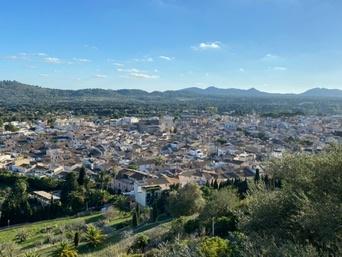
Artà
More Fotos
Related Questions
Related Question
Are there good hiking trails around the Serra de Tramuntana near Soller?
Related Question
Are there any local plants or wildlife along the Serra de Tramuntana trails that children might enjoy spotting?
Related Question
Are there specific evenings when markets in Mallorca tend to be livelier or more bustling?