What sustainable tourism initiatives are currently being developed to protect Mallorca’s environment and culture?
- Sustainable tourism
- Mallorca environment
- Eco-friendly hotels
- Serra de tramuntana
- Tib bus
- Local culture
- Es trenc beach
- Nit de foc
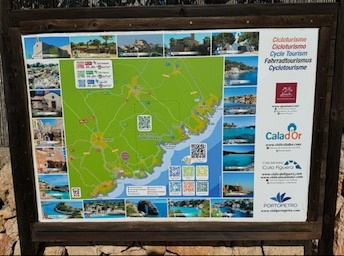
Efforts to promote sustainability on the island increasingly balance tourism demand between the bustling capital Palma and quieter, inland towns like Valldemossa or the northern spots of Pollença and Alcúdia. This helps ease the strain on popular beaches such as Es Trenc or Cala Mondragó while encouraging visitors to experience lesser-known villages along the Serra de Tramuntana. The local government and businesses are progressively working to preserve the island’s natural landscapes and cultural heritage through more mindful tourism practices.
Eco-conscious hotels and rural fincas around Deia and Soller are adopting greener operations, employing solar energy, reducing plastic waste, and offering local, organic food like pa amb oli and sobrassada to reduce their ecological footprint. Guided tours often highlight the importance of protecting native flora and fauna, with initiatives to educate travelers about maintaining the pristine condition of areas along the Ma-10 winding through the mountains or the unspoiled coves near Cala Llombards. Public transport improvements via the TIB bus network and the historic Soller railway also help cut car emissions by providing reliable alternatives.
Promoting cultural events such as Nit de Foc in Palma and local festivals in Manacor revitalizes community pride while distributing tourist footfall beyond the busy summer months. There’s a growing push to support artisanal producers and traditional crafts, giving travelers authentic connections to the island’s heritage. These sustainable tourism projects, supported by regional policies, aim to protect Mallorca's beauty and ensure visitors leave a positive impact on its environment and people.