What ingredients are typically used in traditional Mallorcan soups?
Similar Topics
Mallorcan soups
Sopa de Cebolla
Sopa Mallorquina
traditional Mallorcan cuisine
Mediterranean lifestyle
sobrasada
local ingredients
culinary heritage
olive oil
seasonal vegetables
Traditional Mallorcan soups are a delightful reflection of the island's rich culinary heritage, characterized by fresh, local ingredients that celebrate the Mediterranean lifestyle. One of the most well-known soups is "Sopa de Cebolla," a hearty onion soup that often incorporates tomatoes, garlic, and a variety of herbs. The base typically consists of a rich broth made from either meat or vegetables, which infuses the dish with deep flavor. Another beloved option is "Sopa Mallorquina," which is a rustic, robust soup featuring seasonal vegetables such as kale, potatoes, and carrots, often complemented by bread to enrich the texture and heartiness.
In addition to vegetables, these soups frequently showcase the island's famed sobrasada, a cured sausage made from pork and spices, which adds a unique depth and spice to the dish. The use of local herbs like parsley and mint is common, providing freshness and brightness that balances the rich, savory notes. Olive oil, a staple of Mallorcan cooking, is often drizzled on top before serving, enhancing the flavors and adding a luxurious finish. Enjoying a bowl of such traditional soup is not only a way to savor the local cuisine but also an experience that connects you with the island's agricultural roots and culinary traditions.
In addition to vegetables, these soups frequently showcase the island's famed sobrasada, a cured sausage made from pork and spices, which adds a unique depth and spice to the dish. The use of local herbs like parsley and mint is common, providing freshness and brightness that balances the rich, savory notes. Olive oil, a staple of Mallorcan cooking, is often drizzled on top before serving, enhancing the flavors and adding a luxurious finish. Enjoying a bowl of such traditional soup is not only a way to savor the local cuisine but also an experience that connects you with the island's agricultural roots and culinary traditions.
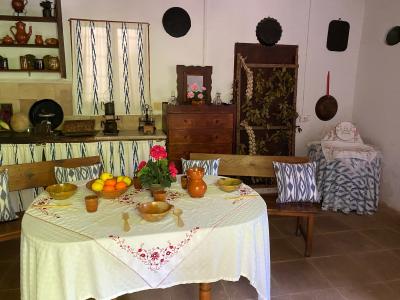
Bunyola
More Fotos