What local materials are commonly used in the architecture of Mallorca?
Similar Topics
Mallorca architecture
local materials Mallorca
marés stone
teja roof tiles
wrought iron balconies
wooden beams Mallorca
historic structures Mallorca
traditional buildings Mallorca
Mallorca cultural identity
Mallorca travel guide
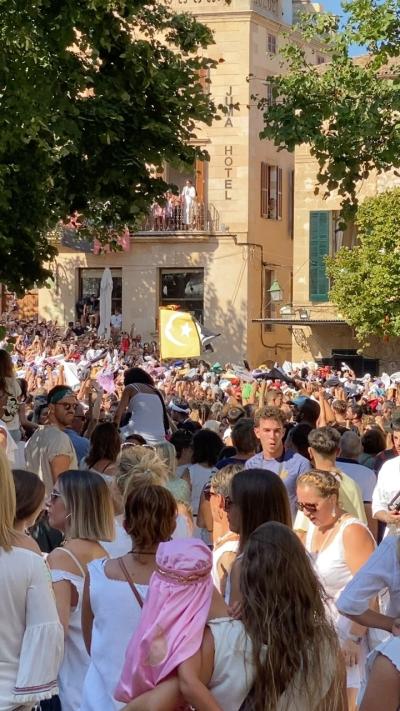
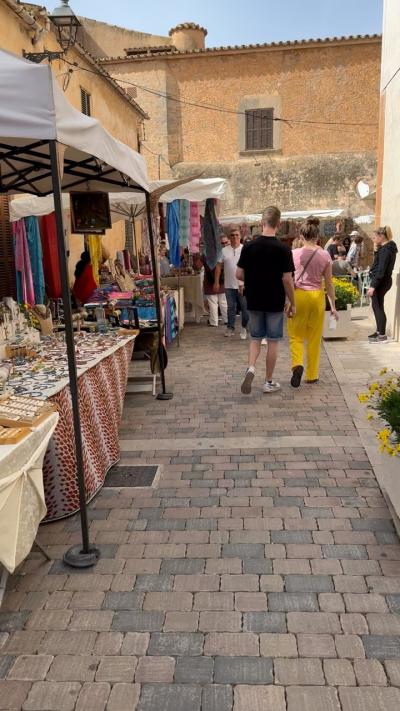
Mallorca's architecture beautifully reflects its rich history and local resources, with stone being the most prominent material. The island is renowned for its warm, golden limestone, known as "marés," which has been quarried locally for centuries. This durable stone is often used in the construction of traditional buildings, giving them a unique and rustic charm that blends seamlessly with the surrounding landscape. Many historic structures, from charming village houses to the grand palaces in Palma, showcase this distinctive stonework, which not only provides an aesthetic appeal but also helps to regulate temperature, keeping interiors cool during the hot summer months.
In addition to marés, clay tiles play an essential role in Mallorca's architectural style. The traditional "teja" roof tiles, typically made from local clay, are characterized by their reddish hue and are often seen adorning the rooftops of both rural farmhouses and urban buildings. These tiles not only add to the island's picturesque skyline but also serve practical purposes, as their design allows rainwater to run off effectively, protecting the structures beneath. Furthermore, the use of wrought iron for balconies and window grilles adds an artistic touch to many homes, often featuring intricate designs that echo the island's artistic heritage.
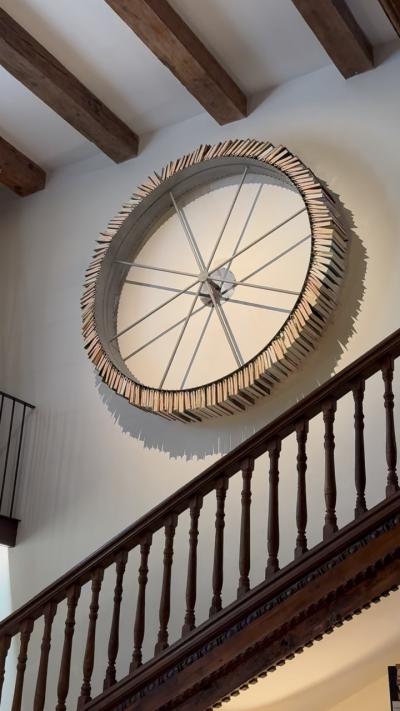
Wood is another local material that has been widely used, particularly in the form of beams and doors. Many traditional Mallorcan homes feature exposed wooden beams, which not only provide structural support but also create a warm and inviting atmosphere. The use of locally sourced wood extends to furniture and decorative elements, further enhancing the island's rustic aesthetic. Together, these materials create a harmonious blend of functionality and beauty, reflecting Mallorca's cultural identity and deep connection to its natural surroundings. Visitors to the island can truly appreciate how these elements come together in the architecture, telling the story of a place shaped by its landscape and history.
In addition to marés, clay tiles play an essential role in Mallorca's architectural style. The traditional "teja" roof tiles, typically made from local clay, are characterized by their reddish hue and are often seen adorning the rooftops of both rural farmhouses and urban buildings. These tiles not only add to the island's picturesque skyline but also serve practical purposes, as their design allows rainwater to run off effectively, protecting the structures beneath. Furthermore, the use of wrought iron for balconies and window grilles adds an artistic touch to many homes, often featuring intricate designs that echo the island's artistic heritage.
Wood is another local material that has been widely used, particularly in the form of beams and doors. Many traditional Mallorcan homes feature exposed wooden beams, which not only provide structural support but also create a warm and inviting atmosphere. The use of locally sourced wood extends to furniture and decorative elements, further enhancing the island's rustic aesthetic. Together, these materials create a harmonious blend of functionality and beauty, reflecting Mallorca's cultural identity and deep connection to its natural surroundings. Visitors to the island can truly appreciate how these elements come together in the architecture, telling the story of a place shaped by its landscape and history.

More Fotos