How did architectural styles change on the island after the transition from Moorish to Christian rule?
Similar Topics
moorish architecture
christian architecture
palma cathedral
valldemossa
serra de tramuntana
la seu
gothic style
roman architecture
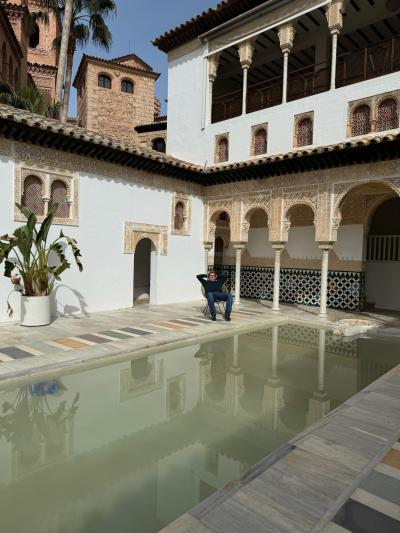
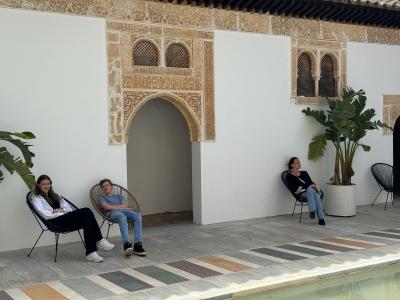
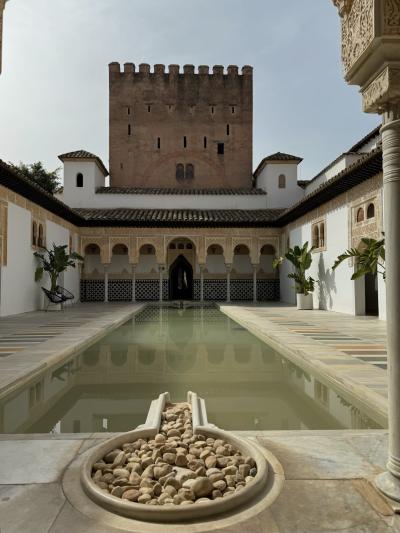
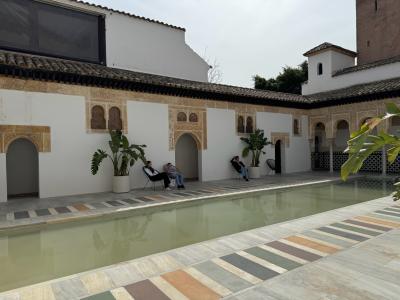
Locals here often point to Palma’s old town when discussing the profound shift in architecture following the end of Moorish control. The Arab era left a clear imprint, with features like horseshoe arches and intricate plasterwork seen in early fortifications and remnants around the Almudaina Palace. These details embodied a refined use of light and decorative geometry, reflecting the island’s Islamic artistic heritage.
When Christian powers established dominance, the island’s architecture gradually adopted new forms inspired by Romanesque and Gothic traditions. Palma Cathedral, or La Seu, stands as the prime example, with its soaring vaults, pointed arches, and colorful stained glass filling the interior with vivid biblical scenes. Unlike the abstract and geometric motifs of the previous era, Christian churches introduced figurative sculptures of saints and detailed altarpieces, reinforcing religious themes through narrative artistry.
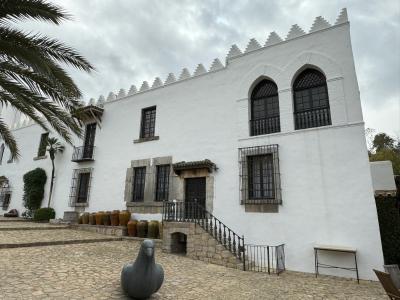
This transition was not just aesthetic but symbolic of broader cultural and religious changes on the island. Villages tucked in the Serra de Tramuntana, like Valldemossa and Deià, possess small chapels and stone houses that blend these influences, illustrating how local craftsmanship married Moorish subtly with Christian aspirations. Exploring these towns offers a vivid historical dialogue captured in stone, where each style reflects the island’s layered past.
When Christian powers established dominance, the island’s architecture gradually adopted new forms inspired by Romanesque and Gothic traditions. Palma Cathedral, or La Seu, stands as the prime example, with its soaring vaults, pointed arches, and colorful stained glass filling the interior with vivid biblical scenes. Unlike the abstract and geometric motifs of the previous era, Christian churches introduced figurative sculptures of saints and detailed altarpieces, reinforcing religious themes through narrative artistry.
This transition was not just aesthetic but symbolic of broader cultural and religious changes on the island. Villages tucked in the Serra de Tramuntana, like Valldemossa and Deià, possess small chapels and stone houses that blend these influences, illustrating how local craftsmanship married Moorish subtly with Christian aspirations. Exploring these towns offers a vivid historical dialogue captured in stone, where each style reflects the island’s layered past.

More Fotos