How different is Catalan from Spanish?
Similar Topics
Catalan language
Spanish language
Catalonia travel
linguistic diversity
Romance languages
Catalan pronunciation
Catalan vocabulary
bilingual regions
travel in Catalonia
cultural identity
Catalan and Spanish are both Romance languages that share a common Latin origin, but they have developed their own distinct identities over the centuries. Catalan is primarily spoken in Catalonia, the Balearic Islands, and Valencia, where it is referred to as Valencian. While many speakers of Catalan are bilingual and can communicate in Spanish, the two languages have notable differences in terms of pronunciation, vocabulary, and grammar. For instance, Catalan has a different set of vowel sounds and certain consonants are pronounced differently compared to their Spanish counterparts, which can make the languages sound quite unique to those unfamiliar with them.
In terms of vocabulary, you will find that although many words are similar due to their shared roots, there are also numerous terms that are completely different. For example, the word for "bread" is "pa" in Catalan and "pan" in Spanish. Additionally, Catalan has borrowed vocabulary from French and Occitan, reflecting its historical connections to these regions. Grammar also differs somewhat, with distinct rules for verb conjugation and the use of articles. In practical terms, this means that while a Spanish speaker might catch the gist of a Catalan conversation, they might struggle to understand it fully without prior exposure.
When traveling in Catalonia, you will notice that both languages are used in signage, official documents, and the media. This bilingual landscape underscores the region’s strong cultural identity and pride in its linguistic heritage. Engaging with locals in Catalan, even if just a few words or phrases, can enhance your travel experience and show respect for their customs. The vibrant culture, combined with the linguistic diversity, makes Catalonia a fascinating place to explore, where language is just one of the many ways the region expresses its unique character.
In terms of vocabulary, you will find that although many words are similar due to their shared roots, there are also numerous terms that are completely different. For example, the word for "bread" is "pa" in Catalan and "pan" in Spanish. Additionally, Catalan has borrowed vocabulary from French and Occitan, reflecting its historical connections to these regions. Grammar also differs somewhat, with distinct rules for verb conjugation and the use of articles. In practical terms, this means that while a Spanish speaker might catch the gist of a Catalan conversation, they might struggle to understand it fully without prior exposure.
When traveling in Catalonia, you will notice that both languages are used in signage, official documents, and the media. This bilingual landscape underscores the region’s strong cultural identity and pride in its linguistic heritage. Engaging with locals in Catalan, even if just a few words or phrases, can enhance your travel experience and show respect for their customs. The vibrant culture, combined with the linguistic diversity, makes Catalonia a fascinating place to explore, where language is just one of the many ways the region expresses its unique character.
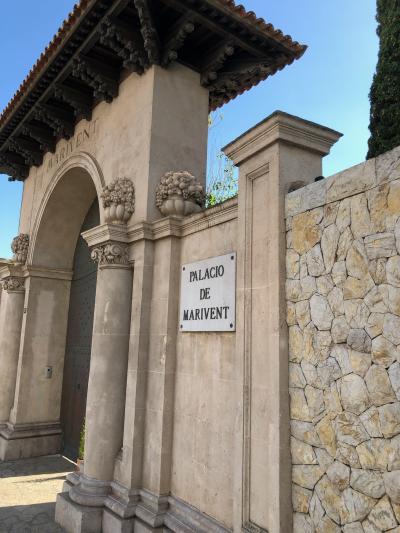
ses Illetes
More Fotos