How does traditional Mallorcan architecture reflect the island's cultural history?
Similar Topics
mallorca architecture
serra de tramuntana
valldemossa houses
mallorca farmhouses
possessions of mallorca
pollenca church
alcudia heritage
balearic style
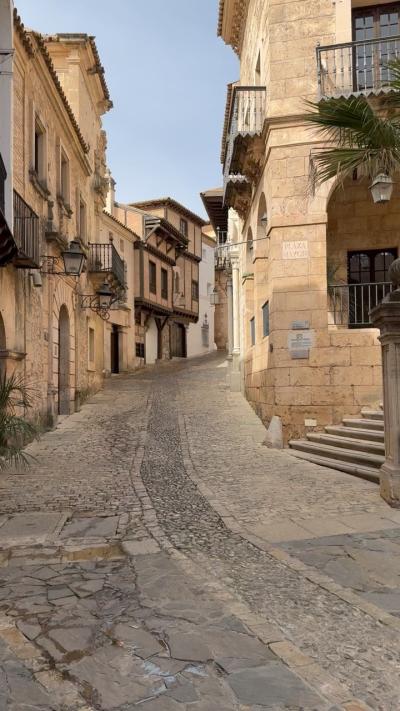
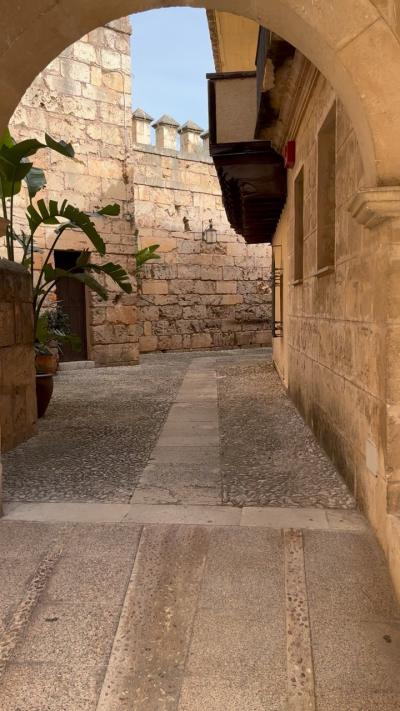
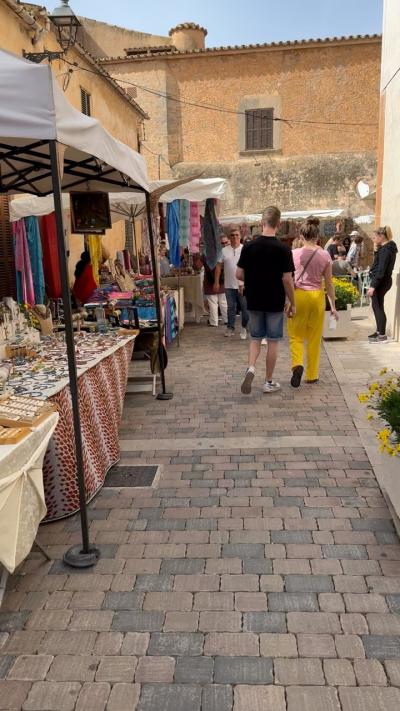
Wandering through the villages of the Serra de Tramuntana, the sturdy stone houses with their simple lines and terracotta roofs tell stories of a rugged past shaped by both the land and the sea. Traditional Mallorcan architecture reflects centuries of adaptation to the island’s Mediterranean climate and lifestyle. Thick stone walls keep interiors cool during blazing summers, while small, shuttered windows protect against winter winds and sun glare. This balance of form and function mirrors the islanders’ close relationship with their environment, blending practicality with the quiet beauty of rural life.
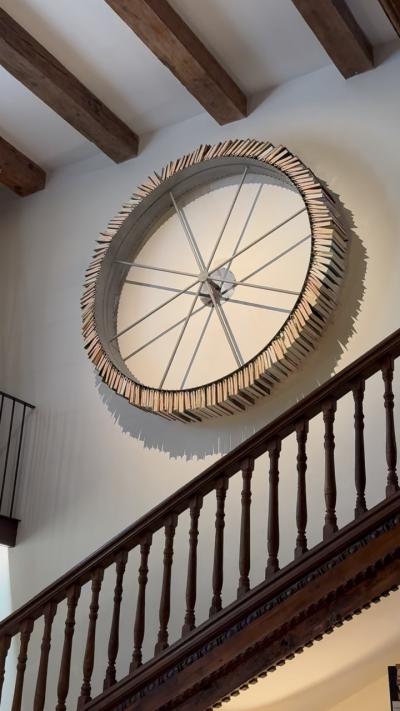
In towns like Valldemossa and Deià, you’ll notice how farmhouses cluster around shady courtyards or wells, spaces designed for communal work and family gatherings, echoing the island’s strong traditions of community and agrarian life. Rustic wooden beams and wrought iron details often reveal artisanal craftsmanship passed down through generations. Fortified manor houses, known as "possessions," reveal a history of landownership and defense, especially important during times of pirate raids or political unrest.
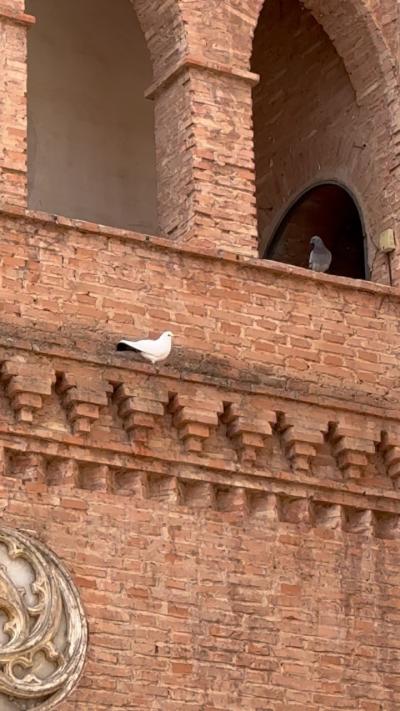
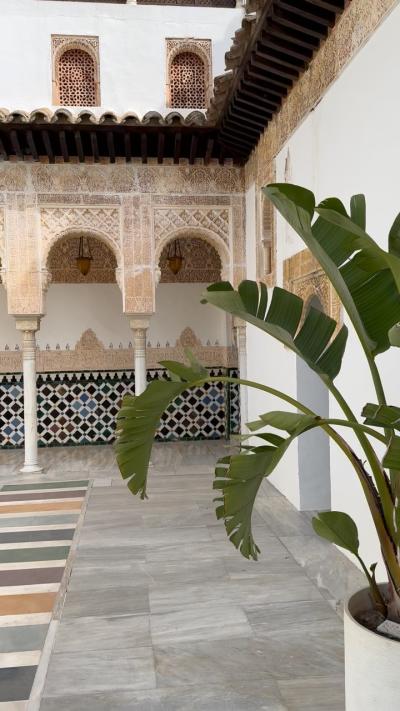
Religious buildings such as the simple parish churches in Pollenca or Alcudia blend Gothic and Baroque elements but remain deeply rooted in local materials, their bell towers punctuating the skyline just as olive groves and vineyards mark the land. This architectural heritage reveals the island’s cultural layers—Renaissance, Moorish, and Catalan influences—that together create the distinctive character of the Balearics. Exploring these sites unveils more than just stone and mortar; it’s a glimpse into the island’s enduring identity and the resilient spirit of its people.
In towns like Valldemossa and Deià, you’ll notice how farmhouses cluster around shady courtyards or wells, spaces designed for communal work and family gatherings, echoing the island’s strong traditions of community and agrarian life. Rustic wooden beams and wrought iron details often reveal artisanal craftsmanship passed down through generations. Fortified manor houses, known as "possessions," reveal a history of landownership and defense, especially important during times of pirate raids or political unrest.
Religious buildings such as the simple parish churches in Pollenca or Alcudia blend Gothic and Baroque elements but remain deeply rooted in local materials, their bell towers punctuating the skyline just as olive groves and vineyards mark the land. This architectural heritage reveals the island’s cultural layers—Renaissance, Moorish, and Catalan influences—that together create the distinctive character of the Balearics. Exploring these sites unveils more than just stone and mortar; it’s a glimpse into the island’s enduring identity and the resilient spirit of its people.
More Fotos