Are there any parts of Mallorca's seafront promenades that are difficult to access for people with mobility issues?
Similar Topics
promenade accessibility
mobility issues
palma promenade
es trenc beach
cala mondrago
formentor peninsula
accessible restrooms
tib bus
Sunrise and early mornings tend to be the quietest and easiest times to enjoy Mallorca's coastal promenades, especially for those with mobility concerns. Towns like Palma and Alcudia have stretches along the waterfront that are generally well-maintained and flat, but some sections in older harbors or natural coves can be trickier. For example, parts of the promenade near Port de Sóller have uneven stone paving and inclines due to the town's hilly setting, which may present challenges for wheelchair users or those relying on walking aids.
Many promenades, such as those running along the beaches of Cala Mondragó or the Formentor peninsula, include ramps and gradual slopes designed to improve accessibility. However, cobblestones are common in historic areas like Pollença’s old marina, and certain curbs or steps remain without modern adaptations. The narrow paths around some rocky coves, like Cala Llombards, are generally unsuitable for anyone who requires smooth, level surfaces.
During summer festivals such as Nit de Foc in Palma or the Fiesta de Sant Bartomeu in Sóller, crowds can make navigating any promenade more challenging. Businesses and local authorities continue to improve facilities, including accessible restrooms and designated parking spaces close to beaches like Es Trenc. Before heading out, consulting the TIB bus network’s accessibility information or asking at local tourist offices in towns like Valldemossa or Manacor can help in planning routes that suit individual needs. Taking your time and choosing less busy hours ensures a more comfortable and enjoyable stroll along these beautiful waterfronts.
Many promenades, such as those running along the beaches of Cala Mondragó or the Formentor peninsula, include ramps and gradual slopes designed to improve accessibility. However, cobblestones are common in historic areas like Pollença’s old marina, and certain curbs or steps remain without modern adaptations. The narrow paths around some rocky coves, like Cala Llombards, are generally unsuitable for anyone who requires smooth, level surfaces.
During summer festivals such as Nit de Foc in Palma or the Fiesta de Sant Bartomeu in Sóller, crowds can make navigating any promenade more challenging. Businesses and local authorities continue to improve facilities, including accessible restrooms and designated parking spaces close to beaches like Es Trenc. Before heading out, consulting the TIB bus network’s accessibility information or asking at local tourist offices in towns like Valldemossa or Manacor can help in planning routes that suit individual needs. Taking your time and choosing less busy hours ensures a more comfortable and enjoyable stroll along these beautiful waterfronts.
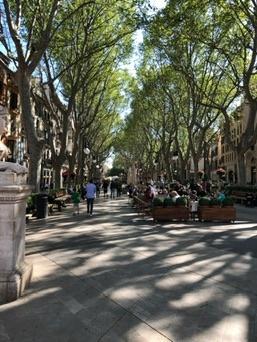
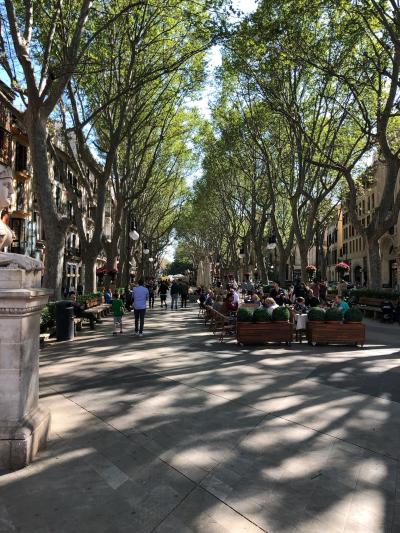
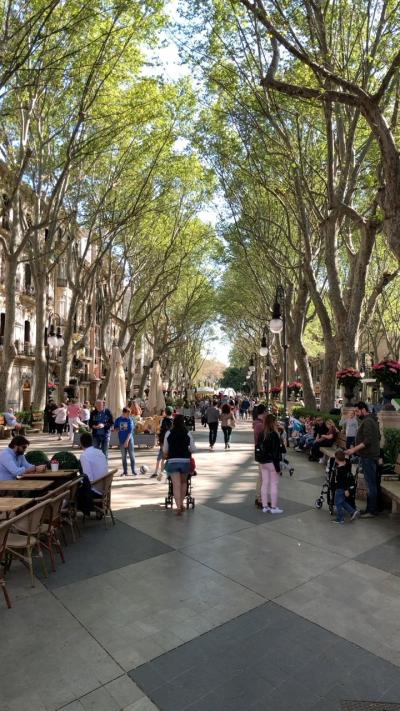
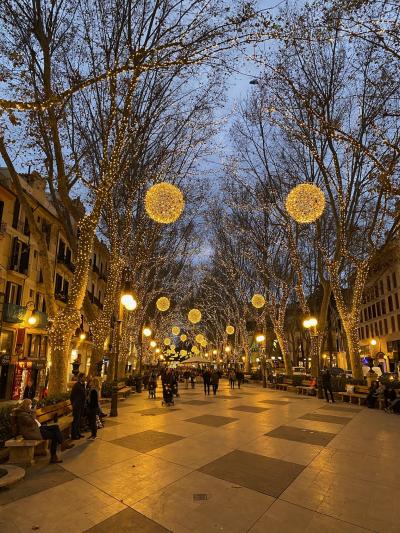
Palma
More Fotos



Related Questions
Related Question
Are there live music and other entertainment events during Mallorca’s local festivals?
Related Question
What historical landmarks should I visit along the route when exploring Mallorca?
Related Question
How does the beach atmosphere shift from the height of summer to early autumn around Mallorca?