Are there hiking trails on Mallorca that lead to historical sites or landmarks?
Similar Topics
hiking trails
historical sites
serra de tramuntana
pollenca
castell d’alaró
soller railway
binissalem wine
pa amb oli
Some of the most rewarding hikes combine stunning landscapes with a touch of history, and the Serra de Tramuntana is full of such routes. Trails near Valldemossa and Deia wind past ancient stone terraces, historic fincas, and remnants of Moorish watchtowers. Venturing along paths to the Castell d’Alaró reveals medieval fortress ruins perched on a hilltop, offering both a sense of history and panoramic views.
On the north coast, gentle hikes around Pollenca lead you to the Roman bridge and the Calvari steps, a local pilgrimage site with an intriguing backstory. Near Alcudia, several walks take you through archaeological sites from Roman times and even earlier, blending cultural heritage with natural beauty. The Soller railway route is also a picturesque option, connecting Palma with a town where old mills and traditional architecture tell the story of the island’s rural past.
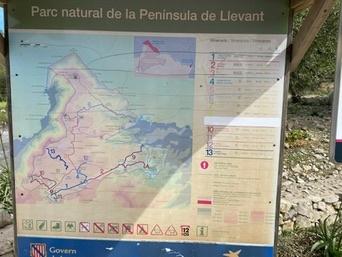
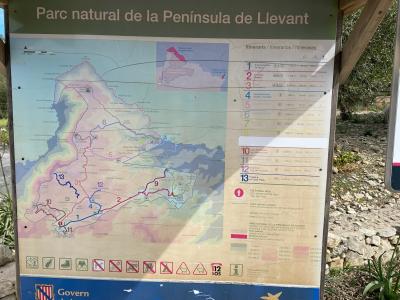
For those eager to follow marked trails with historical markers, the island’s network managed by local tourist offices and hiking associations provides maps detailing both natural and cultural landmarks. Along the Ma-10 road, you can uncover ancient pathways that locals have used for centuries, passing by vineyards producing celebrated Binissalem wine, as well as traditional towns where time-honored customs are still alive. Combining these hikes with sampling local specialties like pa amb oli or a glass of Hierbas creates a richer experience of the island’s heritage and charm.
On the north coast, gentle hikes around Pollenca lead you to the Roman bridge and the Calvari steps, a local pilgrimage site with an intriguing backstory. Near Alcudia, several walks take you through archaeological sites from Roman times and even earlier, blending cultural heritage with natural beauty. The Soller railway route is also a picturesque option, connecting Palma with a town where old mills and traditional architecture tell the story of the island’s rural past.
For those eager to follow marked trails with historical markers, the island’s network managed by local tourist offices and hiking associations provides maps detailing both natural and cultural landmarks. Along the Ma-10 road, you can uncover ancient pathways that locals have used for centuries, passing by vineyards producing celebrated Binissalem wine, as well as traditional towns where time-honored customs are still alive. Combining these hikes with sampling local specialties like pa amb oli or a glass of Hierbas creates a richer experience of the island’s heritage and charm.
More Fotos