How do traditional fishing methods in Mallorca affect the island's seafood selection?
Similar Topics
local fishing methods
mallorca seafood
sustainable fishing
mallorca fish markets
tramuntana coast
lampara fishing mallorca
seafood sustainability
alcudia fishing
Coastal communities along Mallorca’s north and east shores maintain fishing traditions that deeply shape the island’s fresh seafood offerings. In towns like Alcudia and Pollenca, fishermen still use small boats and techniques passed down through generations, targeting species sensitive to seasonal cycles to protect stocks. This cautious approach helps preserve local varieties such as red mullet and sea bream, ensuring availability aligns with natural breeding periods.
Night fishing with lights, reminiscent of Mediterranean lampara methods, can sometimes be seen near ports like Port de Soller, attracting sardines and anchovies. These catches frequently supply local markets shortly after dawn, making them a showpiece of freshness. Strict seasonal restrictions around marine reserves near the Cabrera archipelago also play a role, limiting catch during spawning seasons to support sustainability.
Visiting fish markets in Palma or Manacor offers insight into the fluctuating selection that reflects both tradition and regulation. You will find specialties like caldereta de llagosta, lobster stew, made possible by careful management of shellfish harvests in the Tramuntana’s coves. These local practices maintain a close connection between fishermen, their environment, and Mallorca’s culinary heritage, turning each fresh catch into a story on the plate.
Night fishing with lights, reminiscent of Mediterranean lampara methods, can sometimes be seen near ports like Port de Soller, attracting sardines and anchovies. These catches frequently supply local markets shortly after dawn, making them a showpiece of freshness. Strict seasonal restrictions around marine reserves near the Cabrera archipelago also play a role, limiting catch during spawning seasons to support sustainability.
Visiting fish markets in Palma or Manacor offers insight into the fluctuating selection that reflects both tradition and regulation. You will find specialties like caldereta de llagosta, lobster stew, made possible by careful management of shellfish harvests in the Tramuntana’s coves. These local practices maintain a close connection between fishermen, their environment, and Mallorca’s culinary heritage, turning each fresh catch into a story on the plate.
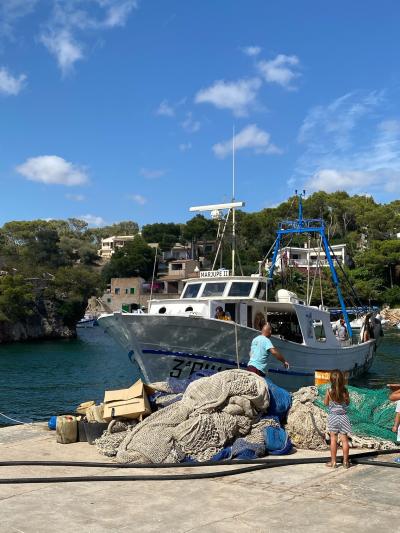
Cala Figuera
More Fotos



Related Questions
Related Question
What is the frequency of buses traveling to Valldemossa from Palma?
Related Question
Where can I find information about last-minute cultural events or performances when visiting Palma or nearby towns?
Related Question
What are the peak hours when buses in Palma tend to be the busiest?