How does the atmosphere at a traditional Mallorcan eatery reflect the island's local culture?
Similar Topics
mallorca dining
pa amb oli
binissalem wine
serra de tramuntana
soller restaurants
mallorca traditions
sobrassada dish
local food culture
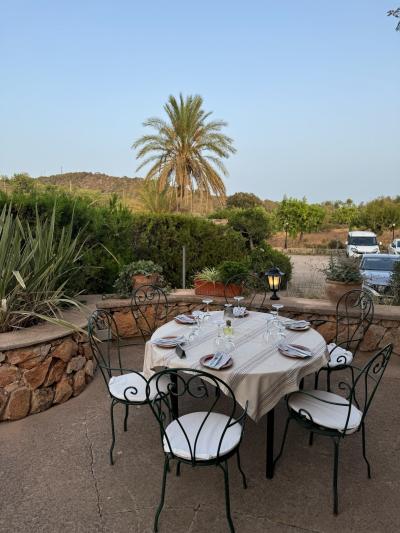
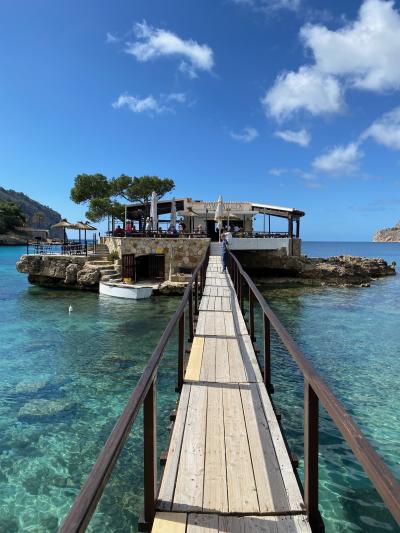
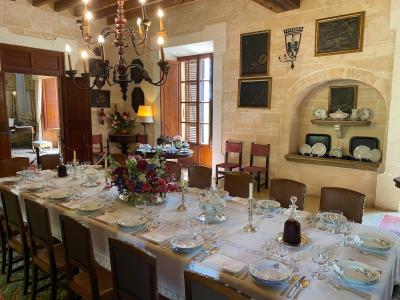
Locals tend to favor small, family-run restaurants over tourist hotspots, especially in towns like Valldemossa or Soller, where the pace of life is slower and the connection to tradition stronger. These humble establishments often have a welcoming, lived-in feel, with terracotta floors and simple wooden furnishings that speak to the island’s rural heritage. The buzz of quiet conversation blends with the clatter of dishes, making for a convivial yet unpretentious atmosphere where neighbors catch up over glasses of thick red Binissalem wine or a chilled Palo.
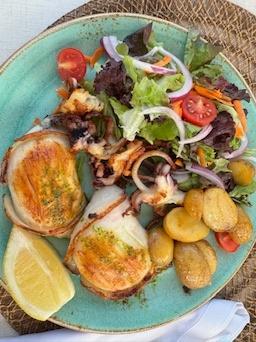
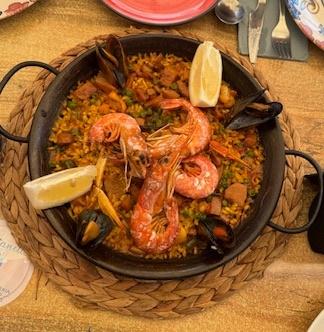
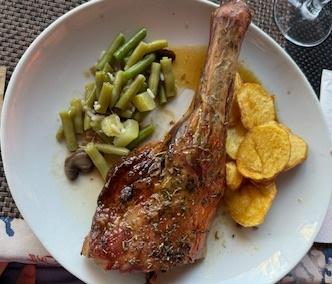
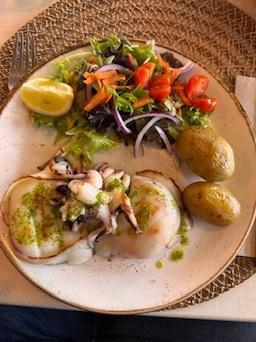
Menus typically highlight Mallorcan staples such as pa amb oli—rustic bread rubbed with ripe tomatoes and drizzled with local olive oil—alongside dishes like tumbet or sobrassada that reflect centuries-old recipes. Many diners linger over their meals, savoring not just the food but the relaxed rhythm of the evening, where time slows down with the fading light behind the Serra de Tramuntana. Staff, often members of the family who own the place, are happy to share stories about the dishes and the traditions that underpin them, deepening the experience.
Throughout the island, from coastal spots near Cala Mondrago to mountain villages like Deia, live folk music or the strains of a guitar might accompany special events, echoing the vibrant cultural calendar. Whether enjoying a festive night during Sant Sebastià in Palma or a quiet afternoon tasting Hierbas liqueur by the sea, these gatherings weave food, drink, and conviviality into a celebration of local identity. At a traditional Mallorcan eatery, the atmosphere is not just about dining but immersing yourself in the cultural warmth that defines this island’s way of life.
Menus typically highlight Mallorcan staples such as pa amb oli—rustic bread rubbed with ripe tomatoes and drizzled with local olive oil—alongside dishes like tumbet or sobrassada that reflect centuries-old recipes. Many diners linger over their meals, savoring not just the food but the relaxed rhythm of the evening, where time slows down with the fading light behind the Serra de Tramuntana. Staff, often members of the family who own the place, are happy to share stories about the dishes and the traditions that underpin them, deepening the experience.
Throughout the island, from coastal spots near Cala Mondrago to mountain villages like Deia, live folk music or the strains of a guitar might accompany special events, echoing the vibrant cultural calendar. Whether enjoying a festive night during Sant Sebastià in Palma or a quiet afternoon tasting Hierbas liqueur by the sea, these gatherings weave food, drink, and conviviality into a celebration of local identity. At a traditional Mallorcan eatery, the atmosphere is not just about dining but immersing yourself in the cultural warmth that defines this island’s way of life.
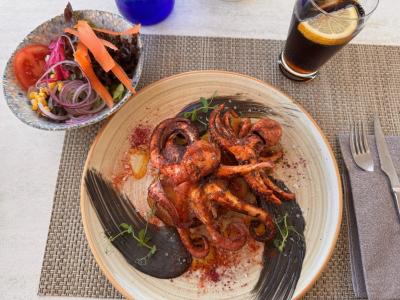
Cala Figuera
More Fotos