What is the history behind the Artà caves?
- Artà Caves
- Cuevas de Artà
- Mallorca tourism
- Natural attractions Mallorca
- Prehistoric caves
- Bronze Age history
- Stalactites and stalagmites
- Cave exploration
- Cultural heritage Mallorca
- Mallorca travel
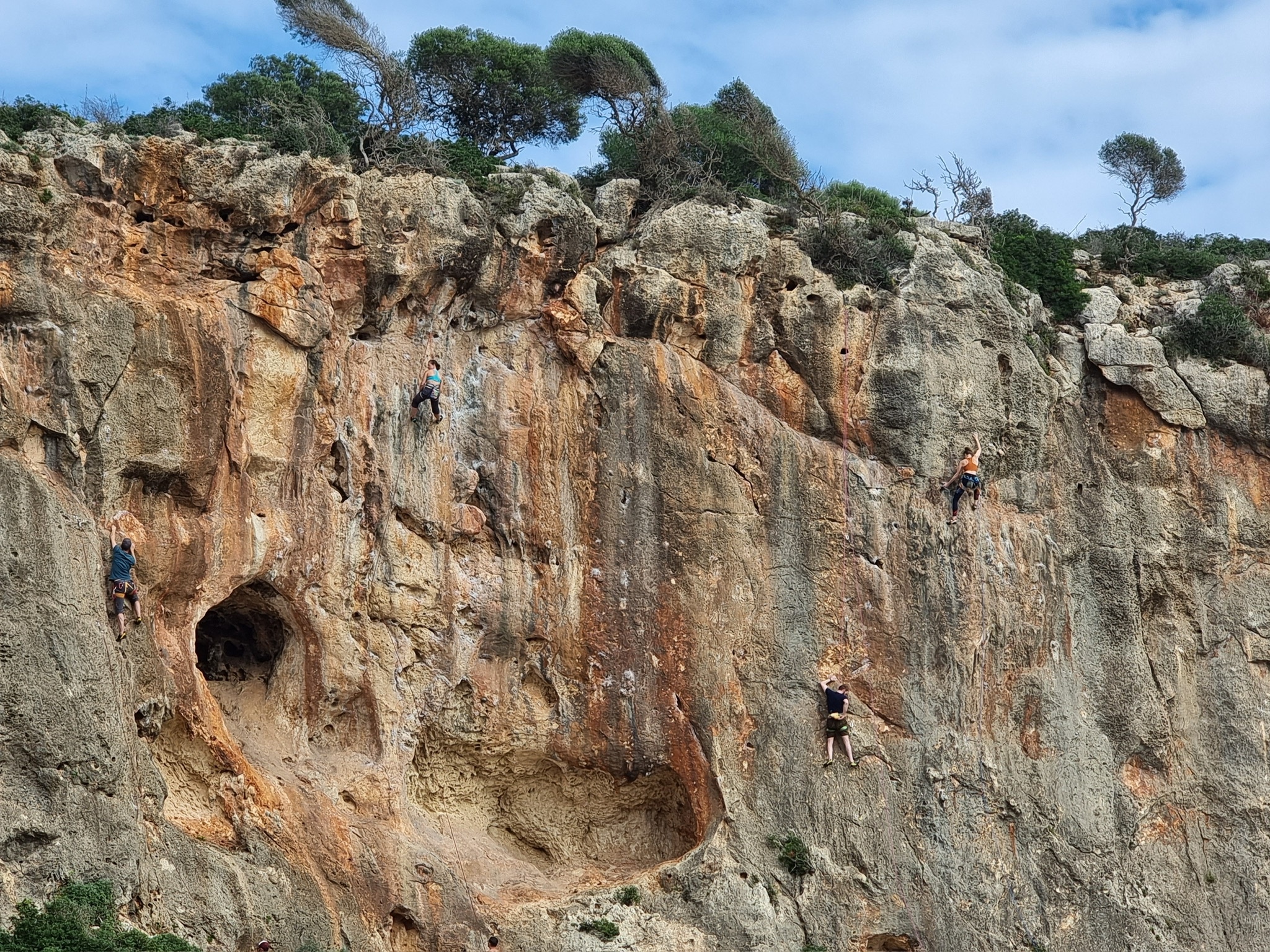
The Artà Caves, known as Cuevas de Artà, are a stunning natural attraction located on the eastern coast of Mallorca, Spain. These caves are believed to have formed around 10 million years ago through the gradual erosion of limestone by water, resulting in striking stalactites and stalagmites that captivate visitors today. The caves were first discovered in 1876 by local farmers, and since then, they have been a popular destination for both tourists and locals alike, showcasing the island's geological wonders.
One of the most fascinating aspects of the Artà Caves is their historical significance. Archaeological findings suggest that the caves were used as a shelter by prehistoric humans, with evidence of habitation dating back to the Bronze Age. This rich history adds a layer of intrigue to the experience, as visitors can appreciate not only the natural beauty but also the connection to the island's ancient past. The caves were later opened to the public in the early 20th century, and since then, they have been enhanced with walkways and lighting to allow guests to explore their depths safely.
As you wander through the caves, you'll encounter various chambers, each with its own unique formations and ambiance. The largest chamber, known as the "Cathedral," features impressive acoustics, which have inspired performances of classical music over the years. The Artà Caves not only offer a glimpse into the natural world but also serve as a reminder of the island's rich cultural heritage, making them a must-visit for anyone traveling to Mallorca.