What building materials were used in the construction of Palma Cathedral?
- Palma cathedral
- La seu
- Serra de tramuntana
- Balearic ceramics
- Gothic architecture
- Stained glass mallorca
- Wrought iron details
- Artisan woodworking
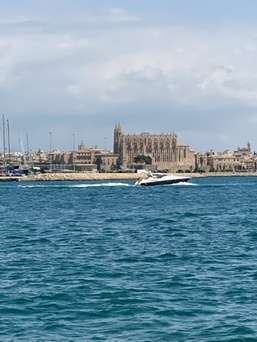
The construction of Palma Cathedral, also known as La Seu, primarily features golden sandstone quarried from the nearby Serra de Tramuntana mountains. This local stone gives the cathedral its distinctive warm hue and has weathered centuries of Mediterranean sun and sea air. Builders also employed limestone in several structural and decorative elements, enhancing the stonework’s texture and durability across its soaring Gothic arches and buttresses.
Inside, vibrant stained glass windows bathe the interior in kaleidoscopic light, a hallmark of the cathedral’s design that reflects both religious symbolism and artistic flourish. The intricate mosaics and tilework at the altar and chapels incorporate ceramic techniques typical of Balearic craftsmanship, adding color and pattern that draw visitors into the sacred space. Wrought iron grilles and lanterns punctuate the design, echoing natural motifs found in the island’s flora and reinforcing connections to the surrounding landscape.
Wood is used extensively in the choir stalls and intricately carved altarpieces, crafted from local timbers and showcasing Mallorca’s tradition of artisanal woodworking. These elements complement the stonework, contributing to an interior atmosphere that balances grandeur with warmth. Overall, Palma Cathedral’s materials are a testament to the island’s natural resources and artisanal heritage, combining durability with artistic detail to make it a symbol of Mallorca’s history and faith.