What is the significance of Son Abrines in Miró's life?
Similar Topics
Son Abrines
Joan Miró
Mallorca
Balearic Islands
artistic inspiration
modern art
Mediterranean landscape
creative retreat
art legacy
rural life
Son Abrines holds a special place in the life of the renowned artist Joan Miró, serving as both a sanctuary and a source of inspiration. This picturesque farmhouse, located in the serene countryside of Mallorca, became Miró's retreat in the 1950s, where he sought solace from the bustling art world. The tranquil surroundings and stunning landscapes of the Balearic Islands provided a perfect backdrop for his creative process, allowing him to immerse himself fully in his work. It was here that he created some of his most celebrated pieces, drawing from the vibrant colors and forms of nature that surrounded him.
The significance of Son Abrines extends beyond its role as a creative space; it symbolizes a turning point in Miró’s artistic journey. After years of living in the shadow of avant-garde movements and urban life, the farmhouse offered him a chance to reconnect with his roots and explore new artistic directions. The simplicity of rural life and the beauty of the Mediterranean landscape inspired him to experiment with organic shapes and bold colors, reflecting the essence of the island. This period of his life marked a profound transformation in his work, solidifying his reputation as a leader in modern art.
Visiting Son Abrines today allows travelers to appreciate not only the beauty of the location but also to understand the profound impact it had on Miró's artistic development. The farmhouse remains a testament to his legacy, with its surrounding gardens and views embodying the spirit of creativity that flourished there. For art enthusiasts and casual visitors alike, exploring Miró's connection to Son Abrines offers a deeper insight into the life and inspirations of one of the 20th century's most influential artists.
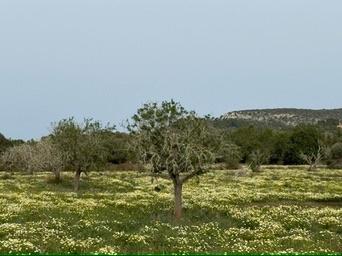
Cas Concos des Cavaller
More Fotos



Related Questions
Related Question
What unique traditions and rituals can visitors experience during festivals on the island?
Related Question
Are there any local legends or stories connected to cultural sites in Valldemossa?
Related Question
What wildlife and natural sights can I see when cycling along Mallorca’s coast?