How does Palma Cathedral compare to other famous cathedrals in Spain?
Similar Topics
palma cathedral
la seu
gothic architecture
gaudí restoration
almudaina palace
sant sebastià
balearic cathedrals
spanish religious sites
Locals in Palma tend to see the Cathedral of Santa Maria, known as La Seu, as a defining symbol of their city rather than just a tourist attraction. Rising dramatically above the Parc de la Mar on the Bay of Palma, its soaring Gothic nave and striking sandstone façade set it apart from other Spanish cathedrals. Unlike the heavier, more fortified appearance of Toledo’s cathedral, La Seu balances grandeur with an airy elegance, enhanced by the Mediterranean light that floods its interior through large stained-glass windows.
The influence of Antoni Gaudí, who worked on restoration projects in the early 20th century, adds a Modernist flair not often found in Spain’s predominantly medieval cathedrals. The blend of styles recalls Palma’s layered history, similar yet distinct from the Moorish hints found in Seville’s Giralda or the ornate facades of Barcelona’s cathedral. The cathedral’s location next to the Almudaina Palace fortifies its medieval character, anchoring a seamless connection between religious and royal heritage.
Visiting La Seu is also about experiencing the vibrant scene of Palma’s old town, where local markets, cafes, and plazas spill into the streets, much like the festive atmosphere surrounding the Sant Sebastià celebrations nearby. While not as massive as Seville’s or as richly decorated as Toledo’s, the cathedral’s unique positioning, historical links, and subtle artistic flourishes create a distinct impression that resonates deeply with both islanders and travellers exploring the Balearic capital.
The influence of Antoni Gaudí, who worked on restoration projects in the early 20th century, adds a Modernist flair not often found in Spain’s predominantly medieval cathedrals. The blend of styles recalls Palma’s layered history, similar yet distinct from the Moorish hints found in Seville’s Giralda or the ornate facades of Barcelona’s cathedral. The cathedral’s location next to the Almudaina Palace fortifies its medieval character, anchoring a seamless connection between religious and royal heritage.
Visiting La Seu is also about experiencing the vibrant scene of Palma’s old town, where local markets, cafes, and plazas spill into the streets, much like the festive atmosphere surrounding the Sant Sebastià celebrations nearby. While not as massive as Seville’s or as richly decorated as Toledo’s, the cathedral’s unique positioning, historical links, and subtle artistic flourishes create a distinct impression that resonates deeply with both islanders and travellers exploring the Balearic capital.

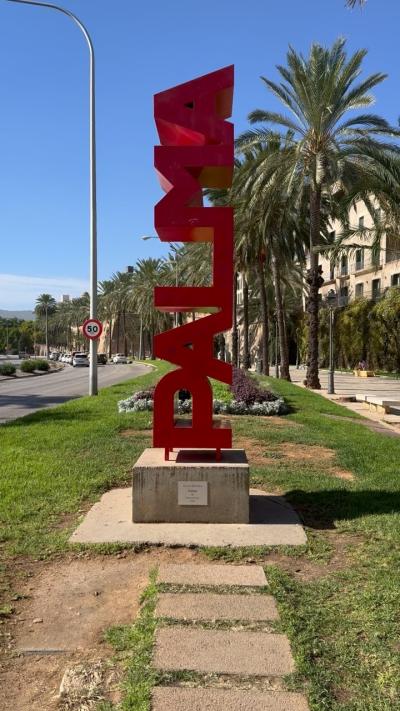
Palma
More Fotos


Related Questions
Related Question
What other archaeological sites can I explore near Palma and the Serra de Tramuntana?
Related Question
Where can I find rooftop bars in Palma that feature live music or entertainment?
Related Question
How easy is it for visitors who don't speak Catalan or Spanish to get around and enjoy Mallorca?