How did Moorish rule influence Mallorca's cultural and historical development?
Similar Topics
moorish influence
palma old town
serra de tramuntana
local cuisine
sant sebastia festival
binissalem wine
valldemossa
mallorca agriculture
If you're exploring Palma's old town or the hilltop village of Valldemossa, you'll notice the subtle yet enduring marks left by Moorish presence. Arriving in the early 8th century, the Moors introduced advanced irrigation techniques that transformed Mallorca's agriculture, enabling the cultivation of citrus fruits, almonds, and olives that remain staples of the local landscape today. This agricultural legacy underpinned the island's economy and helped diversify its culinary traditions, evident in dishes like tumbet, which highlight Mediterranean flavors enriched by centuries of cultural exchange.
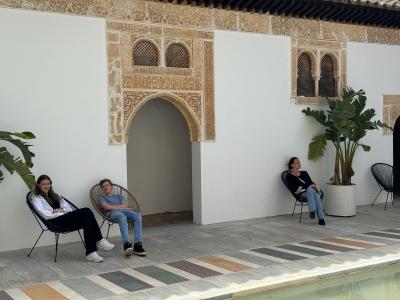
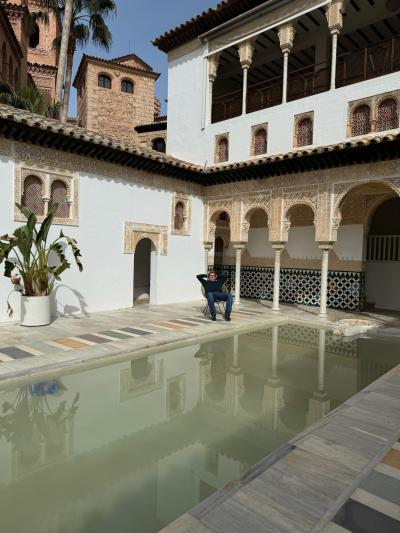
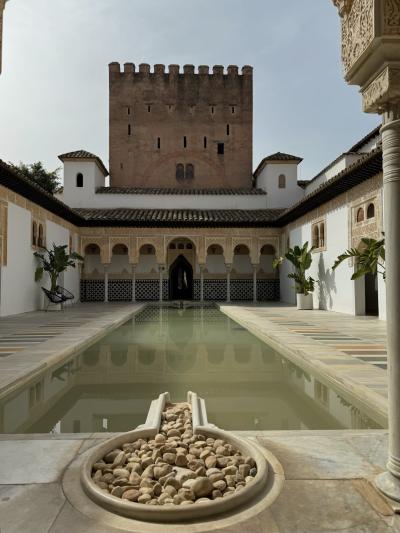
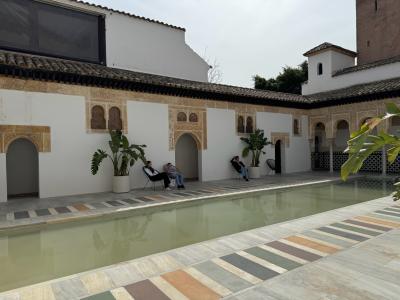
Architectural elements influenced by Moorish design still punctuate towns across the island. Narrow winding streets, intricate tile work, and garden layouts in Palma reflect this heritage, alongside ancient structures that incorporate delicate arches and courtyards reminiscent of Islamic art. The synthesis of Christian and Moorish artistic traditions is also visible in religious buildings and rural fincas scattered through the Serra de Tramuntana.
Culturally, the Moors' impact extended beyond farming and architecture to language, crafts, and music — weaving a rich fabric of influences that continue to resonate during local festivals like Sant Sebastià in Palma and the Festa de l’Ametler in the Tramuntana foothills. Sampling local specialties, such as sobrassada paired with Binissalem wine or savoring an ensaimada after a day on the beaches at Cala Mondragó, connects you with this deep-rooted history. The story of Moorish Mallorca is one of adaptation and blending, shaping the island's identity across centuries and enriching every corner you visit.
Architectural elements influenced by Moorish design still punctuate towns across the island. Narrow winding streets, intricate tile work, and garden layouts in Palma reflect this heritage, alongside ancient structures that incorporate delicate arches and courtyards reminiscent of Islamic art. The synthesis of Christian and Moorish artistic traditions is also visible in religious buildings and rural fincas scattered through the Serra de Tramuntana.
Culturally, the Moors' impact extended beyond farming and architecture to language, crafts, and music — weaving a rich fabric of influences that continue to resonate during local festivals like Sant Sebastià in Palma and the Festa de l’Ametler in the Tramuntana foothills. Sampling local specialties, such as sobrassada paired with Binissalem wine or savoring an ensaimada after a day on the beaches at Cala Mondragó, connects you with this deep-rooted history. The story of Moorish Mallorca is one of adaptation and blending, shaping the island's identity across centuries and enriching every corner you visit.

More Fotos