How do Mallorcan locals typically use the fresh produce and ingredients they buy from markets?
Similar Topics
local markets
sobrassada
ensaimada
pa amb oli
binissalem wine
serra de tramuntana
tumbet
festa de l'ametler
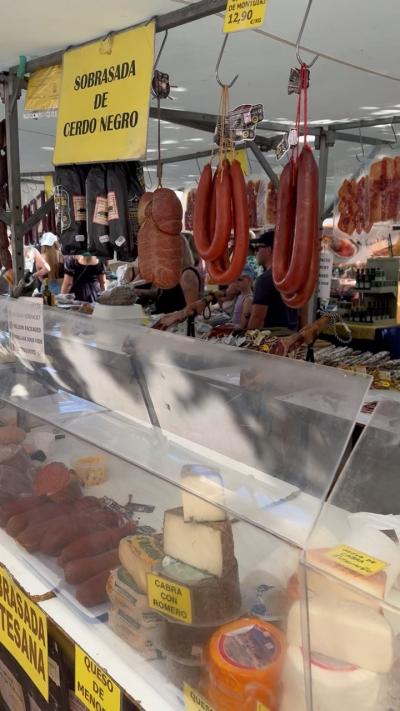
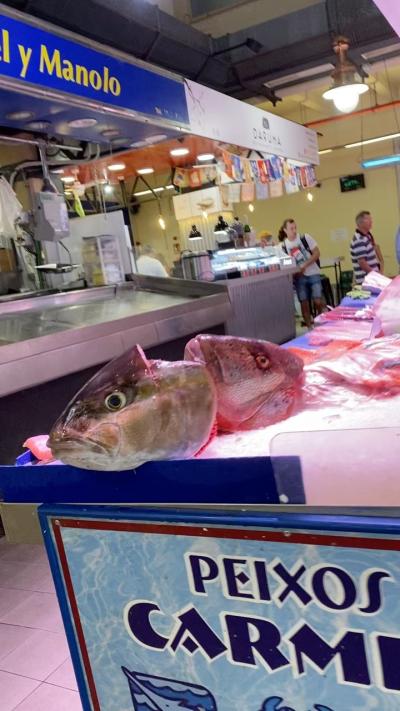
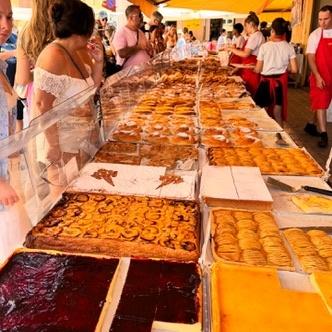
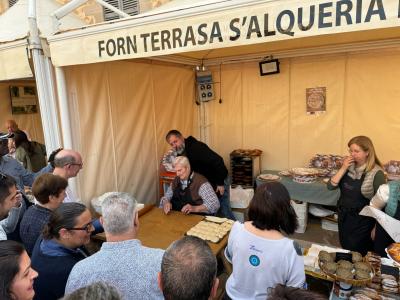
Picking up ingredients at bustling markets in towns like Palma, Soller, or Alcudia is a daily ritual for many here. Shoppers gravitate towards colorful stalls brimming with seasonal fruits, freshly baked ensaimadas, cured sobrassada, local cheeses, and the catch of the day from nearby coves such as Cala Mondrago. The conversational buzz between vendors and buyers often includes recipe tips or suggestions for pairing Binissalem wines or sipping Hierbas alongside a meal. This lively exchange grounds the importance of fresh, local food in everyday life.
In homes scattered across the Serra de Tramuntana foothills or coastal villages near Formentor, simple, traditional dishes shine. One might find freshly picked vegetables from market stalls turned into tumbet—a slow-cooked medley of aubergines, peppers, and tomatoes layered and drizzled with local olive oil. Fish grilled over an open flame or baked lightly with herbs showcases the island’s Mediterranean influences without overpowering the natural flavors. Pa amb oli, a humble yet iconic preparation of rustic bread rubbed with tomato and olive oil, often accompanies these meals, making market ingredients central to family tables.
Preserving the island’s culinary customs, many Mallorcans prepare meals seasonally and with patience. For example, after buying fresh almonds during the Festa de l'Ametler, producing marcona almond sweets becomes a family affair. During festivals like Sant Sebastià, markets fill with special offerings, prompting locals to stock up on preserved goods, spices, and sweets to share. The TIB bus network and the local Soller railway make it fairly easy to reach different markets across the island, encouraging residents and visitors alike to immerse themselves in this vibrant food culture.
In homes scattered across the Serra de Tramuntana foothills or coastal villages near Formentor, simple, traditional dishes shine. One might find freshly picked vegetables from market stalls turned into tumbet—a slow-cooked medley of aubergines, peppers, and tomatoes layered and drizzled with local olive oil. Fish grilled over an open flame or baked lightly with herbs showcases the island’s Mediterranean influences without overpowering the natural flavors. Pa amb oli, a humble yet iconic preparation of rustic bread rubbed with tomato and olive oil, often accompanies these meals, making market ingredients central to family tables.
Preserving the island’s culinary customs, many Mallorcans prepare meals seasonally and with patience. For example, after buying fresh almonds during the Festa de l'Ametler, producing marcona almond sweets becomes a family affair. During festivals like Sant Sebastià, markets fill with special offerings, prompting locals to stock up on preserved goods, spices, and sweets to share. The TIB bus network and the local Soller railway make it fairly easy to reach different markets across the island, encouraging residents and visitors alike to immerse themselves in this vibrant food culture.
Santanyí
More Fotos