Are there noticeable differences in how Catalan is spoken in Palma compared to rural Mallorcan villages?
Similar Topics
catalan dialects
palma catalan
mallorca language
rural catalan
mallorqui dialect
trastmountana language
balearic catalan
urban rural speech
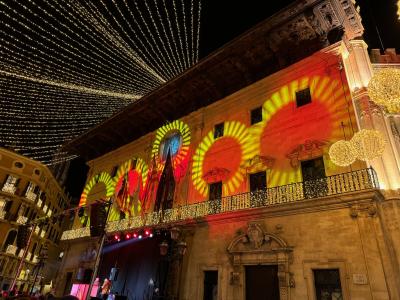
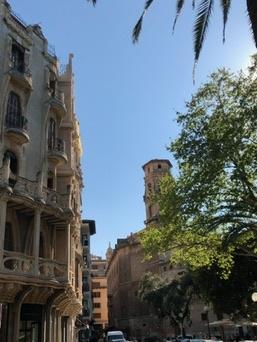
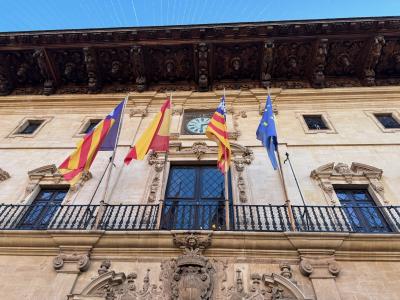
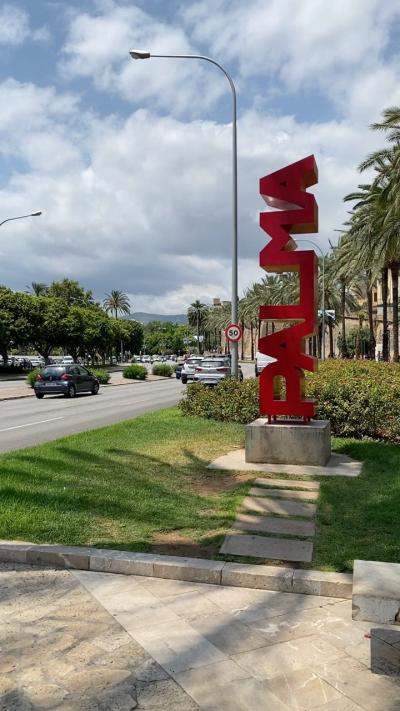
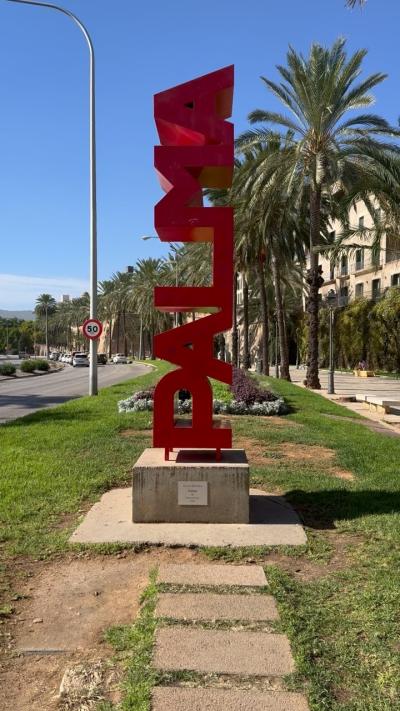
In Palma, the island’s vibrant capital, Catalan is often mixed with Castilian Spanish, reflecting the city’s diverse population and tourist influx. The local dialect here tends to have a quicker pace and incorporates some modern slang, influenced by younger generations and multilingual interactions. You might also hear elements of other languages, especially English and German, given the international crowd. This urban speech feels dynamic and cosmopolitan, mirroring Palma’s lively streets and cultural blend.
Outside the city, in villages such as Valldemossa, Deià, or Pollença, the way Catalan is spoken holds onto more traditional roots. The Mallorquí dialect in these rural areas has distinct phonetic characteristics and vocabulary not commonly heard in Palma. Locals often use idiomatic expressions tied to the island’s history and everyday life here. Speech is usually more measured and melodic, with a warmth that reflects tight-knit communities and a deep connection to the Tramuntana mountains and coastal countryside. This linguistic contrast highlights the island’s cultural richness, from urban modernity to rural heritage.
Outside the city, in villages such as Valldemossa, Deià, or Pollença, the way Catalan is spoken holds onto more traditional roots. The Mallorquí dialect in these rural areas has distinct phonetic characteristics and vocabulary not commonly heard in Palma. Locals often use idiomatic expressions tied to the island’s history and everyday life here. Speech is usually more measured and melodic, with a warmth that reflects tight-knit communities and a deep connection to the Tramuntana mountains and coastal countryside. This linguistic contrast highlights the island’s cultural richness, from urban modernity to rural heritage.
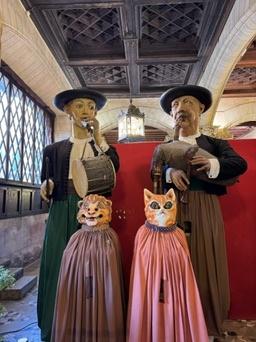
Palma
More Fotos