How do locals in Mallorca react when tourists don’t speak Spanish at restaurants?
Similar Topics
dining in mallorca
local hospitality
spanish language tips
catalan phrases
traditional mallorca food
tourist dining mallorca
es trenc restaurants
mallorca cultural tips
It’s common for island residents to approach dining with a relaxed warmth that doesn’t hinge on perfect language skills. In Palma and smaller towns like Pollenca or Alcudia, many restaurant staff are used to welcoming visitors who might not speak fluent Spanish—or even Catalan, the other local language. Basic English is often understood, especially in well-touristed spots along the Ma-19 or near popular beaches such as Es Trenc and Cala Mondrago. This means that even if you can’t carry on a detailed conversation, you’ll usually be greeted with friendliness and patience.
That said, making a small effort to learn a few phrases, like "Bon dia" or "Gràcies," can brighten interactions. Locals appreciate when diners show respect for their culture, particularly in family-owned eateries serving traditional fare like pa amb oli or tumbet. Trying to ask for recommendations in Catalan or Spanish might prompt servers to share tips about less-known vineyards around Binissalem or the best way to enjoy sobrassada. Beyond the practical benefits, such gestures often lead to warmer exchanges and a greater sense of connection, enhancing your experience on the island.
In places off the beaten path, say Deia or Valldemossa, where English is less common, any attempt at the language can open doors to stories and insights into local culinary traditions. Even if your vocabulary is limited, smiles and enthusiasm go a long way. Overall, visitors shouldn’t worry too much about language barriers; the joy of sharing a drink like Hierbas or Palo together transcends words. Locals understand that many come eager to enjoy their culture and, in return, meet you with genuine hospitality regardless of linguistic fluency.
That said, making a small effort to learn a few phrases, like "Bon dia" or "Gràcies," can brighten interactions. Locals appreciate when diners show respect for their culture, particularly in family-owned eateries serving traditional fare like pa amb oli or tumbet. Trying to ask for recommendations in Catalan or Spanish might prompt servers to share tips about less-known vineyards around Binissalem or the best way to enjoy sobrassada. Beyond the practical benefits, such gestures often lead to warmer exchanges and a greater sense of connection, enhancing your experience on the island.
In places off the beaten path, say Deia or Valldemossa, where English is less common, any attempt at the language can open doors to stories and insights into local culinary traditions. Even if your vocabulary is limited, smiles and enthusiasm go a long way. Overall, visitors shouldn’t worry too much about language barriers; the joy of sharing a drink like Hierbas or Palo together transcends words. Locals understand that many come eager to enjoy their culture and, in return, meet you with genuine hospitality regardless of linguistic fluency.
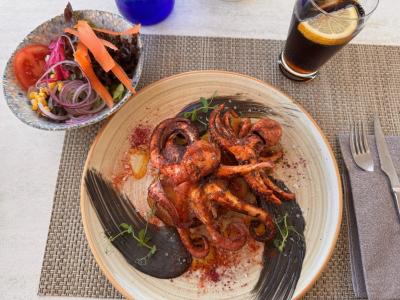
Cala Figuera
More Fotos