What are the best bus routes to explore the coastal towns and beaches of Mallorca?
Similar Topics
tib bus network
mallorca coastal buses
formentor bus route
cala mondrago
es trenc beach
pollenca bus stops
soller railway
mallorca beaches
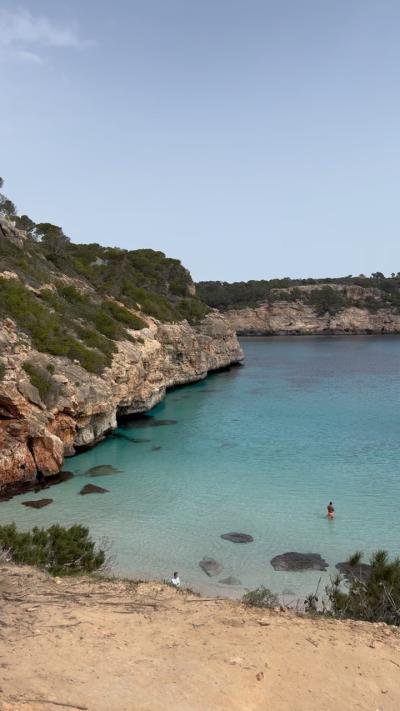
Winding along the island’s rugged shoreline, coastal bus routes provide a relaxed way to uncover hidden coves and charming fishing villages. The TIB network connects Palma with classic beach spots like Cala Llombards and Cala Mondrago, stopping at inviting sands and turquoise waters along the southeast coast. On board, you'll glimpse the Serra de Tramuntana cliffs meeting the sea, especially if you take routes heading toward Formentor on the north coast, where pine forests frame some of the island's most iconic lookout points.
The route along the Ma-13 road links Palma to the town of Pollenca and the famed Formentor peninsula, with buses passing quaint villages and offering easy access to Port de Pollenca’s promenade and beautiful bays. Smaller lines also run to quieter, less touristy beaches like Es Trenc, famous for its white sands and natural setting. This extensive bus service means you can explore without renting a car, hopping off to discover local eateries serving traditional pa amb oli or sample a glass of Binissalem wine nearby.
In addition to the buses, the historic Soller railway is a scenic alternative if you want to combine a mountain and sea experience. It runs between Palma and Soller, allowing you to explore the northerly coast’s tranquil coves, before catching a connecting bus to coastal villages like Deia. Whether you follow a coastal road by bus or take the train through the Tramuntana foothills, public transport proves an excellent way to travel far beyond the main resort areas and enjoy the landscape's ever-changing panorama.
The route along the Ma-13 road links Palma to the town of Pollenca and the famed Formentor peninsula, with buses passing quaint villages and offering easy access to Port de Pollenca’s promenade and beautiful bays. Smaller lines also run to quieter, less touristy beaches like Es Trenc, famous for its white sands and natural setting. This extensive bus service means you can explore without renting a car, hopping off to discover local eateries serving traditional pa amb oli or sample a glass of Binissalem wine nearby.
In addition to the buses, the historic Soller railway is a scenic alternative if you want to combine a mountain and sea experience. It runs between Palma and Soller, allowing you to explore the northerly coast’s tranquil coves, before catching a connecting bus to coastal villages like Deia. Whether you follow a coastal road by bus or take the train through the Tramuntana foothills, public transport proves an excellent way to travel far beyond the main resort areas and enjoy the landscape's ever-changing panorama.

Cala Figuera
More Fotos