How have airports and roads shaped tourism growth on Mallorca?
Similar Topics
palma airport
ma-13 road
serra de tramuntana
tib bus network
soller railway
pollenca tourism
mallorca beaches
local gastronomy
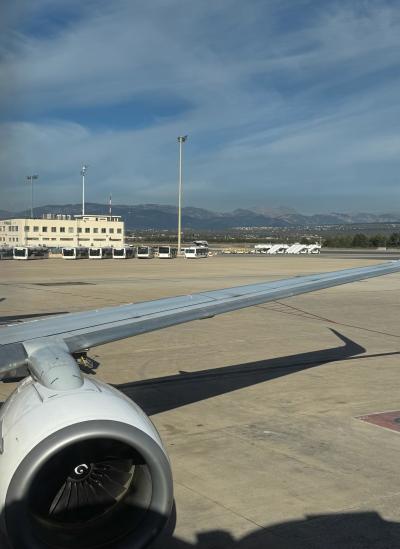
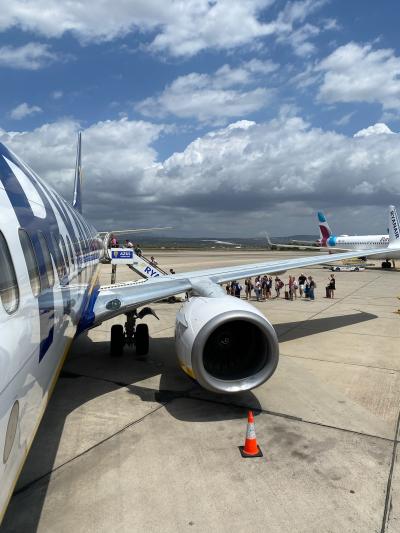
Noticing the frequent flicker of planes descending over the Bay of Palma hints at more than just routine flights—it's a sign of how modern connectivity has broadened the island’s appeal. The improvement of Palma de Mallorca Airport has been pivotal, turning what was once a distant Mediterranean outpost into a year-round destination easily reached from across Europe. Frequent flights and an expanding schedule bring millions of visitors who might have found reaching the island prohibitively difficult just a few decades ago.
On the island itself, the network of roads like the Ma-13 and Ma-19 has opened up the diverse landscapes and hidden corners of Mallorca. Cruising through the Serra de Tramuntana on these well-maintained roads invites travellers to experience stunning mountain villages such as Valldemossa or Sóller, and to detour easily to beaches like Cala Mondragó or Formentor. Better roads mean excursions beyond Palma’s bustling centre, encouraging stays in quieter spots like Deia or Pollenca, where traditional Mallorcan life and local gastronomy can be savoured.
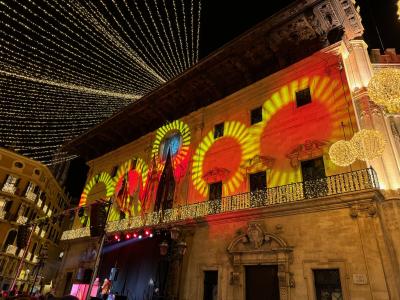
Public transport improvements, including the TIB bus network and the nostalgic Sóller railway, complement the road infrastructure, making it possible to explore without a car. This integrated accessibility has spurred the growth of tourism across the island’s varied regions, helping smaller towns and rural areas thrive alongside Palma. Consequently, the development of infrastructure has not only boosted visitor numbers but also elevated the experience, balancing bustling festival scenes like Sant Sebastià in Palma with tranquil countryside retreats. All of this infrastructure forms the backbone of Mallorca’s vibrant tourism economy, enhancing comfort and mobility while revealing the island’s many charms.

sa Casa Blanca
More Fotos



Related Questions
Related Question
What distinctive architectural styles are typical in towns like Soller and Valldemossa?
Related Question
Are there any lesser-known beach clubs or secluded spots worth visiting around the island?
Related Question
What unique local products can I find in the shops around Cala Figuera?