What unique wildlife or plants can I spot on Mallorca during my visit?
Similar Topics
balearic midwife toad
mallorcan wall lizard
serra de tramuntana
eleonora’s falcon
es trenc wildlife
alcudia birds
mallorca flora
gr221 hike
Some of the island’s most delightful surprises hide in plain sight, like the slender Mediterranean fan palms lining the narrow streets of Valldemossa or the tiny, vibrant Balearic midwife toad found near the streams of the Serra de Tramuntana. This amphibian, one of Europe’s rarest, thrives in these rugged mountains, a subtle reminder of the island’s distinct natural heritage. Keep an eye out for the endemic Mallorcan wall lizard basking on sun-warmed rocks in places like Cap de Formentor or the pine forests surrounding Soller.
Birdwatchers will appreciate the diverse avian life along the northeast coast near Alcudia and Pollenca, where rare species such as Eleonora’s falcon and Audouin’s gull nest during the summer months. The salt flats near Es Trenc and the wetlands around the Albufera Natural Park host an impressive variety of migratory and resident waterbirds, including flamingos and herons. Meanwhile, the prickly Juniper shrubs and aromatic rosemary and thyme that perfume the countryside are typical of the island’s Mediterranean maquis vegetation.
Exploring beyond the beaches and towns, the island’s flora and fauna reflect millennia of evolution in relative isolation. To truly appreciate these species, consider a guided hike along the GR221 trail through the Tramuntana mountains or a boat trip to the coves of Cala Mondrago, where you can glimpse marine life amidst crystal-clear waters. Such encounters with Mallorca’s endemic wildlife and plant life enrich any visit, offering a quietly enchanting side to the island’s well-known cultural and scenic attractions.
Birdwatchers will appreciate the diverse avian life along the northeast coast near Alcudia and Pollenca, where rare species such as Eleonora’s falcon and Audouin’s gull nest during the summer months. The salt flats near Es Trenc and the wetlands around the Albufera Natural Park host an impressive variety of migratory and resident waterbirds, including flamingos and herons. Meanwhile, the prickly Juniper shrubs and aromatic rosemary and thyme that perfume the countryside are typical of the island’s Mediterranean maquis vegetation.
Exploring beyond the beaches and towns, the island’s flora and fauna reflect millennia of evolution in relative isolation. To truly appreciate these species, consider a guided hike along the GR221 trail through the Tramuntana mountains or a boat trip to the coves of Cala Mondrago, where you can glimpse marine life amidst crystal-clear waters. Such encounters with Mallorca’s endemic wildlife and plant life enrich any visit, offering a quietly enchanting side to the island’s well-known cultural and scenic attractions.
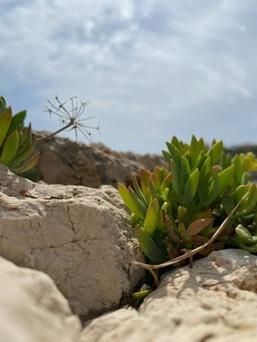
Cala Santanyí
More Fotos
Related Questions
Related Question
Is there a restaurant at the end of the hiking trail at Costa de Canyamel?
Related Question
What special features can guests enjoy at Hostal Rurál Ca’n Busquets near Fornalutx?
Related Question
Where can I find a quiet, family-friendly beach for a relaxing day with kids on the island?