What safety precautions should I take when swimming along Mallorca's beaches and coves?
Similar Topics
mallorca swimming safety
cala mondrago swim
es trenc beach
formentor currents
tramuntana swimming
mallorca lifeguards
tib bus beaches
mallorca sun protection
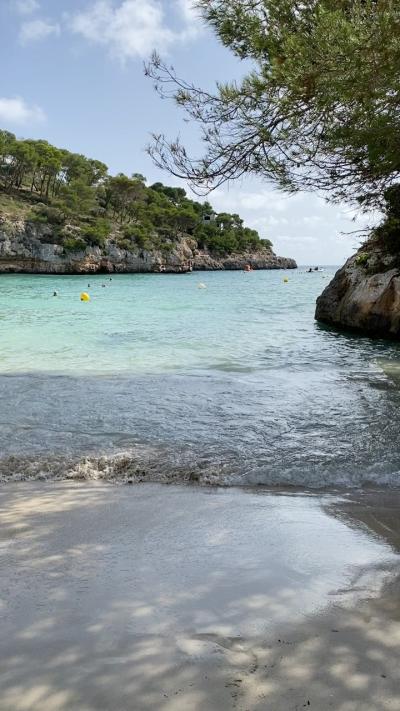
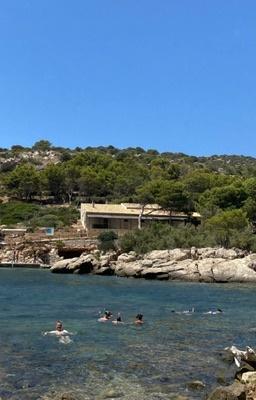
Deciding whether to swim along the sheltered coves of Cala Mondragó or the expansive open waters of Es Trenc means understanding different safety considerations unique to each. The calm, shallow bays around the southeast coast are generally safer for less experienced swimmers, with gentle waves and clear visibility. In contrast, beaches like Formentor or areas near Cap de Formentor can have stronger currents and deeper waters, where swimmers should exercise greater caution.
Always check local weather forecasts and sea conditions before heading out, as winds often pick up unexpectedly, especially along the northern coast near Pollença. Pay attention to any posted warnings or flags on popular beaches, and stick to designated swimming areas where lifeguards are present during the high season. The Tramuntana’s rugged coastline can hide submerged rocks, so inspecting the water before diving in is wise.
If relying on public transport like the TIB buses or hiking along routes that lead to more secluded coves, plan to swim with a companion and let someone know your whereabouts. Wearing water shoes can protect your feet against rocky seabeds or sea urchins near the shore. Don’t underestimate Mallorca’s sun—apply and reapply sunscreen generously, and keep hydrated after spending time in the saltwater.
Ultimately, familiarizing yourself with local swimming spots—from the gentle shallows at Cala Llombards to more challenging waters off Cala Figuera—will help you enjoy a safe, rewarding experience in the island’s pristine Mediterranean.
Always check local weather forecasts and sea conditions before heading out, as winds often pick up unexpectedly, especially along the northern coast near Pollença. Pay attention to any posted warnings or flags on popular beaches, and stick to designated swimming areas where lifeguards are present during the high season. The Tramuntana’s rugged coastline can hide submerged rocks, so inspecting the water before diving in is wise.
If relying on public transport like the TIB buses or hiking along routes that lead to more secluded coves, plan to swim with a companion and let someone know your whereabouts. Wearing water shoes can protect your feet against rocky seabeds or sea urchins near the shore. Don’t underestimate Mallorca’s sun—apply and reapply sunscreen generously, and keep hydrated after spending time in the saltwater.
Ultimately, familiarizing yourself with local swimming spots—from the gentle shallows at Cala Llombards to more challenging waters off Cala Figuera—will help you enjoy a safe, rewarding experience in the island’s pristine Mediterranean.

Platja de Muro
More Fotos