What are the must-see historical landmarks and sites on the island?
Similar Topics
catedral de mallorca
almudaina palace
valldemossa monastery
pollença ruins
serra de tramuntana
alcúdia old town
soller cemetery
historic mallorca
Many visitors arrive expecting Mallorca to be just about beaches and sunshine, but its layers of history are equally compelling. The old town of Palma is a great starting point, where the majestic Catedral de Mallorca rises above narrow cobblestone streets lined with Gothic and Renaissance buildings. Taking a stroll here, you find the Almudaina Palace, a Moorish fortress turned royal residence, offering insight into the island's medieval past. A few steps away, the old city walls invite exploration, and local museums like Es Baluard present archaeological finds alongside modern art.
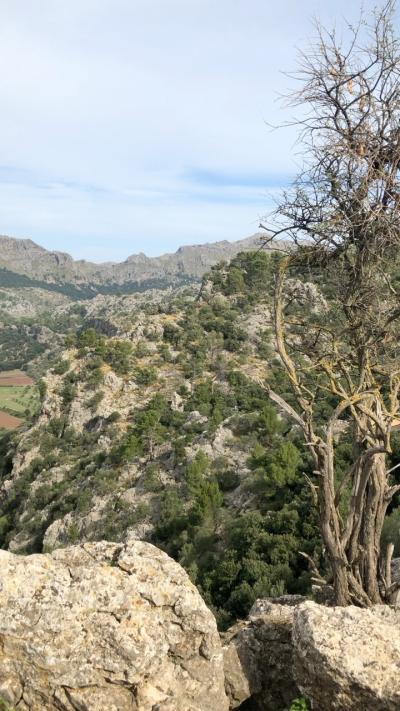
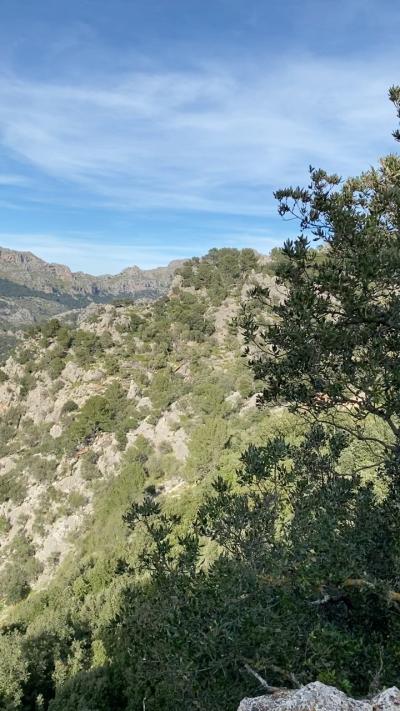
Further afield, the village of Valldemossa holds cultural significance beyond its scenic beauty. Its famous Carthusian monastery drew Chopin in the 19th century, and wandering the cloisters and writer’s cell transports you to a quieter era. In the north, the ancient ruins at Pollença's Roman bridge and the hilltop fortified village of Alcúdia reveal threads of Mallorca's pre-modern settlements. The Serra de Tramuntana also shelters historic fincas and terraces that trace agricultural traditions centuries old.
Even smaller sites, like the monastery in Lluc nestled within the Tramuntana mountains, serve as spiritual and historical landmarks. For a different take, cemeteries in towns such as Soller and Manacor display traditional Mallorcan carvings and epitaphs, connecting visitors with island heritage in a personal way. Each location is a reminder that behind Mallorca’s natural beauty is a richly woven human story that continues to resonate today.
Further afield, the village of Valldemossa holds cultural significance beyond its scenic beauty. Its famous Carthusian monastery drew Chopin in the 19th century, and wandering the cloisters and writer’s cell transports you to a quieter era. In the north, the ancient ruins at Pollença's Roman bridge and the hilltop fortified village of Alcúdia reveal threads of Mallorca's pre-modern settlements. The Serra de Tramuntana also shelters historic fincas and terraces that trace agricultural traditions centuries old.
Even smaller sites, like the monastery in Lluc nestled within the Tramuntana mountains, serve as spiritual and historical landmarks. For a different take, cemeteries in towns such as Soller and Manacor display traditional Mallorcan carvings and epitaphs, connecting visitors with island heritage in a personal way. Each location is a reminder that behind Mallorca’s natural beauty is a richly woven human story that continues to resonate today.
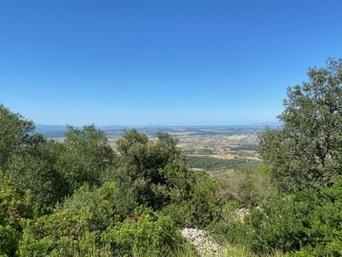
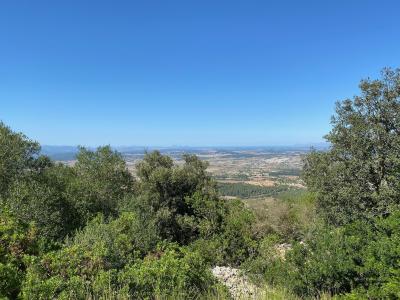
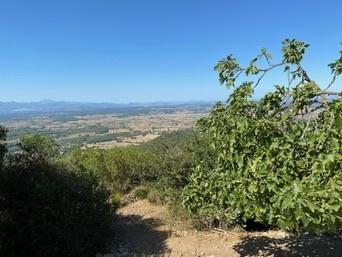
Randa
More Fotos


Related Questions
Related Question
What traditional seafood dishes are popular to enjoy after a day at the beach on the island?
Related Question
How do local conservation efforts impact songbird habitats in Mallorca?
Related Question
Is it better to book hotels in Palma or elsewhere on the island directly for more personalized service?