What is the history of Lluc Monastery, and how does it influence the area?
Similar Topics
Lluc Monastery
Mallorca history
spiritual center Mallorca
Serra de Tramuntana
UNESCO World Heritage
Mallorca culture
pilgrimage destination
religious art Mallorca
nature hikes Mallorca
cultural events Mallorca
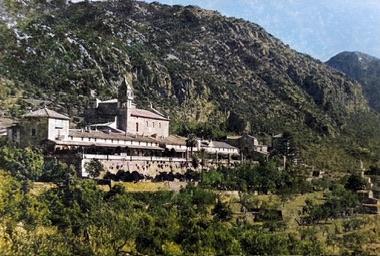
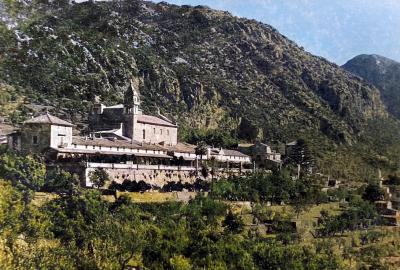
Lluc Monastery, or Monestir de Lluc, is a significant cultural and spiritual site located in the heart of Mallorca, Spain. Founded in the 13th century, the monastery has its roots in the Christian Reconquista, a time when the island was being reclaimed from Muslim rule. Legend has it that the monastery was established after a local shepherd discovered a statue of the Virgin Mary in a nearby cave. This statue, known as La Moreneta due to its dark complexion, has since become a symbol of faith for many and draws pilgrims and visitors from all over the world. Throughout the centuries, Lluc has evolved from a simple hermitage into a prominent pilgrimage destination, often referred to as the spiritual center of Mallorca.
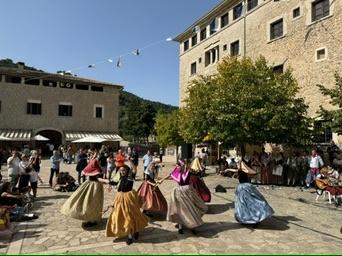
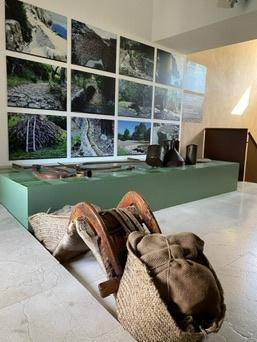
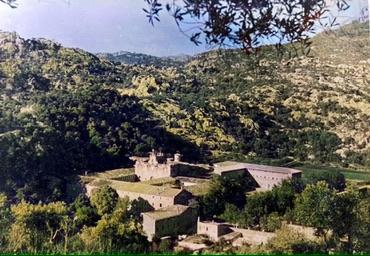
The influence of Lluc Monastery extends far beyond its religious significance. The surrounding area is rich in natural beauty, with the stunning Serra de Tramuntana mountain range providing a breathtaking backdrop. This UNESCO World Heritage site attracts hikers and nature lovers who come to explore its rugged trails and picturesque landscapes. The monastery also plays a vital role in preserving Mallorcan culture and traditions; it hosts various cultural events, concerts, and festivals that celebrate local music and heritage. Additionally, the monastery’s museum showcases a collection of religious art and artifacts, highlighting the region's historical narrative.
Today, Lluc Monastery continues to be a place of solace and reflection, where visitors can experience a sense of tranquility amidst the hustle and bustle of modern life. Its serene environment encourages a deep connection to nature and spirituality, making it a cherished destination for both locals and tourists. The monastery’s enduring legacy and its commitment to community engagement foster a spirit of unity and reverence, ensuring that Lluc remains a vital part of Mallorca's cultural landscape for generations to come.
The influence of Lluc Monastery extends far beyond its religious significance. The surrounding area is rich in natural beauty, with the stunning Serra de Tramuntana mountain range providing a breathtaking backdrop. This UNESCO World Heritage site attracts hikers and nature lovers who come to explore its rugged trails and picturesque landscapes. The monastery also plays a vital role in preserving Mallorcan culture and traditions; it hosts various cultural events, concerts, and festivals that celebrate local music and heritage. Additionally, the monastery’s museum showcases a collection of religious art and artifacts, highlighting the region's historical narrative.
Today, Lluc Monastery continues to be a place of solace and reflection, where visitors can experience a sense of tranquility amidst the hustle and bustle of modern life. Its serene environment encourages a deep connection to nature and spirituality, making it a cherished destination for both locals and tourists. The monastery’s enduring legacy and its commitment to community engagement foster a spirit of unity and reverence, ensuring that Lluc remains a vital part of Mallorca's cultural landscape for generations to come.
More Fotos