What local customs and etiquette should I know when visiting towns and villages on the island?
Similar Topics
local customs
catalan greetings
dining etiquette
pa amb oli
binissalem wine
serra de tramuntana
sant sebastià
mallorca etiquette
A simple greeting in Catalan, such as “Bon dia” or “Bona tarda,” goes a long way in Palma or when wandering through villages like Valldemossa or Deià. Locals appreciate visitors who show respect for language and tradition, especially in smaller towns where community ties run deep. When meeting someone for the first time, a single light handshake or a friendly nod is typical, but among friends, a gentle cheek kiss is common, particularly during festivals like Sant Sebastià.
In dining settings, patience and politeness matter. If invited to enjoy pa amb oli and sobrassada in a local home, wait for the host to invite you to start and try not to rush your meal. Finishing everything on your plate is seen as a compliment to the cook, though leaving a small amount can indicate you’re comfortably full. Bringing a small gift, such as a bottle of local Binissalem wine or a box of ensaimadas from Palma, is a thoughtful way to honor a host.
Dress modestly when visiting religious sites such as the monastery in Lluc or the ornate churches of Pollensa. Around beaches like Cala Mondragó or Es Trenc, casual swimwear is standard, but it’s respectful to cover up when departing these natural spots or walking through town. Public displays of affection are generally discreet, and personal space is valued. Observing the flow of local interactions, whether on the Ma-10 winding through the Serra de Tramuntana or at a bustling café in Soller, can guide your behavior to blend in respectfully and enhance your experience of the island’s unique character.
In dining settings, patience and politeness matter. If invited to enjoy pa amb oli and sobrassada in a local home, wait for the host to invite you to start and try not to rush your meal. Finishing everything on your plate is seen as a compliment to the cook, though leaving a small amount can indicate you’re comfortably full. Bringing a small gift, such as a bottle of local Binissalem wine or a box of ensaimadas from Palma, is a thoughtful way to honor a host.
Dress modestly when visiting religious sites such as the monastery in Lluc or the ornate churches of Pollensa. Around beaches like Cala Mondragó or Es Trenc, casual swimwear is standard, but it’s respectful to cover up when departing these natural spots or walking through town. Public displays of affection are generally discreet, and personal space is valued. Observing the flow of local interactions, whether on the Ma-10 winding through the Serra de Tramuntana or at a bustling café in Soller, can guide your behavior to blend in respectfully and enhance your experience of the island’s unique character.
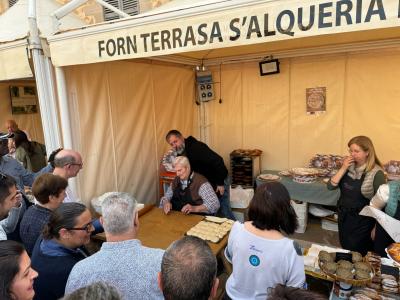
Santanyí
More Fotos



Related Questions
Related Question
When is the best time to take the Palma to Soller train to avoid crowds?
Related Question
Where can I find a great spot to enjoy sunset drinks with beautiful views on Mallorca?
Related Question
Which towns and neighborhoods on Mallorca are best for finding authentic local cuisine off the tourist path?