What is the history behind the orange cultivation in Sóller?
Similar Topics
Sóller oranges
orange cultivation history
Mallorca agriculture
citrus fruits Mallorca
Sóller tourism
sustainable farming Sóller
Mallorca railways
orange festivals
Sóller orchards
Mallorca travel
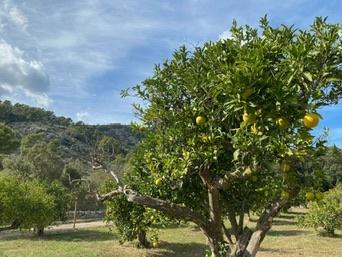
The history of orange cultivation in Sóller, a picturesque town located in the northwest of Mallorca, is woven into the very fabric of its identity. In the mid-19th century, the introduction of the first orange trees transformed the agricultural landscape of the region. Initially, farmers grew a variety of crops, but the unique microclimate of Sóller, characterized by its rich soil, adequate rainfall, and sunny days, made it an ideal location for citrus fruits. The fertile valley was soon dotted with orchards, and the sweet, juicy oranges became a significant economic driver for the local community.
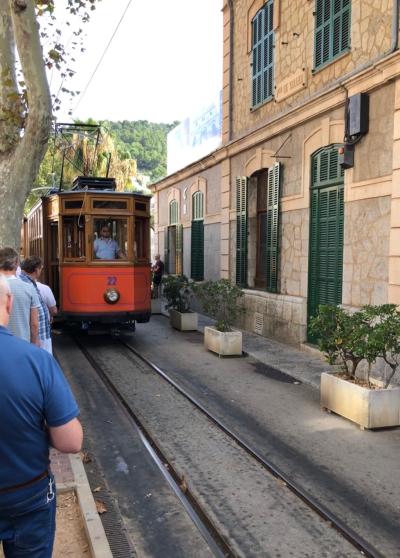
As the cultivation of oranges flourished, so did the town's connections to the outside world. By the late 19th century, it became common for Sóller's oranges to be exported to France and beyond, thanks to the establishment of a railway that linked the town to Palma. This development not only facilitated trade but also brought an influx of wealth to Sóller, enabling the construction of beautiful stone mansions and public buildings. The orange industry not only boosted the economy but also shaped the social fabric of the town, as families relied on the orchards for their livelihoods.
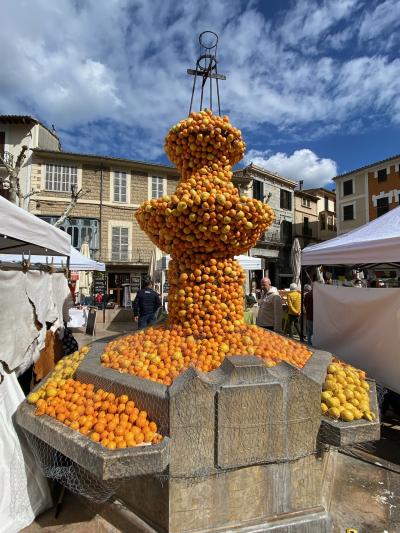
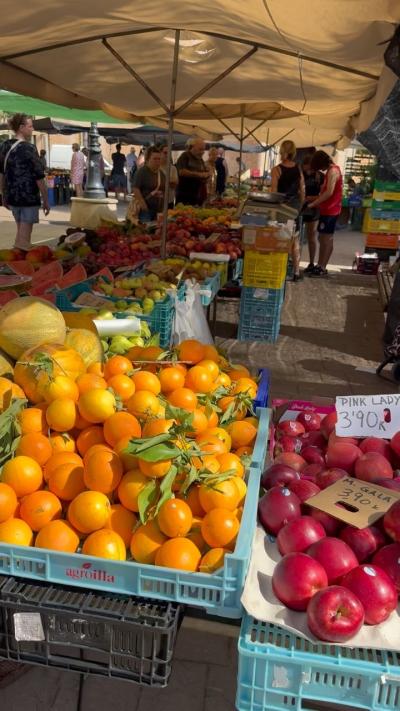
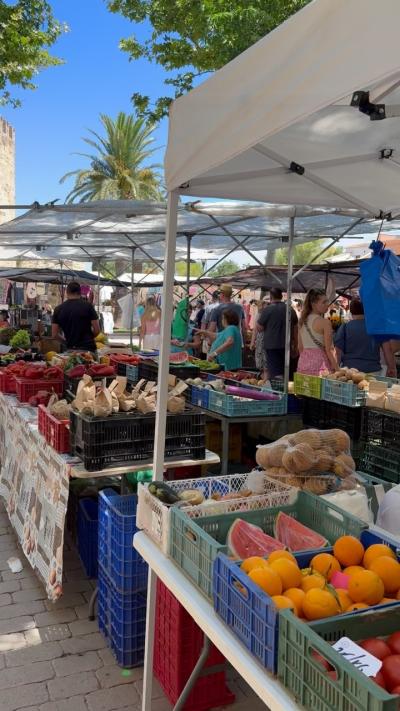
Today, while the orange groves still embellish the landscape, the cultivation of oranges in Sóller has evolved. Many farmers now practice sustainable methods, ensuring the preservation of the environment while continuing the legacy of their ancestors. The town celebrates its citrus heritage through various festivals, where visitors can indulge in the flavors of local products, from freshly squeezed orange juice to delicious marmalades. Exploring the vibrant orchards and tasting the fruits of this historical labor offers travelers a unique glimpse into the enduring relationship between Sóller's people and their land.
As the cultivation of oranges flourished, so did the town's connections to the outside world. By the late 19th century, it became common for Sóller's oranges to be exported to France and beyond, thanks to the establishment of a railway that linked the town to Palma. This development not only facilitated trade but also brought an influx of wealth to Sóller, enabling the construction of beautiful stone mansions and public buildings. The orange industry not only boosted the economy but also shaped the social fabric of the town, as families relied on the orchards for their livelihoods.
Today, while the orange groves still embellish the landscape, the cultivation of oranges in Sóller has evolved. Many farmers now practice sustainable methods, ensuring the preservation of the environment while continuing the legacy of their ancestors. The town celebrates its citrus heritage through various festivals, where visitors can indulge in the flavors of local products, from freshly squeezed orange juice to delicious marmalades. Exploring the vibrant orchards and tasting the fruits of this historical labor offers travelers a unique glimpse into the enduring relationship between Sóller's people and their land.
Sóller
More Fotos