How do the traditional villages in the Tramuntana integrate with the natural environment?
Similar Topics
Tramuntana villages
Mallorca culture
natural environment integration
traditional villages
outdoor activities Mallorca
local cuisine Mallorca
hiking trails Tramuntana
agriculture in Mallorca
scenic views Mallorca
cultural heritage Tramuntana
The traditional villages in the Tramuntana mountain range of Mallorca embody a harmonious relationship with their natural environment. Nestled among the rugged terrain, these quaint settlements are often constructed from local stone, which not only blends seamlessly with the surrounding landscape but also reflects the rich cultural heritage of the area. The earthy tones of the buildings complement the dramatic cliffs and lush valleys, creating a picturesque scene that feels both timeless and inviting. Each village showcases narrow, winding streets that mirror the contours of the mountains, encouraging visitors to explore at a leisurely pace while soaking in the breathtaking views.
Agriculture plays a significant role in how these villages integrate with nature. Terraced fields are a common sight, where locals cultivate olives, almonds, and various fruits, making use of the fertile soil and the unique microclimates created by the mountains. These agricultural practices are deeply rooted in tradition and sustain not only the villagers’ livelihoods but also the region’s biodiversity. As you wander through these villages, you’ll often notice how the local cuisine incorporates fresh, seasonal produce, allowing visitors to taste the essence of the Tramuntana in every meal.
Additionally, the surrounding natural environment offers a wealth of outdoor activities that further connect the villages to the landscape. Hiking trails wind through the mountains, linking the villages to one another and inviting exploration of the stunning scenery. As you trek these paths, you might encounter ancient olive groves, cascading waterfalls, and panoramic viewpoints that showcase the majestic beauty of the Tramuntana. The villagers take pride in preserving their unique surroundings, fostering a sense of stewardship for the land that has sustained them for generations. This dedication not only enhances the visitor experience but also ensures that the cultural and natural heritage of the Tramuntana remains vibrant for years to come.
Agriculture plays a significant role in how these villages integrate with nature. Terraced fields are a common sight, where locals cultivate olives, almonds, and various fruits, making use of the fertile soil and the unique microclimates created by the mountains. These agricultural practices are deeply rooted in tradition and sustain not only the villagers’ livelihoods but also the region’s biodiversity. As you wander through these villages, you’ll often notice how the local cuisine incorporates fresh, seasonal produce, allowing visitors to taste the essence of the Tramuntana in every meal.
Additionally, the surrounding natural environment offers a wealth of outdoor activities that further connect the villages to the landscape. Hiking trails wind through the mountains, linking the villages to one another and inviting exploration of the stunning scenery. As you trek these paths, you might encounter ancient olive groves, cascading waterfalls, and panoramic viewpoints that showcase the majestic beauty of the Tramuntana. The villagers take pride in preserving their unique surroundings, fostering a sense of stewardship for the land that has sustained them for generations. This dedication not only enhances the visitor experience but also ensures that the cultural and natural heritage of the Tramuntana remains vibrant for years to come.
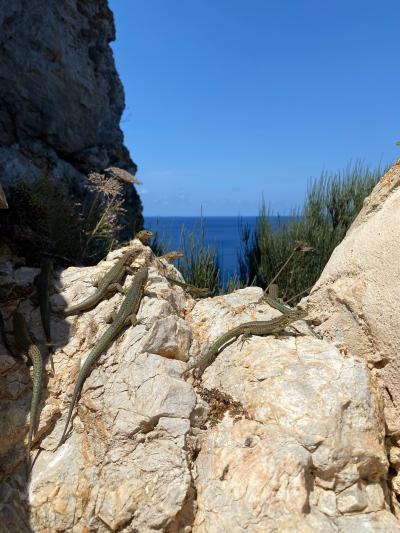
Sant Elm
More Fotos



Related Questions
Related Question
Are there any traditional festivals or special events taking place in Alcúdia while I’m visiting?
Related Question
What is the cultural significance of the footpath leading to Sa Foradada?
Related Question
What special services or unique experiences can I expect when staying in a luxury villa on the island?